Africa loses $1.6bn daily to illegal cross-border financial flows – AfDB

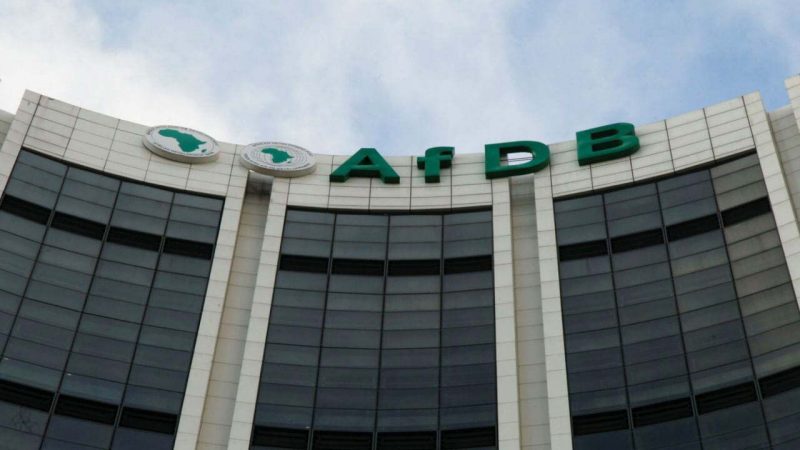
Africa continues to grapple with significant financial challenges, and a recent report from the African Development Bank (AfDB) sheds light on one of the most pressing issues: illegal cross-border financial flows. According to the AfDB, the continent loses approximately $1.6 billion daily due to illicit financial activities, a staggering sum that hampers economic growth, development, and poverty reduction efforts across the region.
The Scale of the Problem
The $1.6 billion lost daily to illegal cross-border financial flows is a monumental figure that underscores the vast scale of financial crime in Africa. These illegal flows refer to money that is transferred out of the continent through illicit means, such as tax evasion, corruption, money laundering, and trade mispricing. While this issue is not unique to Africa, the continent is particularly vulnerable due to weak governance structures, inadequate regulatory frameworks, and insufficient enforcement mechanisms.
Over the past few decades, illegal financial flows have become a major obstacle to economic development in many African countries. These funds, which are often hidden in offshore tax havens, deprive governments of much-needed revenue that could otherwise be used to fund critical infrastructure, healthcare, education, and social services. The loss of such large sums of money also undermines efforts to achieve sustainable development goals (SDGs) and exacerbates inequality, as the wealthy and powerful continue to exploit loopholes, leaving the majority of citizens without access to essential services.
Key Drivers of Illegal Cross-Border Financial Flows
There are several key drivers behind the large volume of illegal financial flows from Africa. One of the most significant is corruption, which continues to plague both public and private sectors across the continent. High-ranking officials, business leaders, and multinational corporations often engage in corrupt practices, siphoning off public funds for personal gain and channeling them abroad to evade scrutiny. The lack of transparency in many African governments allows such practices to thrive, as the public and regulatory bodies have limited access to information regarding financial transactions.
Another major driver is trade mispricing, which occurs when goods are deliberately underpriced or overpriced during international transactions. This practice allows companies and individuals to shift profits across borders, often to jurisdictions with lax tax laws or secrecy regulations. Trade mispricing is particularly prevalent in sectors such as oil, minerals, and commodities, where the volume of international trade and the value of transactions make it easier to manipulate prices and evade taxes.
Money laundering is also a significant factor in illegal financial flows. Criminal organizations and individuals involved in illicit activities often use complex financial networks and shell companies to move money across borders, making it difficult for authorities to trace the origin of the funds. Money laundering facilitates a range of criminal activities, including drug trafficking, human trafficking, and terrorism financing, further compounding the security challenges faced by many African countries.
Impact on Africa’s Development
The loss of $1.6 billion daily has profound consequences for Africa’s development prospects. The funds that could have been used to invest in infrastructure, education, healthcare, and job creation are instead being siphoned off, often to foreign countries. This exacerbates poverty and hinders efforts to reduce inequality, as the benefits of economic growth remain concentrated in the hands of a few individuals and companies.
Moreover, the loss of revenue from illegal financial flows reduces the capacity of African governments to address pressing challenges such as inadequate healthcare systems, poor infrastructure, and environmental degradation. With limited financial resources, governments struggle to provide basic services to their citizens, resulting in a lower quality of life for millions of people.
The illicit outflow of funds also hampers efforts to diversify African economies, which are often heavily reliant on commodities and external investment. By depriving governments of vital resources, illegal financial flows prevent African countries from investing in sectors such as technology, agriculture, and renewable energy, which could help to drive sustainable growth and reduce dependence on foreign aid and imports.
Tackling the Issue: Efforts and Challenges
To address the issue of illegal financial flows, African governments, international organizations, and financial institutions must work together to strengthen regulatory frameworks and improve enforcement mechanisms. The African Union (AU) and the United Nations Economic Commission for Africa (UNECA) have launched various initiatives to combat illicit financial flows, including the African Tax Administration Forum (ATAF), which aims to improve tax collection and enhance cooperation between African tax authorities. The AfDB has also called for greater efforts to track and curb illicit flows, emphasizing the importance of increasing transparency and improving financial governance.
However, despite these efforts, tackling illegal financial flows remains a complex and ongoing challenge. Weak institutions, lack of political will, and inadequate legal frameworks continue to undermine progress. Moreover, the global nature of financial crime makes it difficult for any single country or organization to combat it effectively. Illicit financial flows often involve multiple jurisdictions and require international cooperation to trace and recover lost funds.
There is also a need to address the root causes of illegal financial flows, such as corruption and weak governance. Strengthening institutions, improving accountability, and fostering greater transparency in both the public and private sectors are essential steps in reducing the incentives for illicit financial activities. Moreover, enhancing financial literacy and public awareness can help to build a more informed and engaged citizenry that demands better governance and holds leaders accountable.
The Role of the Private Sector and International Partners
The private sector also plays a critical role in combating illegal financial flows. Companies operating in Africa must adhere to high standards of corporate governance, transparency, and ethical conduct. By ensuring that they comply with local tax laws and international anti-money laundering regulations, businesses can help to reduce the opportunities for illicit financial activities.
Furthermore, international partners, including multinational corporations, financial institutions, and foreign governments, have a responsibility to support Africa’s efforts to tackle illegal financial flows. This includes sharing information, providing technical assistance, and strengthening the capacity of African governments to track and trace illicit financial transactions. Additionally, international financial hubs that facilitate money laundering and tax evasion should be held accountable for their role in enabling illegal financial flows.
The loss of $1.6 billion daily to illegal cross-border financial flows represents a significant challenge to Africa’s development. These illicit activities deprive governments of vital resources that could be used to improve infrastructure, healthcare, and education, and they exacerbate poverty and inequality across the continent. While efforts are underway to combat illegal financial flows, much more needs to be done to strengthen institutions, improve transparency, and foster international cooperation. By addressing the root causes of illicit financial activities and holding all actors accountable, Africa can begin to stem the tide of illegal financial flows and unlock its full potential for growth and development.





Responses