FIRS urges strict compliance on tax deductions

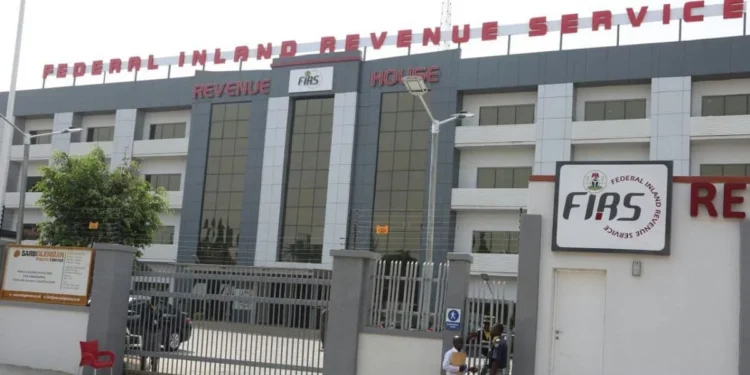
The Federal Inland Revenue Service has reminded financial institutions, agencies, and businesses of their obligation to comply with tax deduction rules, particularly on interest earned from short-term securities. This reminder is not just another routine statement but a clear warning that penalties will follow for those who fail to follow the rules. The new directive is aimed at ensuring that the withholding tax regulations are applied consistently and correctly across the financial system.
The notice, which was signed by the FIRS Executive Chairman, Zacch Adedeji, was addressed to banks, stockbrokers, corporate bond issuers, discount houses, government agencies, and even tax practitioners. It makes clear that the era of lax compliance with tax rules is over, as the service intends to close loopholes and improve the country’s tax administration system.
According to the directive, all interest payments on short-term investments must be taxed at the point of payment. This means that once the payment is made, the tax must immediately be deducted and sent to the appropriate authority. The law guiding this process is outlined in Sections 78 and 81 of the Companies Income Tax Act as amended, alongside the 2024 Withholding Tax Regulations. The rules are not new, but the FIRS is now enforcing them more firmly.
The circular from the service also stated that the deducted tax must be remitted no later than the 21st day of the month following the payment. For example, if the interest was paid in September, the tax must be remitted by the 21st of October. Failure to do so would attract penalties and interest charges. This clear deadline is meant to remove any ambiguity and ensure smooth monitoring of tax compliance.
The FIRS also clarified what happens to taxpayers after deductions are made. Anyone whose tax has been withheld is entitled to a tax credit equal to the amount deducted, except in cases where the tax is final. This provision is important because it gives taxpayers confidence that their money is not lost but accounted for properly. Transparency and accountability are at the heart of this move, ensuring that the government gets its due while protecting the rights of citizens and businesses.
Interestingly, the directive makes a key exception for interest earned on federal government bonds. These investments remain exempt from withholding tax in line with policies that encourage investment in sovereign debt instruments. By keeping government bonds free from such deductions, the authorities hope to maintain their attractiveness and boost confidence in the financial markets.
The securities covered by this directive include treasury bills, corporate bonds, promissory notes, financial papers, and bills of exchange, among others. These instruments are common in Nigeria’s financial sector, especially among institutional investors and corporations looking for liquidity and short-term financing options. By enforcing strict compliance in this area, the FIRS is essentially targeting a key part of the financial system where significant funds are traded.
Beyond the technical details, this directive signals a broader strategy by the FIRS to strengthen government revenue and improve compliance. Nigeria has been struggling with low revenue collection relative to the size of its economy, and tax compliance remains one of the weakest points in the system. By making it clear that tax must be deducted at source and remitted on time, the service hopes to reduce revenue leakages and ensure that everyone pays their fair share.
This move comes shortly after Nigeria’s government took a major step in reforming the entire tax system. Just a week before this circular, four major tax reform laws were published in the government gazette, signaling the beginning of a new fiscal era. Signed into law on June 26, 2025, these legislations include the Nigeria Tax Act, the Nigeria Tax Administration Act, the Nigeria Revenue Service Establishment Act, and the Joint Revenue Board Establishment Act. Together, they are expected to reshape how taxation, administration, and revenue collection are handled in Africa’s largest economy.
The timing of the FIRS directive is not coincidental. It aligns perfectly with these reforms and demonstrates the government’s commitment to translating new laws into actual practices that boost revenue. By insisting that banks, financial institutions, and agencies follow withholding tax rules without exception, the FIRS is sending a clear message that Nigeria is ready to enforce discipline in its fiscal system.
For ordinary Nigerians, this may seem like a matter that only concerns banks and big corporations, but the truth is that improved tax compliance has far-reaching effects. When the government collects more revenue efficiently, it has a better chance of funding infrastructure, education, healthcare, and other essential services. It also reduces the pressure to borrow excessively or rely on oil revenues, which are often unpredictable.
At the same time, businesses and investors may have mixed feelings about this stricter enforcement. On one hand, it brings clarity and transparency to the system, ensuring that everyone knows the rules and follows them. On the other hand, it may increase the administrative burden on financial institutions that must ensure accurate deductions and timely remittances. However, this is a small price to pay compared to the penalties and reputational damage that may follow non-compliance.
The FIRS has also been working on technological solutions to make compliance easier. Recent developments such as e-invoicing and the requirement for Nigerian payment gateways to report transactions for monitoring purposes are all part of this larger picture. The service is leveraging digital tools to track transactions more effectively, close loopholes, and ensure that taxes are collected fairly and promptly.
Ultimately, the directive is a reminder that Nigeria is moving toward a more disciplined and structured tax environment. For years, poor compliance and weak enforcement have cost the country billions in lost revenue. Now, with new reforms in place and stronger leadership at the FIRS, the government seems determined to change that narrative.
Whether this will translate into better services for citizens and stronger economic growth remains to be seen, but one thing is clear: compliance is no longer optional. Banks, agencies, and businesses must adapt to the new reality or face the consequences.




Responses