Kerley joins Enhanced Games, sparks global debate

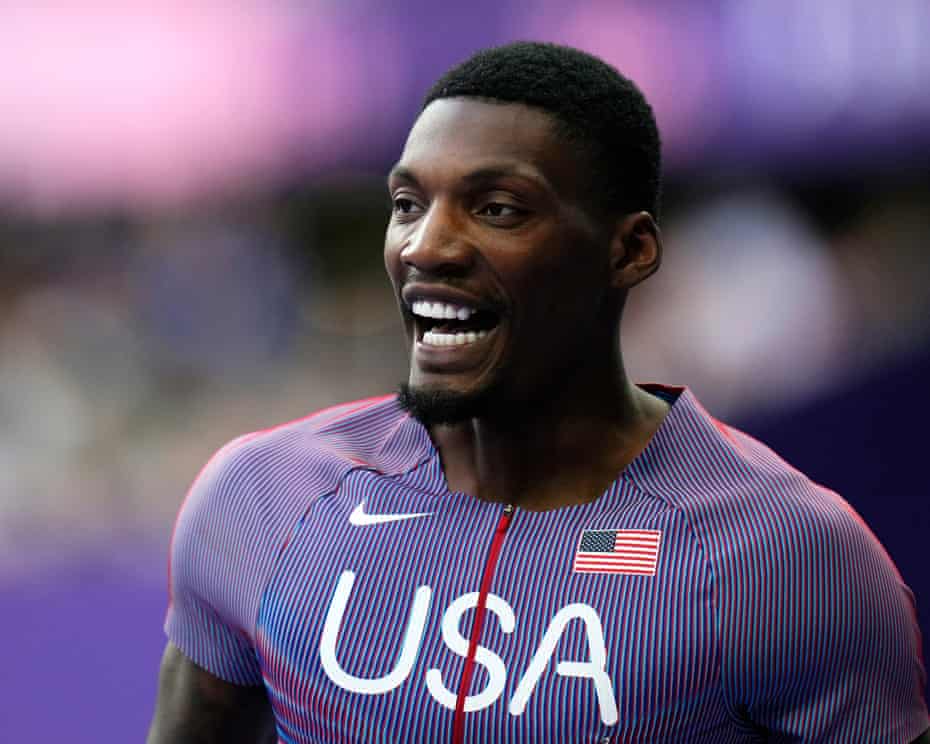
The sports world is buzzing with heated debate after the controversial Enhanced Games secured the participation of American sprinter Fred Kerley, one of the fastest men on the planet. This announcement has brought global attention to a competition that openly permits performance-enhancing drugs, something long considered the biggest taboo in professional sports. For many, the move represents a dangerous step backward in the fight for clean competition, while others argue it could be the start of a new era in how athletics is perceived and consumed.
The Enhanced Games has branded itself as a radical alternative to traditional sporting competitions. Unlike events such as the Olympics or World Championships, which operate under strict anti-doping rules, the Enhanced Games allow athletes to use substances and methods that governing bodies like the World Anti-Doping Agency have outlawed. Organizers say their goal is to “push the limits of human performance” without what they describe as outdated restrictions. Supporters call it an honest way of acknowledging what many believe already happens behind the scenes in elite sports, while critics see it as a reckless gamble with athletes’ health and the integrity of sport.
Kerley’s decision to join has amplified the debate. The 29-year-old sprinter is no ordinary athlete. He is an Olympic silver medalist, a world champion, and one of the few men in history to run under 10 seconds in the 100m, under 20 seconds in the 200m, and under 44 seconds in the 400m. His reputation as one of track and field’s biggest stars means his participation lends credibility to the Enhanced Games in a way few others could. For fans who follow him, the announcement was shocking. For governing bodies and fellow athletes, it was concerning.
Immediately after the news broke, critics from across the sporting world condemned the competition. Health professionals warned that encouraging athletes to use performance-enhancing drugs without limits could have devastating consequences on their long-term well-being. Former Olympic champions called the concept a betrayal of everything sport is supposed to represent. For them, sport has always been about discipline, natural ability, and fairness. By removing the restrictions, they argue, the Enhanced Games risks turning athletic performance into little more than a science experiment, where the winners are not just the best athletes but those with the best pharmaceutical backing.
The Enhanced Games, however, insists it is simply being transparent about what many fans already suspect. Over the years, doping scandals have rocked athletics, cycling, weightlifting, and even football. Some argue that strict anti-doping rules have not eliminated drug use but have only driven it underground. By bringing enhancement into the open, supporters say athletes will at least be able to use substances safely, under medical supervision, and without fear of suspensions or bans. To them, the Enhanced Games is not the end of sport, but an evolution.
Kerley himself has not yet given a lengthy public explanation for his decision, but sources close to him suggest that he sees the competition as a new challenge and a way to test the true limits of his ability. Financial incentives may also play a role. Traditional athletics has long struggled to provide athletes with sustainable earnings outside of sponsorship deals and the occasional prize money. If the Enhanced Games offers bigger payouts and fewer restrictions, some athletes may find it hard to say no.
Still, the risks remain glaring. Experts point out that performance-enhancing drugs can cause severe long-term damage, including heart problems, liver failure, hormonal imbalances, and psychological issues. Even with medical supervision, the danger of pushing the body beyond its natural limits cannot be ignored. Parents, young athletes, and grassroots coaches fear that a competition that celebrates enhancement might send the wrong message to future generations, encouraging them to prioritize quick results over healthy growth and discipline.
The Enhanced Games also poses a direct challenge to traditional sporting bodies like the International Olympic Committee and the World Athletics Federation. If more stars like Kerley join, the competition could draw attention away from the Olympics, which for over a century has stood as the pinnacle of clean and fair competition. For the first time, a credible rival event threatens to divide the sporting world into two camps: those who believe in natural competition and those who are willing to embrace enhanced performance.
Already, debates are raging on social media. Some fans are curious, even excited, to see what enhanced athletes can achieve. Could the four-minute mile be cut down even further? Could humans one day run the 100m in under nine seconds? Could weightlifters break limits that today seem impossible? Others are disgusted, saying they would rather watch slower, “natural” performances than celebrate victories that may come at the cost of health and integrity.
For now, the Enhanced Games remains a lightning rod for controversy. By signing Fred Kerley, it has gained visibility and forced the sporting community to confront questions that have long lingered in the shadows. How far should athletes be allowed to go in pursuit of greatness? Is the purpose of sport to test natural limits or to celebrate the heights of human ingenuity, even if that means embracing science and enhancement? And most importantly, can a balance ever be struck between pushing boundaries and protecting athletes’ well-being?
Whether the Enhanced Games succeeds or fails, one thing is certain: it has opened a new chapter in the global conversation about sport. With Kerley’s name now attached, the stakes are higher, and the world will be watching closely. For many fans, athletes, and officials, the choice is no longer just about whether to compete clean or enhanced, but about what kind of future sport itself should have.






Responses