Why Tinubu Replaced Service Chiefs — Presidency Clarifies


Abuja — The Presidency has explained the rationale behind President Bola Tinubu’s decision to dismiss and replace the nation’s service chiefs, saying the move was part of efforts to inject “fresh energy and direction” into the Nigerian Armed Forces — not a response to any alleged coup plot.
Speaking to Saturday PUNCH, the President’s Special Adviser on Information and Strategy, Bayo Onanuga, stressed that Tinubu acted within his constitutional powers as Commander-in-Chief.
“Service chiefs can be hired and fired by the President. He is the Commander-in-Chief. He has the power to hire and fire,” Onanuga said.
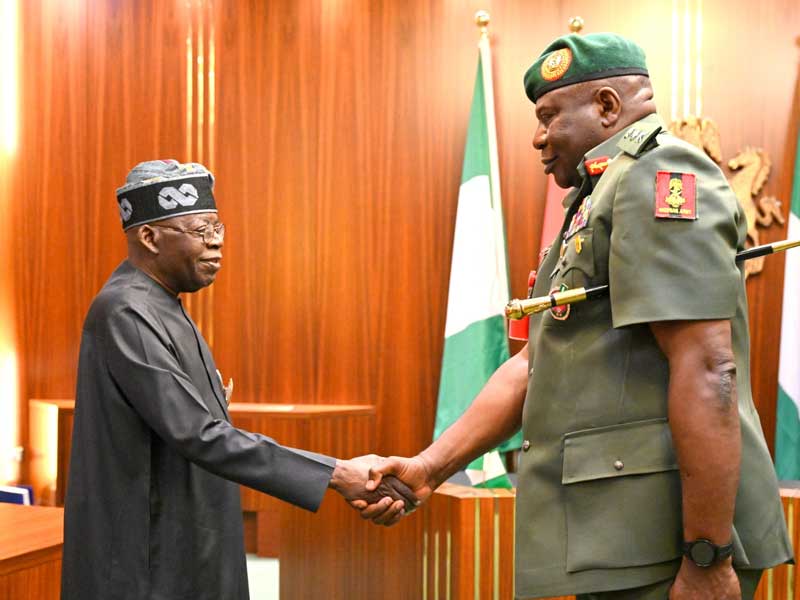
On Friday, the President announced a major shake-up in the military hierarchy.
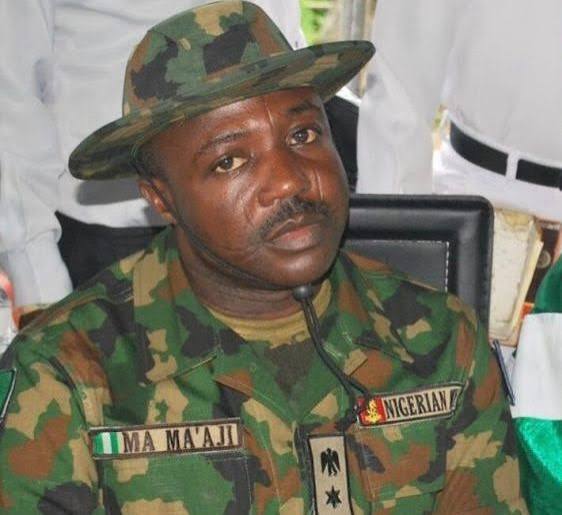
According to a statement by the Special Adviser to the President on Media and Public Communication, Sunday Dare, the new appointments include General Olufemi Oluyede as Chief of Defence Staff, Major-General W. Shaibu as Chief of Army Staff, Air Vice Marshal S.K. Aneke as Chief of Air Staff, and Rear Admiral I. Abbas as Chief of Naval Staff. The Chief of Defence Intelligence, Major-General E.A.P. Undiendeye, retains his position.
The appointments, which took immediate effect, came just days after reports circulated online alleging that some military officers had been detained over a failed coup attempt. The Defence Headquarters, however, firmly dismissed those reports as false and intended to create tension.
In a statement, the Director of Defence Information, Brigadier General Tukur Gusau, said the detained officers were facing disciplinary investigations unrelated to any coup plot. He emphasized that the armed forces remained loyal to the Constitution and the President.
Despite this clarification, the timing of the leadership changes has fueled public speculation.
Addressing these concerns, the Senior Special Assistant to the President on Media and Publicity, Tope Ajayi, said the decision had nothing to do with the coup rumours, explaining that most of the outgoing chiefs had served for nearly two years.
“This is not a reaction to any rumour of coups. The service chiefs have done two years. The President is injecting new direction, vision, and vigour into the military,” Ajayi said.
He added that Tinubu’s decision was guided by his broader security and economic priorities.
“For the past 15 years, security has taken the largest chunk of the national budget. The President wants to address insecurity once and for all so that funds can be channelled into infrastructure, power, education, and healthcare,” he explained.
Ajayi reiterated that all presidential appointees serve at the President’s pleasure.
“Every appointee, whether a minister, head of an agency, or service chief, serves at the pleasure of the President. The only two officials with guaranteed tenure are the President and the Vice President,” he said.
Opposition and Experts React
The African Democratic Congress (ADC), however, has called on the Presidency to offer a fuller explanation.
In a statement by its National Publicity Secretary, Bolaji Abdullahi, the party noted that some of the removed chiefs had barely served two years in office.
“Such a sweeping overhaul has serious implications for stability within the ranks and must have been driven by strong reasons. The Federal Government owes Nigerians a categorical explanation,” Abdullahi said.
Security experts offered mixed reactions to the development.
Retired Army officer Colonel Yomi Dare described the changes as “routine and morale-boosting,” saying new appointments could reinvigorate the military.
A former DSS Director, Mike Ejiofor, agreed that the President had the constitutional right to make the changes but cautioned that leadership change alone would not solve insecurity.
“The challenge remains funding and coordination. Unless resources are released promptly, the situation may remain unchanged,” he warned.
Security analyst Akogun-Abudu Oluwamayowa, however, questioned the timing, saying the root causes of insecurity — porous borders, weak intelligence sharing, and poor soldier welfare — must be prioritized.
“Changing service chiefs won’t fix systemic issues. The best welfare for soldiers is improving their pay and living conditions,” he added.
Background
President Tinubu’s new appointees assume duty at a time of persistent security challenges across multiple regions — including Boko Haram insurgency in the North-East, banditry in the North-West, separatist unrest in the South-East, and kidnappings across the country.
Observers say the latest shake-up may shape the next phase of the administration’s national security strategy and determine how quickly Nigeria can achieve lasting peace.




Responses