Nigeria Defeat Uganda 3–1 to Finish Group Stage Perfectly, But Defensive Concerns Linger Ahead of AFCON Knockouts

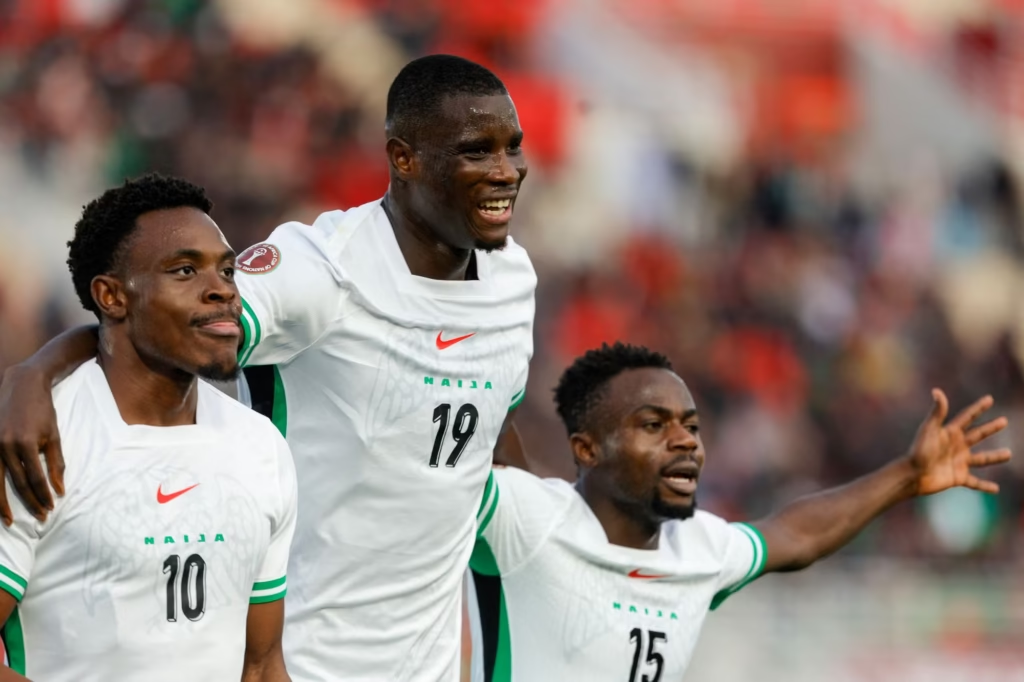
Nigeria’s Super Eagles wrapped up their AFCON 2025 group-stage campaign with a convincing 3–1 victory over Uganda on December 30, 2025, sealing a flawless record of three wins from three matches and topping their group with nine points. While the result confirmed Nigeria’s status as one of the tournament’s most formidable sides so far, the performance once again sparked mixed reactions among fans, analysts, and commentators, particularly over the team’s recurring defensive lapses.
From the early stages of the match, Nigeria asserted dominance with superior ball control, pace, and attacking intent. The Super Eagles created numerous chances and took control of proceedings, forcing Uganda onto the back foot for long stretches. Goals from Nigeria reflected the depth and quality of the squad, even with significant changes made to the starting XI by coach Éric Chelle, who opted to rotate players and manage fatigue ahead of the knockout rounds.
By the time Nigeria raced into a 3–0 lead, many supporters expected the team to push for a fourth goal and completely bury the contest. Instead, the Eagles slowed the tempo, passed the ball around, and focused on game management. This tactical decision divided opinion. Some fans questioned why Nigeria appeared to play “backwards football” instead of pressing for more goals, while others defended the approach as a smart way to conserve energy, avoid injuries, and see out the match professionally.
Uganda, to their credit, continued to fight and eventually pulled one goal back, making the final scoreline 3–1. That solitary Ugandan goal, however, reignited a familiar debate among Nigerian supporters: the Super Eagles’ inability to keep clean sheets. Many fans expressed concern that conceding goals in almost every match could become costly in the knockout stages, where a single defensive error can spell elimination.
One of the talking points of the match was the substitution decisions, particularly involving Victor Osimhen. The Nigerian striker, who has been instrumental throughout the tournament, stayed on the pitch until the 86th minute before being withdrawn. Some fans questioned the risk, noting that Osimhen was just one yellow card away from suspension and also vulnerable to fatigue or injury. Others felt his presence was meant to inspire the team and maintain attacking pressure, even though he did not get on the scoresheet this time.
Defensive substitutions also drew scrutiny, especially after Nigeria conceded shortly following changes at the back. This fueled heated debates among fans over individual performances, refereeing decisions, and whether certain players deserved yellow cards. Many supporters criticized the standard of officiating, describing African referees as inconsistent and overly harsh in some moments.
Elsewhere in the group, the match between Tunisia and Tanzania ended 1–1, a result that confirmed Nigeria as group winners. Tunisia finished second with four points, while Tanzania secured qualification as one of the best third-placed teams. The qualification scenario across groups generated excitement and nostalgia, with fans recalling past AFCON tournaments where teams progressed through drawing of lots due to identical records.
At full time, Nigeria emerged as one of the few teams to complete the group stage with a 100 percent record, reinforcing confidence among supporters and neutrals alike. Uganda, on the other hand, were eliminated from the tournament, despite showing moments of resilience.
Looking ahead, Nigeria are set to face a third-placed team from Group F in the Round of 16, with possibilities including Mozambique, Cameroon, or Ivory Coast. While many fans expressed confidence that Nigeria can match or surpass any opponent on the continent, others urged caution, pointing to past tournaments where strong group-stage performances did not translate into knockout success.
In summary, the 3–1 win over Uganda showcased Nigeria’s attacking depth, squad rotation strength, and tactical maturity. However, the persistent issue of conceding goals remains a concern that must be addressed quickly. As the competition enters its most decisive phase, the Super Eagles will need to combine their attacking flair with defensive discipline if they are to go all the way and lift the AFCON trophy once again.


Responses