First Wave of U.S. Troops Arrives in Maiduguri to Support Nigeria’s Counterterrorism Operations

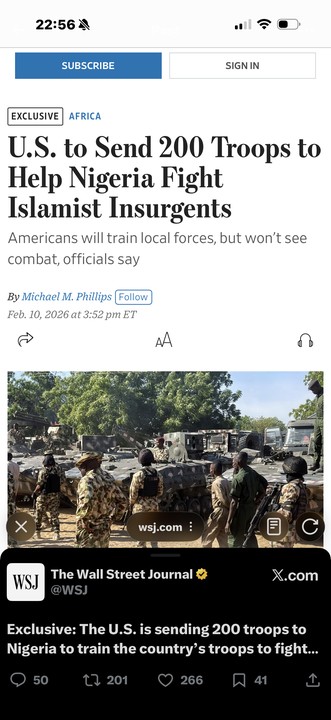
The first contingent of United States military personnel has landed in Maiduguri, marking the start of a new phase in security cooperation between Nigeria and the United States. The deployment, first reported by The New York Times, involves approximately 200 American intelligence analysts, advisers, and trainers who are expected to assist Nigerian forces in counterterrorism efforts.
According to officials from both governments, a U.S. military aircraft touched down in Maiduguri on Thursday night. Roughly 100 troops are anticipated to arrive in the initial wave, with additional personnel and equipment scheduled to follow over the coming days. Several C-17 transport aircraft are expected to shuttle forces and materials into three designated locations across Nigeria as part of the mission rollout.
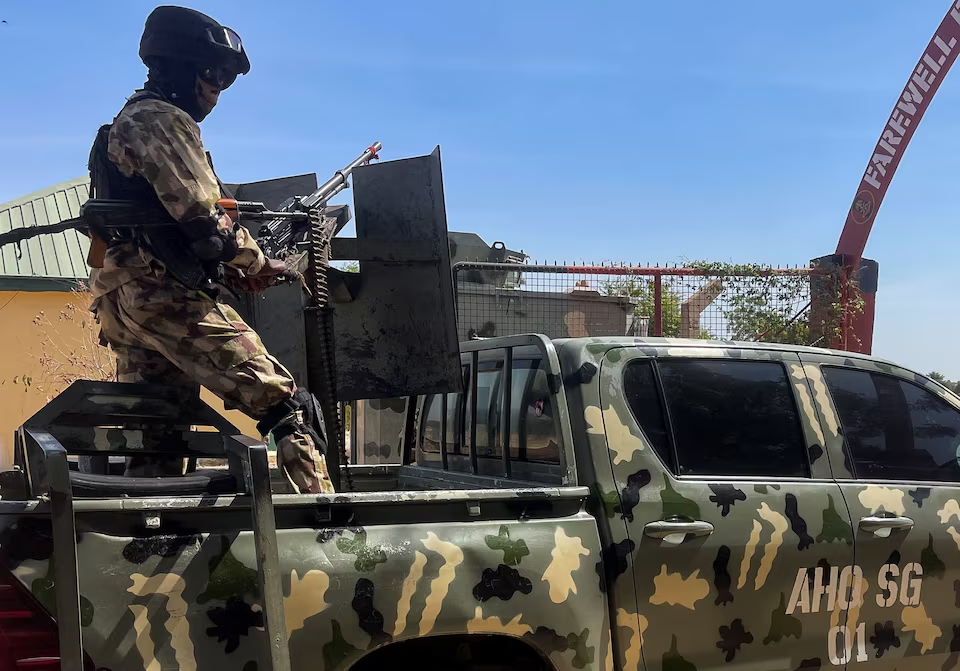
Nigerian authorities have emphasized that the American personnel will not engage in direct combat. Maj. Gen. Samaila Uba, a spokesperson for Nigeria’s defense establishment, stated that the U.S. troops will concentrate strictly on training, intelligence sharing, and technical advisory roles. He reiterated that Nigerian forces will retain full command authority and will lead all operations conducted on the country’s sovereign territory.
The U.S. Defense Department has echoed this position, noting that the American troops will primarily operate from command posts and provide planning, surveillance, and analytical support. Much of the initial effort will reportedly focus on establishing secure communications systems, enhancing base infrastructure, and strengthening operational coordination between the two militaries.
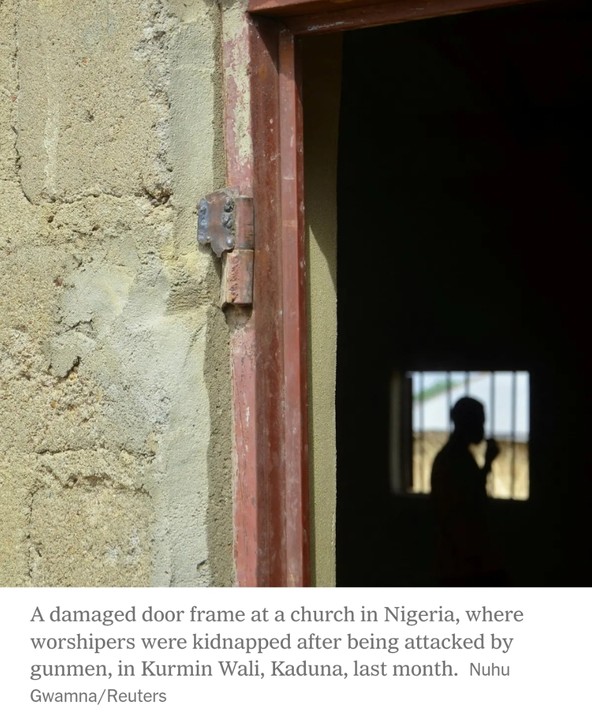
The deployment comes amid renewed international attention on Nigeria’s prolonged battle against extremist groups such as Boko Haram and its offshoots. These groups have operated for more than a decade in the northeast, particularly in and around Sambisa Forest, launching attacks that have killed thousands and displaced millions. While Christians have been prominent victims of sectarian violence, Muslims have also suffered heavily in the insurgency.
The initiative follows sustained pressure from U.S. President Donald Trump, who has criticized Nigeria’s handling of extremist violence. Late last year, Trump reportedly authorized a targeted missile strike in Nigeria on Christmas Day against what he described as terrorist elements responsible for attacks on Christian communities.
Nigerian officials indicated that U.S. advisory teams already on the ground have been assisting in specialized training for Nigerian special forces. Areas of focus include advanced battlefield tactics, map interpretation, strike coordination, and rescue operations. The first group of newly trained Nigerian commandos has reportedly been deployed to Plateau State as part of expanded security operations.
Intelligence collaboration will be central to the joint mission. U.S. surveillance flights operating from a base in neighboring Ghana are expected to contribute data, alongside intelligence gathered by Nigerian agencies. Joint mission planning structures are being developed to integrate both streams of information.
Online reactions to the development have been sharply divided. Some Nigerians welcomed the move, expressing hope that American expertise could help dismantle terrorist networks and disrupt their funding channels. Others voiced concerns about sovereignty, questioning whether foreign troop presence might expand beyond its stated advisory role. A number of commentators speculated about the long-term implications, including the possibility of a more permanent U.S. military footprint.
Security analysts note that such collaborations are not unprecedented in Africa, where the United States has previously provided training and logistical support in counterterrorism campaigns. However, they caution that success will depend heavily on local intelligence, political will, and sustained coordination between both governments.
While the Pentagon has described the mission as temporary and tied to specific operational objectives, officials have left open the possibility of extended cooperation if the joint effort proves effective. For now, the focus remains on strengthening Nigeria’s capacity to combat insurgent groups while maintaining national command over all military actions.
As the deployment unfolds, Nigerians will be watching closely to see whether the partnership delivers measurable improvements in security — or adds another layer of complexity to an already challenging fight.



Responses