Adeyanju Alleges Makinde’s 2027 Ambition to Replace Wike as FCT Minister

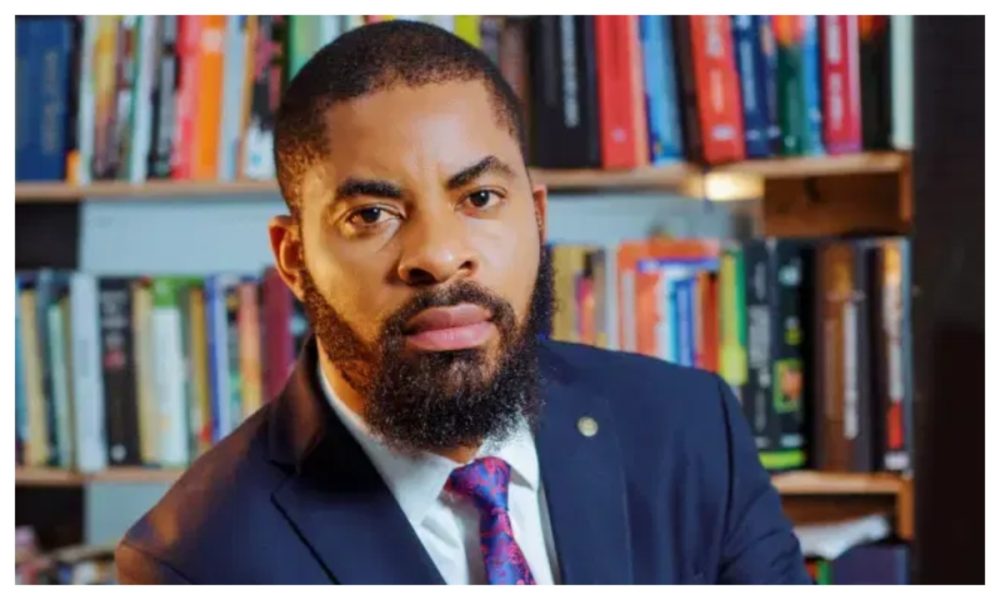
Human rights activist and lawyer Deji Adeyanju has stirred fresh political debate with claims that Seyi Makinde, the Governor of Oyo State, is positioning himself to replace Nyesom Wike as Minister of the Federal Capital Territory in 2027.
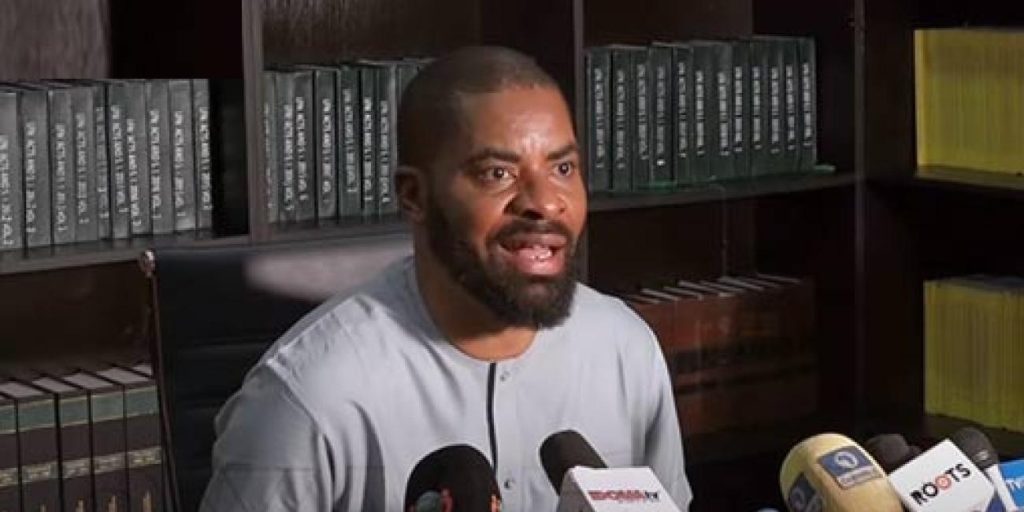
Adeyanju made the assertion in a video shared on his social media platforms, where he also criticized the Peoples Democratic Party (PDP), describing it as ineffective and lacking clear direction. According to him, internal dynamics within the party suggest that many of its prominent members are indirectly aligned with the political interests of President Bola Tinubu.
Adeyanju’s Claims and Political Context
In his remarks, Adeyanju argued that the PDP has become a shadow of its former self, alleging that key figures within the party are more focused on political bargaining and personal advantage than on rebuilding a viable opposition. He suggested that Makinde’s alleged interest in the FCT ministerial position reflects broader strategic calculations ahead of the 2027 general elections.
According to Adeyanju, the contest for influence within Nigeria’s political space is already intensifying, with politicians positioning themselves for relevance in a potentially shifting power structure. He framed Makinde’s purported ambition as part of a wider trend in which politicians seek alignment with the ruling establishment to secure future roles.
Speculation Versus Political Reality
Despite the boldness of the claim, there has been no official confirmation from Makinde or his associates regarding any intention to seek the FCT ministerial role. Political observers note that such assertions remain speculative and should be treated cautiously, especially given Nigeria’s fluid political landscape where alliances and ambitions often evolve rapidly.
Makinde, widely regarded as one of the more independent-minded governors within the PDP, has previously been linked to broader national ambitions, including potential presidential aspirations. This has led some analysts to question whether a ministerial role—generally seen as an appointed position—would align with a trajectory toward higher elective office.
On the other hand, Nyesom Wike, the current FCT Minister, remains a dominant and influential figure in Nigerian politics. His political alliance with President Bola Tinubu has continued to generate discussion, particularly given his roots in the PDP and his role in the G-5 governors’ bloc during the 2023 elections.
PDP’s Internal Challenges
Adeyanju’s comments also highlight ongoing concerns about the cohesion and future of the Peoples Democratic Party. Since the last general elections, the party has faced internal divisions, leadership disputes, and questions about its ability to effectively challenge the ruling party.
Critics argue that these internal struggles have weakened the PDP’s standing as a credible opposition force, while supporters insist that the party is undergoing a necessary phase of restructuring and realignment.
Public Reactions and Diverging Opinions
The allegation has triggered mixed reactions among Nigerians. While some view it as a plausible political scenario given the country’s history of shifting loyalties, others dismiss it as unfounded speculation lacking concrete evidence.
A common thread in public discourse is skepticism toward political actors, with many Nigerians expressing the belief that personal interest often drives political maneuvering. Others, however, caution against drawing conclusions based solely on unverified claims, emphasizing the importance of relying on confirmed statements and actions.
Looking Ahead to 2027
As Nigeria gradually approaches the 2027 election cycle, political positioning, alliances, and strategic calculations are expected to intensify. Statements like Adeyanju’s, whether accurate or speculative, reflect the growing anticipation and uncertainty surrounding the future configuration of power in the country.
For now, the claim that Seyi Makinde is eyeing the FCT ministerial position remains unverified. However, it underscores the broader narrative of a political environment already in motion—where ambitions, negotiations, and alignments are quietly shaping what could become a defining election cycle.




Responses