World Cup Qualification Row: NFF Appeals FIFA Decision on DR Congo Eligibility Case

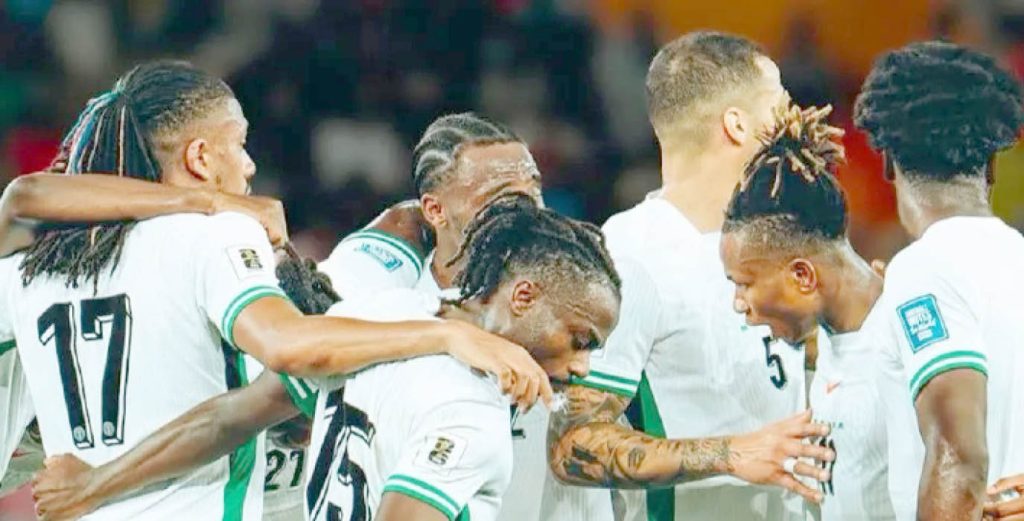
The Nigeria Football Federation (NFF) has initiated an appeal process after FIFA dismissed its petition seeking the disqualification of Democratic Republic of the Congo (DR Congo) from a crucial World Cup qualifying playoff.
The dispute follows Nigeria’s painful elimination from the qualification race after a dramatic 4–3 penalty shootout loss to DR Congo, following a 1–1 draw after extra time in Rabat, Morocco. With that victory, DR Congo secured Africa’s slot for the upcoming intercontinental playoffs scheduled to take place in Mexico later this month, where teams will compete for the final tickets to the FIFA World Cup 2026.
The Basis of Nigeria’s Petition
The NFF’s protest centered on allegations that DR Congo fielded ineligible players during the playoff match. According to the Nigerian football governing body, the complaint—initially submitted in December—was based on suspected irregularities in the issuance of passports to certain Congolese players. The NFF argued that these alleged discrepancies effectively rendered the players ineligible under international football regulations.
However, after reviewing the case, FIFA, through its Disciplinary Committee, rejected the petition. The global football body did not find sufficient grounds to sanction DR Congo or overturn the match result, effectively allowing the Central African nation to proceed with its World Cup qualification campaign.
NFF Responds with Appeal
Despite FIFA’s ruling, the Nigeria Football Federation has made it clear that it is not backing down. In an official statement, the federation confirmed that it has already begun the process of appealing the decision.
NFF Secretary General, Mohammed Sanusi, emphasized that the organization remains dissatisfied with FIFA’s conclusion and is determined to pursue further legal avenues. The appeal comes at a critical time, with the intercontinental playoffs just days away, raising questions about whether the case can be resolved before the competition begins.
Growing Debate Over Legal Battles in Football
This development has sparked widespread debate among football observers and fans, many of whom question the increasing reliance on legal disputes to settle sporting outcomes. Critics argue that matches should primarily be decided on the pitch rather than in courtrooms or administrative chambers.
The situation also highlights the complexities of player eligibility rules in modern football, especially in cases involving dual nationality. FIFA regulations generally permit players with multiple nationalities to represent a country, provided they meet specific criteria and have not been cap-tied to another national team at senior level. This legal framework may have influenced FIFA’s decision to dismiss Nigeria’s claims.
Nigeria’s World Cup Struggles
For Nigeria, the stakes are particularly high. The Super Eagles last appeared at the World Cup during the 2018 tournament in Russia and failed to qualify for the 2022 edition in Qatar. Missing out again on the 2026 tournament would mark the first time the country fails to qualify for consecutive World Cups since its debut in 1994.
This context adds urgency to the NFF’s actions, as the federation seeks any possible avenue to keep Nigeria’s World Cup hopes alive—even if it means pursuing a legal battle at the highest levels of international sports governance.
What Lies Ahead
The appeal process could potentially escalate beyond FIFA’s internal mechanisms, depending on its outcome. However, given the tight timeline before the intercontinental playoffs, there is uncertainty about whether any decision will come in time to affect DR Congo’s participation.
For now, DR Congo remains on course to compete for a place at the FIFA World Cup 2026, while Nigeria’s fate hangs in the balance—caught between the realities of on-field performance and the complexities of football law.
As the case unfolds, it underscores a growing tension in global football: the fine line between sporting merit and legal interpretation, and how decisions off the pitch can sometimes overshadow the game itself.


Responses