“Nigeria Worse Off Than 2023” — Baba-Ahmed Slams Tinubu Over Economy, Insecurity

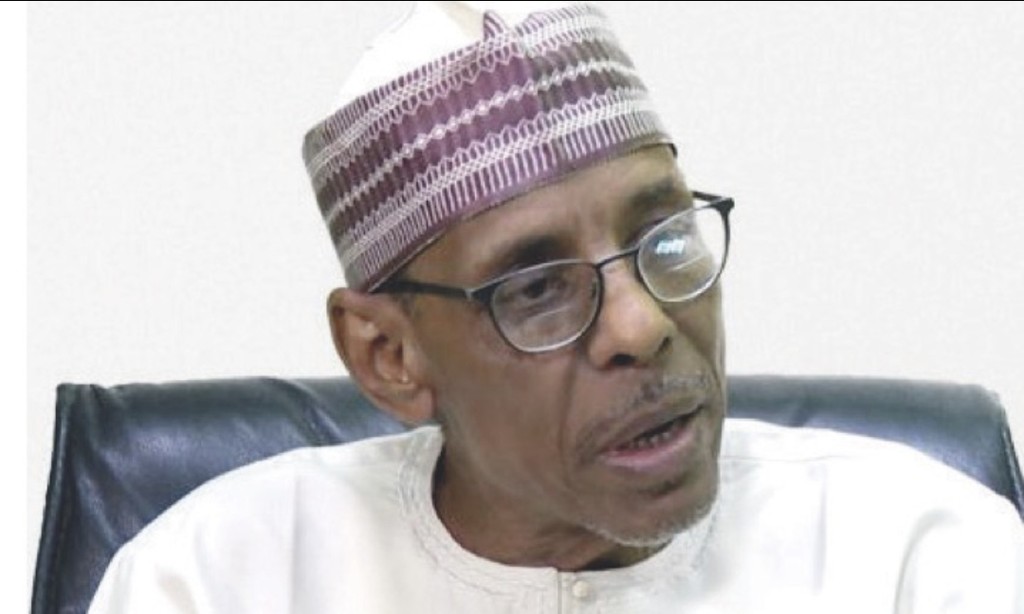
Former Special Adviser on Political Matters to President Bola Ahmed Tinubu, Hakeem Baba-Ahmed, has delivered a blunt assessment of the current state of the nation, declaring that Nigeria is now in a more difficult position than it was when the administration assumed power in 2023.
Speaking during an interview on Trust TV, Baba-Ahmed expressed deep concern over what he described as worsening conditions across key sectors, particularly security and the economy. According to him, the scale and intensity of violence in the country have increased significantly, raising serious questions about the effectiveness of the government’s approach.
“We are in deeper trouble than when you came,” he said, referring to the president’s campaign promises. He argued that expectations were high when the administration took office, especially regarding the pledge to tackle insecurity and improve living conditions for Nigerians.
Baba-Ahmed noted that, nearly three years into the administration, the reality on the ground tells a different story. He pointed to a surge in violent incidents across various regions, stating that the pattern, magnitude, and impact of these attacks are more severe than anticipated. According to him, Nigerians are facing levels of insecurity that contradict earlier assurances made by the government.
He further suggested that even the president would privately acknowledge that the administration has not fully delivered on its promises. This claim underscores growing public frustration as citizens continue to grapple with rising costs of living, economic instability, and persistent security threats.
The former adviser also criticized the timing of a recent official trip by the president to the United Kingdom. He described the visit as overly celebratory, especially given the backdrop of recent violent attacks in parts of the country, including Borno State, which has long struggled with insurgency-related violence.
According to Baba-Ahmed, the contrast between the government’s foreign engagements and the situation at home sends the wrong message to citizens who are dealing with loss, fear, and economic hardship. He argued that such optics risk deepening public dissatisfaction and eroding confidence in leadership.
His remarks add to a growing list of criticisms directed at the current administration from political figures, analysts, and citizens alike. Many have pointed to the rising cost of food, transportation, and basic necessities as evidence of economic strain, while others continue to raise alarm over kidnapping, banditry, and insurgency.
However, supporters of the government argue that the challenges facing Nigeria are longstanding and cannot be resolved within a short period. They maintain that reforms introduced by the administration, though painful in the short term, are necessary for long-term stability and growth.
Still, Baba-Ahmed’s comments reflect a broader sentiment among sections of the population who feel that progress has been slow or insufficient. His criticism also highlights the increasing pressure on the administration as it approaches the midpoint of its tenure.
As debates over governance and performance continue, the central question remains whether current policies will eventually translate into tangible improvements in the lives of ordinary Nigerians—or whether concerns about deepening hardship will persist.



Responses