Customs launches e-clearance system

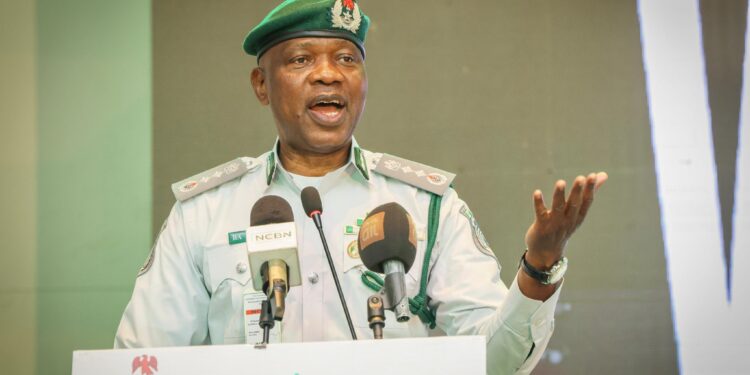
The Nigeria Customs Service has introduced a new digital overtime e-clearance system to reduce congestion at the nation’s ports and improve trade facilitation. The announcement was made on the Service’s official X account, with Comptroller-General Adewale Adeniyi explaining the system during a sensitization exercise in Lagos.
This automated platform is designed to process overtime cargo more efficiently, cutting delays, reducing manual interference, and limiting opportunities for corruption. Adeniyi emphasized that the goal is not just to manage abandoned cargo but to ensure that they are swiftly removed from ports. By enabling consignees to submit and track applications remotely, the system is expected to lower costs and shorten clearance time for cargo owners who previously had to make repeated visits to customs offices.
The new system is seen as a major step toward creating more transparency and efficiency in port operations. Adeniyi highlighted how abuse of the process in the past created loopholes, citing a 15-year-old overtime cargo case still under investigation. He warned that cargo deliberately abandoned to evade duties will attract tougher sanctions, with customs intelligence units closely monitoring activities.
Terminal operators and shipping companies welcomed the initiative, pledging full cooperation and stressing that it would help deliver measurable reductions in congestion while improving turnaround times at Nigerian ports. Senior officials like ACJ Mohamed Babandede praised the development, describing it as a move toward accountability, transparency, and effectiveness.
To ensure smooth implementation, Adeniyi directed the Zone A Coordinator to engage further with terminal operators and shipping companies. This collaborative approach is expected to support the transition and build trust among stakeholders in the logistics chain.
This innovation builds on recent reforms by the Nigeria Customs Service, which earlier extended the clearance window for overtime cargoes to 120 days. Previously, the period was 30 days for airports and 90 days for seaports, after which unclaimed goods were either disposed of or auctioned, while perishable and inflammable items could be auctioned immediately.
Overtime cargoes often contribute significantly to congestion at Nigerian ports. These are goods left uncleared beyond stipulated timelines, which then pile up at terminals, increase storage costs, and delay handling of other shipments. In the past, customs relied heavily on physical auctions to dispose of such cargo, but the process was criticized for lacking transparency and fairness.
To improve accountability, the NCS also launched an upgraded e-auction portal in January 2024. The portal requires participants to register with a verified Tax Identification Number on the FIRS TaxPro Max platform and an active email address, thereby ensuring more open access to auctions.
By combining automation with the extended clearance window, the Nigeria Customs Service hopes to reduce the number of abandoned consignments, improve logistics efficiency, and build confidence in the system. The reform is not just about moving goods faster but also about changing the perception of port operations in Nigeria, which have long been plagued by bottlenecks, corruption, and inefficiency.
For importers, exporters, and shipping lines, this development represents an opportunity for smoother trade operations. It means reduced costs associated with delays and storage, faster turnaround times for vessels, and an improved business climate for international trade. For the government, it signals a step toward strengthening revenue generation while blocking loopholes that allow duty evasion.
Ultimately, the digital overtime e-clearance system reflects a broader shift toward technology-driven solutions in Nigeria’s trade sector. If properly implemented and sustained, it could mark a turning point in how the country manages its ports, creating a more transparent, efficient, and investor-friendly environment.




Responses