Dangote Refinery Raises Petrol Price to ₦1,245 Per Litre Amid Global Pressures

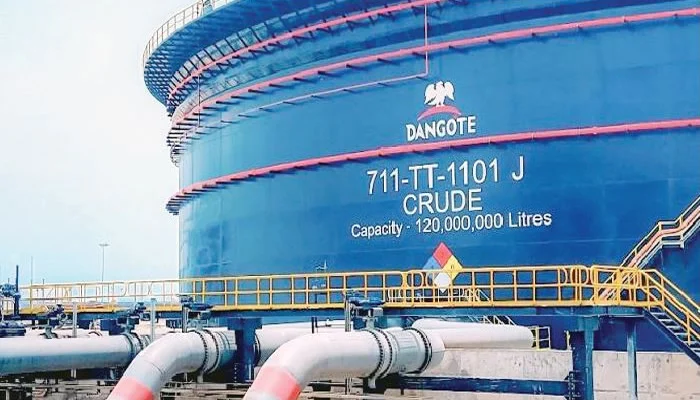
The Dangote Refinery has announced another increase in the price of Premium Motor Spirit (PMS), raising its gantry price from ₦1,175 to ₦1,245 per litre — a ₦70 increment that is expected to further impact fuel costs across Nigeria.
According to the notice issued to customers, the new pricing takes effect from 12:00 a.m. on March 21, 2026, and applies to all outstanding and yet-to-be-loaded orders.
In addition to the gantry price adjustment, the refinery also reviewed its coastal supply pricing. The cost per metric tonne has been increased from ₦1,512,648 to ₦1,606,518, reflecting a broader adjustment across its supply chain.
The company attributed the latest hike to persistent global geopolitical tensions, which continue to influence crude oil prices and overall production costs. These external pressures have remained a key factor shaping fuel pricing worldwide, including in Nigeria.
Customers operating under existing agreements with valid Bank Guarantees have been allowed to continue loading products under previous terms. However, they are required to pay the price difference resulting from the new adjustment. The refinery stated that all outstanding differential payments must be settled on or before March 23, 2026.
This latest increase comes amid ongoing concerns about the cost of living in Nigeria, where rising fuel prices have a direct effect on transportation, food prices, and general economic activity. Petrol remains a critical driver of daily expenses, and any upward adjustment often triggers a ripple effect across multiple sectors.
The development has also reignited conversations about Nigeria’s fuel pricing structure and the role of domestic refining. Despite the operational presence of large-scale facilities like the Dangote Refinery, fluctuations in global oil markets and supply chain dynamics continue to influence local pump prices.
Industry observers note that while local refining was expected to reduce reliance on imports and stabilize costs, factors such as crude sourcing, foreign exchange considerations, and international market forces still play a significant role in determining final prices.
As Nigerians continue to navigate economic challenges, the latest adjustment underscores the ongoing volatility in the energy sector and the complexities involved in achieving stable and affordable fuel pricing.





Responses