Germany Expands Schengen Visa Access with New Application Centres in Nigeria


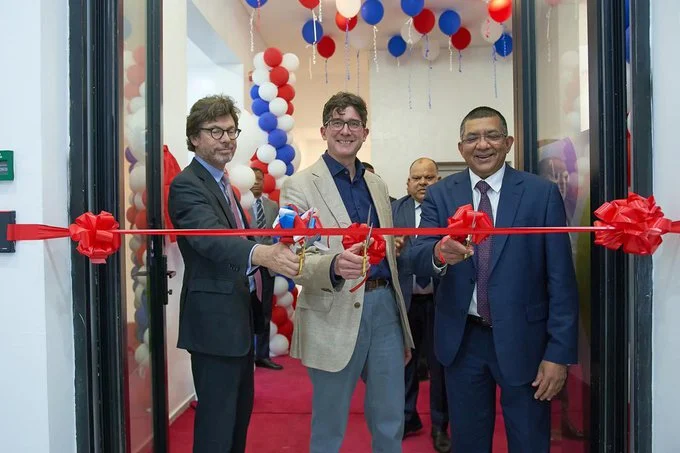
Germany has taken a significant step toward improving visa accessibility for African and Middle Eastern applicants by expanding its Schengen visa processing network. In collaboration with VFS Global, a leading outsourcing and technology services company for governments and diplomatic missions, Germany has launched new visa application centres in Nigeria, Cameroon, and Cyprus. This development is part of a renewed seven-year contract between Germany’s Federal Foreign Office and VFS Global aimed at streamlining visa services in high-demand regions.
Prior to this expansion, applicants from Nigeria often faced limited options when applying for a German visa. Most had to rely on the German Embassy in Abuja or the Consulate General in Lagos. This centralized setup resulted in a bottleneck for visa appointments, particularly for Nigerians living outside major cities. Long waiting times and appointment scarcity were common complaints. Now, with the establishment of dedicated visa centres run by VFS Global, the process is expected to become more convenient and efficient for many applicants.
The newly opened centres are located in Abuja and Lagos in Nigeria, Yaoundé in Cameroon, and Nicosia in Cyprus. These locations were chosen strategically to address growing demand and improve access to Germany’s visa services. The move brings the total number of German visa application centres operated by VFS Global to 72 around the world.
Speaking about the expansion, Jiten Vyas, Chief Commercial Officer at VFS Global, expressed gratitude for the continued trust placed in the company by the German government. He described the renewed partnership as a reflection of Germany’s confidence in VFS Global’s ability to provide reliable and secure visa processing services.
For many Nigerians, the new centres could not have come at a better time. Germany remains one of the most sought-after destinations for Nigerian students, tourists, healthcare seekers, and professionals looking for opportunities abroad. In recent years, interest in relocating to Germany has surged as more Nigerians explore options to study, work, or build a new life in Europe.
This expansion also responds to the challenges faced by many visa applicants who previously had to travel long distances to submit their documents or attend appointments. By decentralizing the process and opening centres in more accessible locations, Germany and VFS Global are aiming to reduce these logistical burdens. Applicants will now be able to submit their documents, provide biometric data, and schedule appointments closer to home, all through a more organized and transparent system.
Despite this progress, travellers are being warned to stay vigilant against fraud. VFS Global emphasized the importance of using only their official website for booking appointments. There have been increasing reports of fake websites and unofficial agents claiming to secure visa slots for a fee. These fraudulent actors often exploit applicants’ desperation, particularly in countries where appointment availability has been historically limited.
Another critical issue that applicants face is the high rate of Schengen visa rejections in Nigeria. According to data from the European Commission, Nigeria recorded a rejection rate of 45.9 percent in 2024. This made Nigeria the third-highest country globally in terms of Schengen visa denials, behind Bangladesh and Senegal. What is particularly striking is that this figure marked a rise from the 40.8 percent rejection rate reported in 2023. Essentially, nearly half of all Nigerian applicants in 2024 were denied entry into the Schengen area.
This high rejection rate has become a source of frustration and concern among Nigerians, especially considering the growing demand for international travel and education. While the expansion of visa centres might not directly impact approval rates, it is expected to improve the overall application experience and reduce errors that often contribute to rejections. A more structured process, supported by trained VFS Global staff, can help applicants submit more accurate and complete applications.
Germany’s position as a leading destination for Africans is driven by several factors. Its reputation for high-quality education, strong economy, and well-developed healthcare system continues to attract thousands of applicants from across the continent. Moreover, Germany’s relatively open immigration policies for skilled workers have made it an appealing choice for professionals in IT, engineering, medicine, and other fields.
Beyond Nigeria, the launch of the visa centre in Yaoundé, Cameroon’s capital, addresses similar challenges in Central Africa. Many Cameroonian applicants have struggled with a lack of access to streamlined visa processing services, and the new centre is likely to ease those difficulties. In Cyprus, the new Nicosia centre will cater to a different demographic, including students and residents from surrounding regions seeking access to Germany for various reasons.
Overall, the expansion represents a strategic investment by Germany in building more robust relationships with African and Middle Eastern nations. It shows a commitment to improving mobility, promoting cultural exchange, and encouraging legal migration through proper channels. The convenience that comes with localized visa services is expected to benefit both applicants and the German diplomatic missions, which will now be less burdened with administrative tasks.
As the world becomes increasingly interconnected, efficient and fair visa systems are crucial. Germany’s decision to partner with VFS Global to enhance visa access in Nigeria, Cameroon, and Cyprus is a move in the right direction. It not only acknowledges the growing demand for travel and migration but also seeks to address some of the challenges applicants have long faced.
With better infrastructure in place, more transparency, and official guidance, the hope is that the visa application journey for many will become less frustrating and more hopeful. For Nigerians dreaming of studying, working, or exploring Europe, this development may be the first step toward turning those dreams into reality.







Responses