Jubilation as Rivers Pays Workers N85,000 Minimum Wage

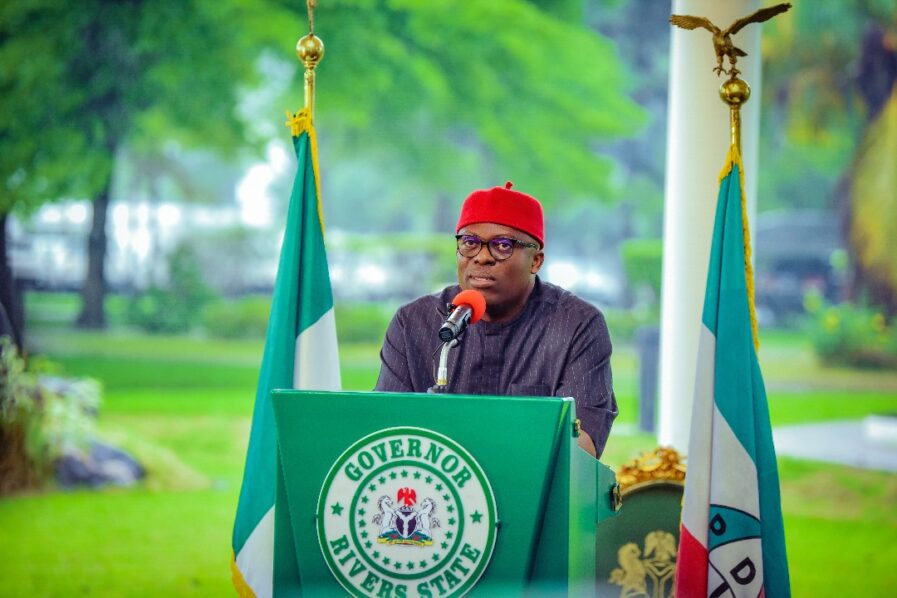
There has been widespread celebration in Rivers State following the announcement that the state government has officially implemented a new minimum wage of N85,000 for its workers. The move, which was made by the administration of Governor Siminalayi Fubara, is seen as a significant step toward improving the welfare of civil servants in the state. The payment, which is higher than the federal government’s minimum wage, has been lauded by labor unions, workers, and citizens alike as a positive development in the face of rising living costs.
The Announcement and Public Reactions
Governor Fubara, in a statement made during a recent workers’ event, confirmed that the state had fulfilled its promise to increase the minimum wage for its employees to N85,000 per month. This new wage is substantially above the N30,000 minimum wage set by the federal government in 2019, which had been widely considered inadequate given the country’s current economic realities, including inflation and the rising cost of living.
The announcement was met with cheers and jubilation from workers in the state, many of whom had long been advocating for an increase in their wages to match the growing economic pressures. Unions, particularly the Nigeria Labour Congress (NLC) and the Trade Union Congress (TUC), expressed their gratitude to the governor, praising the move as a major milestone in the fight for workers’ rights and fair compensation.
Government’s Commitment to Workers’ Welfare
Governor Fubara emphasized that the increase in the minimum wage is part of the state government’s commitment to ensuring the well-being of its workers, who have been at the forefront of delivering public services across the state. He acknowledged the economic challenges faced by Nigerians, especially civil servants, and reiterated that his administration would continue to prioritize the welfare of state employees.
In his speech, the governor also mentioned that the new wage was not just a symbolic gesture, but an actionable step towards reducing poverty and improving the quality of life for state workers. “Our government remains committed to ensuring that the dignity of labor is upheld and that those who serve in the public sector are adequately compensated,” Fubara said.
The Rivers State government has also stated that it will continue to review other aspects of workers’ welfare, including pension plans, health insurance, and job security, as part of its broader agenda to enhance the living standards of its civil servants.
The Economic Context
The Rivers State minimum wage increase comes at a time when many Nigerians have been grappling with economic challenges, such as inflation and a weakened naira. For several years, workers across various sectors have raised concerns that the official minimum wage does not reflect the rising costs of food, transportation, healthcare, and other essential services.
In this context, the N85,000 wage increase is seen as an attempt to alleviate some of the financial strain on public servants in Rivers State. Many believe that the adjustment will provide much-needed relief for workers and their families, helping to ensure a better standard of living. The decision has been hailed as a forward-thinking approach to governance, with the hope that it will inspire other state governments to consider similar increases for their workers.
Labor Unions Express Satisfaction
Labor unions in Rivers State have expressed their satisfaction with the new wage structure, calling it a step in the right direction. The NLC, in particular, noted that the state government’s decision was a reflection of the government’s understanding of the economic challenges faced by workers, as well as a demonstration of political will to support the people.
The TUC also applauded the move, emphasizing that it would encourage greater productivity and morale among workers. According to the union, an increase in wages boosts workers’ motivation, which can lead to improved performance in public service and a more efficient delivery of government services.
While the payment of N85,000 as the minimum wage is being celebrated, experts believe that it is just one aspect of addressing the broader issue of workers’ welfare. There are calls for the Rivers State government to ensure that the wages are paid promptly and that the wage increase does not lead to other financial challenges such as inflation or higher taxes. Additionally, there are suggestions that the state should invest in other social services like education, healthcare, and affordable housing to complement the wage increase and improve the overall living conditions of the people.
Furthermore, there are expectations that other state governments will follow suit and implement similar wage increases, especially in light of the challenges that many Nigerians face. Public sector workers, especially in education, healthcare, and local government services, have continued to advocate for better pay, and the Rivers State initiative may set a precedent for other regions.
The implementation of the N85,000 minimum wage in Rivers State marks a significant moment for workers in the state, providing them with better financial security and affirming the government’s commitment to improving their living conditions. The positive response from labor unions and workers highlights the importance of fair wages in ensuring a motivated and productive workforce. However, as the state continues to move forward, it will be important to monitor how this wage adjustment impacts the local economy and the broader public sector. As other states and the federal government observe the outcomes in Rivers, there is hope that the decision will inspire a nationwide conversation about the need for more sustainable and equitable wage structures in the Nigerian public sector.


Responses