JUST IN: NNPCL stations hike petrol price to N1,030 in FCT


Transportation expenses in the Federal Capital Territory (FCT) are anticipated to surge following a recent increase in petrol prices by some stations of the Nigerian National Petroleum Company Limited (NNPCL) in Abuja. On Wednesday, these stations raised the retail price of petrol from N897 to N1,030 per litre, as noted by our correspondent who visited various NNPCL outlets across the FCT.
This adjustment marks the second price hike within just one month, translating to a significant 14.8 percent increase, or an additional N133 per litre. At a major NNPCL station situated in the Central Area, a customer confirmed to PUNCH Online that petrol was indeed being sold for N1,030.
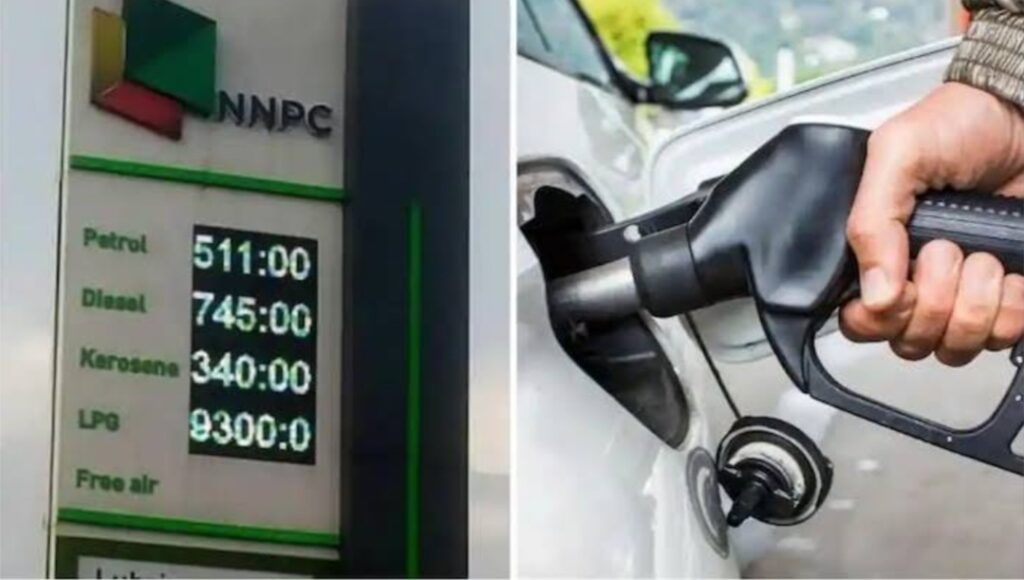
Interestingly, this particular station did not display any pricing information on its signboard or pump meters, leaving customers in the dark about the current fuel costs. Instead, individuals were informed of the price exclusively through verbal communication from the attendants on duty. One frustrated customer, who preferred to remain anonymous, expressed his displeasure, stating, “I am extremely upset right now. I came to this station hoping their prices would be more competitive. It was only after spending considerable time in line that I learned from the attendant that the price had jumped to N1,030.”
In contrast, our correspondent conducted additional checks at independent marketers’ stations, such as Conoil and Total Energies, located directly across from the NNPCL headquarters. Here, petrol was available for N926 per litre, although customers encountered long queues as a result of high demand.
The sharp rise in fuel prices is likely to have a cascading effect on transportation costs throughout the FCT. Many residents and commuters are already feeling the pinch, as higher fuel prices typically lead to increased fares for public transport and other services reliant on petrol. This situation raises concerns about the potential impact on the cost of living in the capital, as transportation is a critical component of daily expenses for many.
The latest pricing adjustments come at a time when economic pressures are already mounting for consumers, making it increasingly challenging for families to manage their budgets. The continuous fluctuations in fuel prices, driven by various factors including global oil market trends and local supply issues, have left many citizens frustrated and struggling to cope with the financial implications.
As the situation develops, stakeholders are calling for greater transparency and regulation in the fuel pricing system to mitigate the burden on consumers. Many are advocating for measures that would stabilize petrol prices and prevent sudden hikes, which can disrupt daily life and economic stability.
In summary, the recent price increases in petrol by NNPCL stations in Abuja signal a troubling trend for transportation costs in the Federal Capital Territory. As consumers navigate these changes, the ripple effects on fares and overall living expenses are likely to be significant, prompting calls for immediate action to address the challenges posed by fluctuating fuel prices.


Responses