Malaysia to Phase Out CNG and LNG-Powered Vehicles Over Safety Concerns

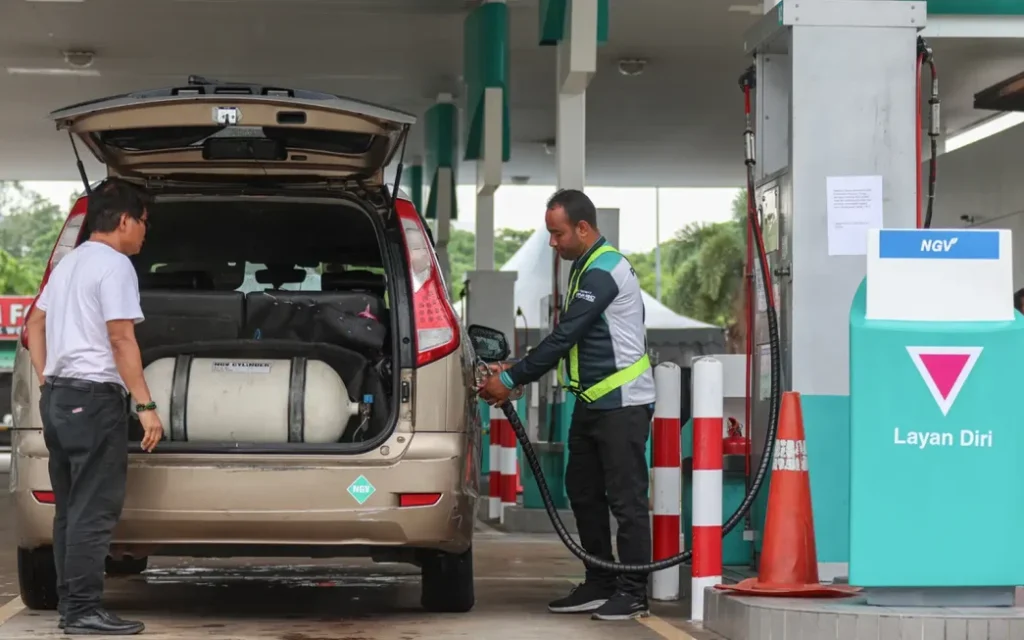
The Malaysian government has announced plans to phase out vehicles powered by Compressed Natural Gas (CNG) and Liquefied Natural Gas (LNG) due to growing safety concerns. The move is part of a broader initiative to enhance vehicle safety standards in the country, following a series of incidents involving vehicles powered by these alternative fuel sources.
The Ministry of Transport (MOT) and the Road Transport Department (JPJ) issued a joint statement on Thursday confirming that Malaysia will gradually discontinue the use of CNG and LNG-powered vehicles over the next few years. Authorities cited safety risks associated with the storage and handling of these fuels as the primary reasons behind the decision. The government’s move follows multiple accidents involving vehicles using CNG and LNG, raising alarm among safety regulators and the public.
According to the statement, the decision was made after thorough discussions with industry stakeholders, including vehicle manufacturers, fuel suppliers, and safety experts. The government cited significant safety risks related to the pressurized storage systems used in CNG and LNG vehicles, which have been linked to incidents of explosions, fires, and other accidents. While CNG and LNG were initially seen as cleaner alternatives to traditional petrol and diesel engines, safety issues have increasingly overshadowed their environmental benefits.
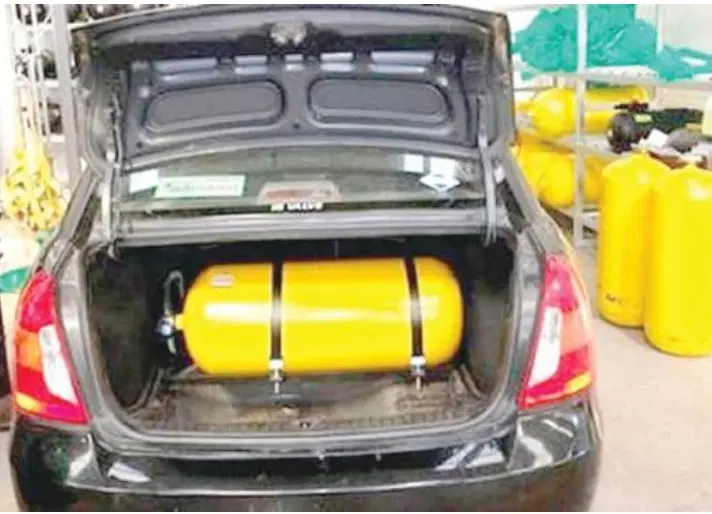
Malaysian authorities emphasized that while natural gas vehicles (NGVs) were initially promoted as a more environmentally friendly option, the safety risks posed by high-pressure fuel tanks and systems have become a major concern. These tanks, used to store CNG and LNG, are susceptible to damage in the event of an accident or collision, which can lead to devastating consequences such as fuel leaks, explosions, or fires.
In light of these concerns, the government has outlined a phased approach for phasing out CNG and LNG-powered vehicles over the next decade. This transition will involve a gradual reduction in the production and registration of new vehicles using these fuel types. Existing vehicles powered by CNG and LNG will be given a timeline for decommissioning, with incentives being offered to owners to encourage the adoption of alternative, safer fuel technologies.
The decision has been met with mixed reactions from various sectors. While safety advocates have welcomed the move, highlighting the importance of prioritizing public safety, some industry groups have raised concerns about the potential economic impact. Manufacturers of CNG and LNG-powered vehicles, as well as suppliers of natural gas, may face challenges as the government works to transition to other fuel alternatives. These industries have called for more support and a clear roadmap to help them navigate the shift away from natural gas-powered vehicles.
The Malaysian government has reassured industry stakeholders that it will provide assistance to help ease the transition. Plans are underway to promote the development of more sustainable and safer fuel alternatives, such as electric vehicles (EVs) and hydrogen-powered cars. The government has already introduced several initiatives to encourage the adoption of EVs, including tax incentives, infrastructure development for charging stations, and research into new green technologies.
Safety experts have also pointed out that other countries, including several European nations, have already begun phasing out or restricting the use of CNG and LNG vehicles due to similar safety concerns. The decision by Malaysia to follow suit is seen as part of a broader global trend toward prioritizing both environmental sustainability and public safety in the transportation sector.
The Ministry of Transport further stated that it would be working closely with local vehicle manufacturers to ensure that the transition away from CNG and LNG-powered vehicles is carried out smoothly. The government will also collaborate with fuel suppliers to promote alternative energy sources, such as electricity and hydrogen, which are seen as more viable and safer options for the future of transportation.
In addition to safety, the government’s long-term vision includes reducing Malaysia’s carbon footprint and advancing its commitment to the global climate change agenda. Malaysia has been exploring various green initiatives, including the development of electric vehicle infrastructure and policies to encourage the use of renewable energy.
As Malaysia moves forward with this phase-out plan, the government is calling on the public to support the transition to greener and safer transportation options. The shift from CNG and LNG vehicles is expected to play a key role in achieving Malaysia’s environmental and safety goals, ultimately ensuring a safer, more sustainable future for the nation’s roads.



Responses