Petrol Price May Rise Above ₦1,050 as Dangote Refinery Raises Gantry Price to ₦995

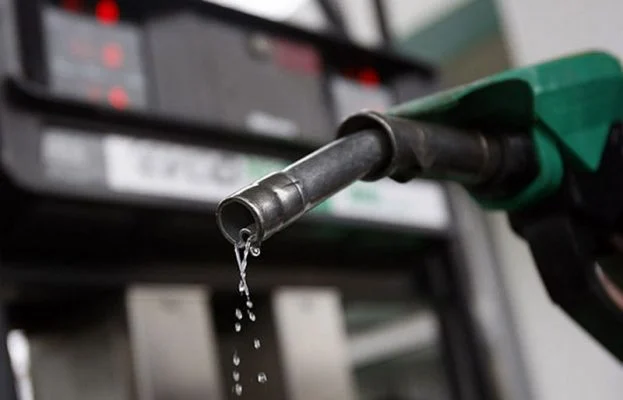
Nigeria could soon see petrol retail prices exceed ₦1,050 per litre following a fresh price adjustment by the Dangote Petroleum Refinery, which has raised its gantry price for Premium Motor Spirit (PMS) to ₦995 per litre. The development represents a significant increase of ₦221 within just four days, highlighting the volatility currently affecting the country’s downstream petroleum market.
A senior official at the refinery confirmed the price adjustment on Friday night, explaining that the revision was necessary due to recent shifts in global oil market fundamentals and increasing operational costs.
According to the official, who spoke on condition of anonymity, the refinery’s latest gantry price now stands at ₦995 per litre. This new figure marks a steep rise from the ₦874 per litre price that had been introduced earlier in the week after the refinery initially increased its ex-depot price from ₦774 per litre.
The rapid succession of price hikes means that petrol prices from the facility have climbed from ₦774 to ₦995 within a four-day period. Market observers say such a sharp increase could have immediate implications for retail pump prices across the country.
Checks on the industry monitoring platform Petroleumprice.ng confirmed that the updated gantry price had already been reflected on the portal. Analysts believe this signals a shift in domestic downstream pricing benchmarks that marketers across Nigeria often rely on when adjusting pump prices.
With the new gantry price now close to ₦1,000 per litre, industry experts warn that petrol could soon sell above ₦1,050 per litre in several parts of the country. The final retail price will depend on transportation costs, marketers’ profit margins, and regional logistics expenses.
The price review also followed a temporary suspension of petrol loading operations at the refinery. Industry sources disclosed that truck-out activities were halted around 2:00 a.m. on Friday, creating uncertainty among depot owners and bulk fuel marketers regarding the refinery’s next pricing direction.
Historically, pauses in petrol loading at the facility have often preceded price changes, prompting speculation among marketers that another adjustment could occur.
Officials at the Dangote refinery have consistently defended their pricing approach, maintaining that petrol prices cannot be set arbitrarily. According to the company, prices are determined by several external factors, including global crude oil prices, logistics costs, and overall operational realities within the refining process.
In a statement issued earlier in the week, the refinery explained that its pricing model reflects Nigeria’s transition to a fully deregulated downstream petroleum sector. In such a market, petrol prices are primarily influenced by international crude oil prices, foreign exchange fluctuations, and supply-demand dynamics.
The refinery also noted that it has absorbed about 20 percent of rising operational costs in an effort to reduce the financial burden on the domestic market.
Meanwhile, data released by the Major Energies Marketers Association of Nigeria (MEMAN) indicates that imported petrol remains cheaper than the product currently being supplied by the Dangote refinery.
According to MEMAN’s figures, Dangote’s petrol gantry price earlier stood at ₦874 per litre, while the landing cost of imported petrol was estimated at ₦809.37 per litre. This created a price difference of roughly ₦64 between the locally refined fuel and imported alternatives.
The association also reported a similar trend in diesel pricing. Dangote’s diesel price was listed at ₦1,169.42 per litre, compared to ₦1,125.70 per litre for imported diesel.
Industry stakeholders attribute the current pricing pressure partly to rising global crude oil prices amid escalating geopolitical tensions in the Middle East. Analysts warn that such international developments often ripple through global energy markets, ultimately affecting fuel prices even in oil-producing countries like Nigeria.
For millions of Nigerians already grappling with high living costs, the possibility of petrol selling above ₦1,050 per litre could further intensify economic hardship. Transportation costs, food prices, and general inflation are all likely to feel the impact if pump prices climb significantly in the coming days.
As Nigeria continues its transition to a deregulated petroleum market, the coming weeks may determine whether fuel prices stabilize or continue their upward trajectory.


Responses