United States Set to Reintroduce $15,000 Visa Bond for Some Foreign Travelers


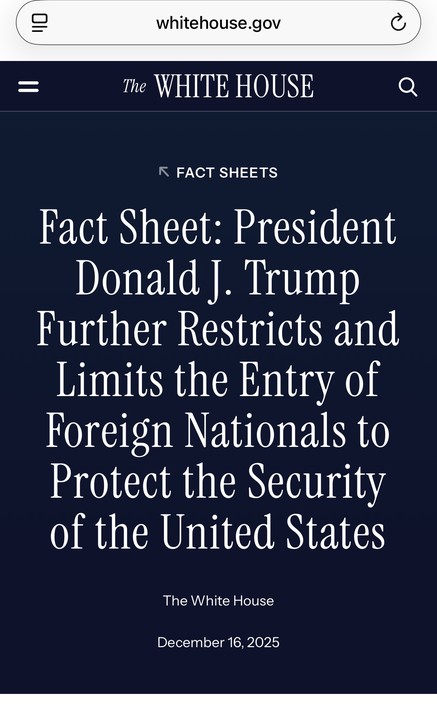
Traveling to the United States may soon become significantly more expensive and complicated for visitors from certain countries, as the U.S. government prepares to bring back a controversial visa bond policy. This policy, which was first floated during the administration of former President Donald Trump, would require some travelers to pay a refundable bond of up to $15,000 before being allowed entry into the country.
The move is part of an ongoing effort to reduce the number of people who overstay their visas and remain in the country unlawfully. While the U.S. government says this measure is meant to encourage compliance with visa regulations, critics believe it could send an unfriendly message and place travel out of reach for many honest visitors.
The revived program will specifically target individuals applying for short-term travel under B-1 and B-2 visas, which cover business trips and tourism. Travelers from countries labeled as “high-risk” due to their historical visa overstay rates will be the most affected. The exact list of countries has not yet been released, but U.S. officials say it will be published at least two weeks before the policy goes into effect.
According to the U.S. State Department, the bond program will be implemented through a pilot phase lasting 12 months. The rule will officially be published in the Federal Register, after which it will take effect 15 days later. This allows for a 30-day window for governments, travelers, and the travel industry to prepare for the changes.
At the core of the policy is a financial guarantee that serves as a form of insurance for the U.S. government. Travelers who are flagged by consular officers may be required to post a bond — an upfront payment that could be as high as $15,000 — before they are issued a visa. The bond is refundable, but only if the traveler abides by all the terms of their visa, including leaving the country on or before the expiration date. If the traveler overstays or violates their visa conditions, the bond will be forfeited.
Government officials are emphasizing that this is not a revenue-generating policy. Instead, it is designed as a deterrent to discourage travelers from staying in the country illegally. However, many observers worry that the cost of the bond will be too burdensome for travelers from lower-income countries. For families planning vacations or loved ones hoping to visit relatives, the requirement could be financially overwhelming.
One immigration advocate explained that the policy may create a two-tier travel system — one where citizens of wealthy nations continue to travel freely, while those from economically disadvantaged or politically unstable countries face extra scrutiny and financial demands. She added that while the bond is refundable, the reality is that not everyone can afford to tie up such a large sum of money for the duration of their trip.
The U.S. government has long struggled to control visa overstays, which remain a key issue in immigration enforcement. According to reports from the Department of Homeland Security, tens of thousands of visitors each year fail to leave the country when their visa expires. This not only adds to the number of undocumented immigrants but also makes it more difficult to manage national security and immigration processes fairly.
In addition to addressing overstay concerns, the visa bond program is also seen as a response to countries that the U.S. government considers to have weak identification systems or security screening procedures. Officials have also expressed concern about nations that offer citizenship through investment programs with little or no residency requirements. These factors, they argue, make it more difficult to track individuals and enforce immigration rules effectively.
The consular officers at U.S. embassies and consulates abroad will have significant discretion when deciding whether or not a bond is necessary for a particular traveler. This means not every applicant from a flagged country will be required to pay the bond. However, the uncertainty alone may discourage many people from even applying, particularly if they are unsure whether they can afford the added cost.
For business travelers, especially small entrepreneurs and startup owners who frequently travel for meetings, conferences, and networking, the policy could create unnecessary barriers. Business associations and trade groups have raised concerns that the added financial requirement may slow down commerce and damage relationships with key international partners.
Families are also likely to be affected. Many people travel to the U.S. to visit children in school, attend weddings or funerals, or spend holidays with relatives. A policy that demands an extra $15,000 before boarding a plane could make such trips impossible for a large segment of potential visitors.
Despite the criticism, U.S. officials argue that the pilot program will provide valuable data on the effectiveness of financial bonds in improving compliance with visa rules. They plan to monitor the program closely over the course of its one-year trial period and make any necessary adjustments based on its performance.
For now, the best advice for travelers is to stay informed. As soon as the list of affected countries is released, those considering a trip to the United States should check whether they may fall under the new rule and begin preparing for any financial or procedural changes that could come with it.
This policy, while still temporary, represents a clear shift toward stricter immigration controls and more cautious visitor vetting. Whether it achieves its goal of reducing visa overstays without unfairly penalizing honest travelers remains to be seen.
One thing is certain, for many would-be visitors, the journey to the U.S. could soon come with a much higher price tag and a lot more uncertainty.


Responses