AI-powered ads reshape entertainment industry

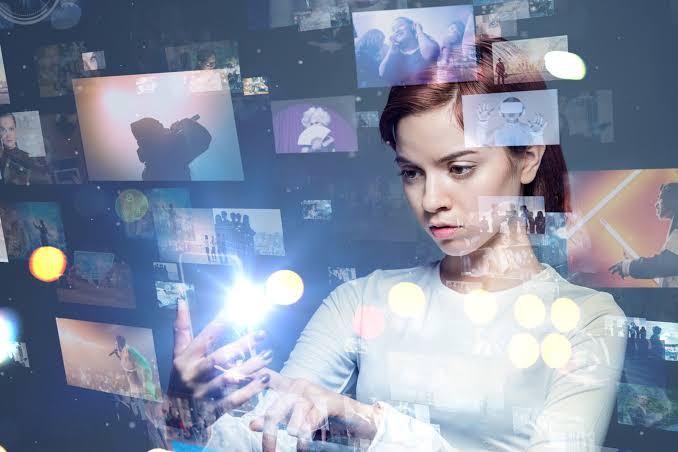
The global entertainment industry is experiencing one of its biggest transformations in years, and at the heart of it is artificial intelligence. For decades, the way people consumed entertainment relied on traditional advertising, whether it was billboards, posters, TV commercials, or simple product placements. Today, the story has changed. Entertainment has shifted online, and streaming, gaming, and digital media have taken center stage. This shift means brands are also rethinking how they connect with audiences, and AI-powered advertising has become the tool driving this change.
Artificial intelligence has moved beyond being just a buzzword. It is now the backbone of how companies in music, film, television, and gaming reach their target audience. Unlike traditional ads that showed the same message to everyone, AI tools study patterns in people’s behavior, such as what songs they listen to, what shows they binge-watch, and even what time of the day they are most active online. With this insight, ads are no longer generic. Instead, they are tailored to individual viewers in a way that feels personal, almost as if the ad was designed specifically for them.
The rise of connected television has made this trend even stronger. Streaming platforms are now offering ad-supported subscriptions, and brands are seizing the opportunity to connect with audiences who spend hours watching series and films online. The ads you see during your favorite shows are carefully chosen based on your preferences. If you are watching a sports documentary, for instance, AI might place ads about sneakers or fitness products instead of showing random commercials. This is why many viewers are beginning to notice that their ads feel more relevant, though some find it a little too precise.
Gaming is another area where AI-powered ads are making a big impact. The global gaming industry is worth billions of dollars, and players spend long hours immersed in virtual worlds. Rather than interrupting the gameplay with traditional ads, developers are using AI to integrate subtle in-game advertising. Billboards inside games might display real-life brands, or items could be customized based on the player’s interests. This creates a seamless experience where entertainment and marketing merge, while giving brands new ways to engage with young, tech-savvy audiences.
For the entertainment industry, this technology has opened up new streams of revenue. Music platforms, for example, can now predict which listeners are likely to buy concert tickets or merchandise and target them with offers at the right moment. Film studios can market upcoming releases directly to audiences who have shown interest in similar genres. Even social media platforms, where influencers and content creators play a huge role, are powered by AI algorithms that decide what posts or ads appear on a user’s feed. This explains why many creators are partnering with AI-driven ad companies to maximize reach and earnings.
Of course, this transformation comes with challenges. Privacy concerns are at the center of debates around AI-powered advertising. Many people are worried about how much data is being collected from their online activity. Questions about consent, data protection, and whether AI can sometimes cross ethical boundaries remain topics of global discussion. Regulators are paying attention, and different countries are setting rules to make sure personal data is not abused in the rush to personalize ads.
Still, the advantages of AI in advertising are difficult to ignore. For brands, it means less wasted spending on campaigns that don’t reach the right audience. For entertainment companies, it means more precise ways to monetize content. And for audiences, while the idea of being tracked can feel uncomfortable, it also means fewer irrelevant ads and more meaningful engagement with products and services they are likely to care about.
Industry analysts believe that the fusion of AI and entertainment will continue to grow in the coming years. As streaming platforms compete for subscribers, ad-supported models will become more common, giving AI an even bigger role. Live events, such as global concerts and sports tournaments, are also adopting AI-driven ad placements to reach massive audiences worldwide. Even virtual reality and augmented reality platforms are exploring how to blend immersive entertainment with personalized ads that don’t feel intrusive.
The entertainment industry thrives on capturing attention, and with so many options available to audiences, competition is fierce. Artificial intelligence is now the secret weapon helping brands and creators cut through the noise. By turning data into insight and insight into action, AI is reshaping how entertainment is consumed and monetized. It is no longer about broadcasting one message to millions, but about delivering millions of unique messages tailored to each individual.
As the world becomes more digital, AI-powered advertising is proving to be one of the most significant forces redefining the future of entertainment. It is shaping what audiences see, how they engage, and even how companies tell their stories. The transformation is far from complete, but one thing is certain: entertainment and advertising will never be the same again.





Responses