India Bans Online Gambling

India has taken a decisive step by passing a comprehensive law that bans online gambling across the country. This move comes after alarming government data revealed that approximately 450 million people were losing a staggering combined total of $2.3 billion each year on gambling apps. The new legislation targets a broad range of online gambling platforms, including card games, poker, and fantasy sports apps, the latter of which are especially popular in India thanks to homegrown fantasy cricket apps that have millions of users.
The government highlighted the seriousness of the issue by pointing out that nearly one-third of India’s vast population had been affected by losses related to online gambling. The bill, officially named the Promotion and Regulation of Online Gaming Bill, was passed by both houses of the Indian parliament late on a Thursday evening. Under the new law, offering, promoting, or financing online gambling activities is now a criminal offense, with violators facing up to five years in prison.
Officials described the law as a crucial measure to tackle the negative impacts caused by predatory gaming platforms.
These platforms often lure people with false promises of quick wealth, but instead, many players end up caught in cycles of addiction, financial hardship, and social distress. The government emphasized that the legislation was designed to protect individuals and families from these damaging consequences.
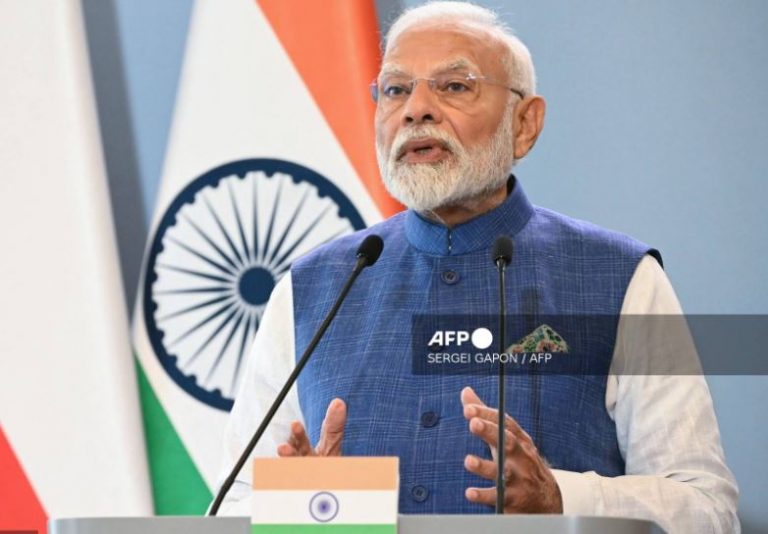
Despite the crackdown on gambling, the bill makes important exceptions for certain types of online gaming. Competitive e-sports and educational games are explicitly excluded from the ban, as the government wants to encourage the growth of these sectors as part of India’s expanding digital economy. Prime
Minister Narendra Modi himself stated that the law aims to promote e-sports and online social games while safeguarding society from the harmful effects of online gambling and betting.
Industry groups had initially called for a more balanced approach, advocating for regulation and taxation rather than a full ban. They warned that a complete prohibition might push players towards illegal and unregulated offshore platforms, which could be even harder to monitor. Nevertheless, supporters of the legislation argue that the social costs of online gambling are simply too high to ignore, and immediate action was necessary.
Government officials have pointed out that the rapid expansion of gambling platforms has had devastating consequences for many Indians, leading to widespread financial distress and addiction. There have even been reports linking the increase in gambling activities to cases of suicide. Beyond the personal toll, the government also warned that online gambling has been exploited for criminal purposes, including fraud, money laundering, and even financing terrorism.
Ashwini Vaishnaw, India’s Minister of Technology, explained that the law carefully distinguishes between different types of
online games. It encourages safe and constructive digital recreation like e-sports and educational games, which can provide entertainment and learning opportunities. At the same time, it draws a firm line against games involving betting, gambling, and fantasy money where users are often misled into thinking they can profit quickly.
A government briefing noted that this differentiation aims to protect citizens from being exploited by deceptive gambling schemes, while still fostering an environment that supports innovation and positive digital engagement. The bill represents a major regulatory shift in India’s booming gaming
industry, one of the largest markets worldwide.
The ban is a clear signal from the Indian government that it prioritizes the well-being of its citizens over unchecked commercial interests in the gambling sector. It acknowledges the need to balance technological progress with social responsibility, creating policies that shield vulnerable populations from harm while encouraging growth in legitimate digital industries.
As this law takes effect, it will be important to watch how it shapes the gaming landscape in India. There will likely be challenges in enforcement and ongoing debates about the best ways to regulate online entertainment. However, this bold legislative move shows India’s commitment to addressing the darker side of digital innovation and protecting its people from the pitfalls of unchecked online gambling.


Responses