Tinubu Under Pressure to Review and Drop Controversial Names From Presidential Pardon List

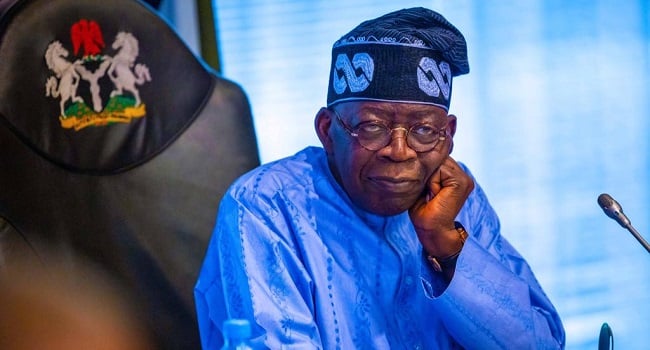
President Bola Tinubu may drop some controversial names from the recently approved presidential pardon list following widespread criticism and opposition from the public and key security agencies.
Sources within the presidency confirmed that the Attorney-General of the Federation and Minister of Justice, Lateef Fagbemi (SAN), has initiated a review of the list amid concerns that some of the beneficiaries were convicted of violent crimes and corruption-related offences.
The initial pardon list, endorsed by the Council of State and presented by Fagbemi, was intended to decongest overcrowded correctional centres and promote national reconciliation. However, it has since sparked outrage due to the inclusion of certain high-profile and violent offenders.
Among those initially listed for clemency were individuals convicted of murder, drug trafficking, kidnapping, and financial crimes. The inclusion of Maryam Sanda—sentenced to death in 2017 for killing her husband, Bilyaminu Bello—provoked particularly strong reactions from the public and civil rights groups. While some members of Bello’s family accepted the pardon, others described it as an affront to justice.
Also featured on the list were Maj. Gen. Mamman Vatsa, Prof. Magaji Garba, Ken Saro-Wiwa and the Ogoni Eight, Herbert Macaulay, and former lawmaker Farouk Lawan. While the posthumous pardons for Saro-Wiwa and the Ogoni Nine drew commendation, the inclusion of convicted kidnappers such as Kelvin Prosper Oniarah raised serious questions about the government’s commitment to security and justice.
The Economic and Financial Crimes Commission (EFCC), Independent Corrupt Practices and Other Related Offences Commission (ICPC), and the National Drug Law Enforcement Agency (NDLEA) are reportedly pushing back against the list, insisting that some names were “smuggled in” without proper clearance from the Presidential Advisory Committee on the Prerogative of Mercy.
A senior presidential aide, who spoke anonymously, confirmed that not all the names passed through the required vetting process. “The EFCC, NDLEA, and other agencies have raised strong objections. Some individuals on the list are linked to serious crimes, and releasing them could undermine ongoing efforts to fight corruption and insecurity,” the source said.
The aide also disclosed that certain names were added by “low-level officials” without the President’s knowledge, prompting a full-scale review. “Some of the convicts are still in custody. No one has been released because the final approval is on hold,” the source added.
Attorney-General Fagbemi, in a statement issued in Abuja on Thursday, confirmed that the clemency process has not been concluded. He explained that the President’s approval is still subject to final administrative scrutiny to ensure that only eligible individuals benefit.
“The process remains at the final administrative stage, which includes a standard review to ensure compliance with legal and procedural requirements before any instrument of release is issued,” Fagbemi said.
He emphasized that the current review was not a delay but a safeguard to prevent errors and maintain the integrity of the justice system. “The rule of law does not rush; it ensures fairness,” he added, acknowledging Nigerians’ vigilance and demand for accountability.
Officials familiar with the matter revealed that the presidency intends to prune the list, removing names that may pose security threats or compromise public confidence. “Only those who genuinely deserve the President’s mercy will be retained,” one top government source said.
The controversy surrounding the pardon list has once again reignited debate over Nigeria’s pardon process and the balance between mercy and justice. Many civil rights advocates argue that political influence often taints clemency decisions, leading to public distrust in government institutions.
As the presidency continues its review, Nigerians await clarity on who will ultimately benefit from Tinubu’s prerogative of mercy — and whether this exercise will set a new standard for transparency or reinforce long-standing skepticism about the nation’s justice system.




Responses