Nigerians Expect Results, Not Excuses — President Tinubu Charges Service Chiefs to Deliver on Security

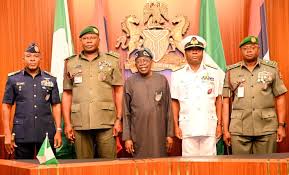
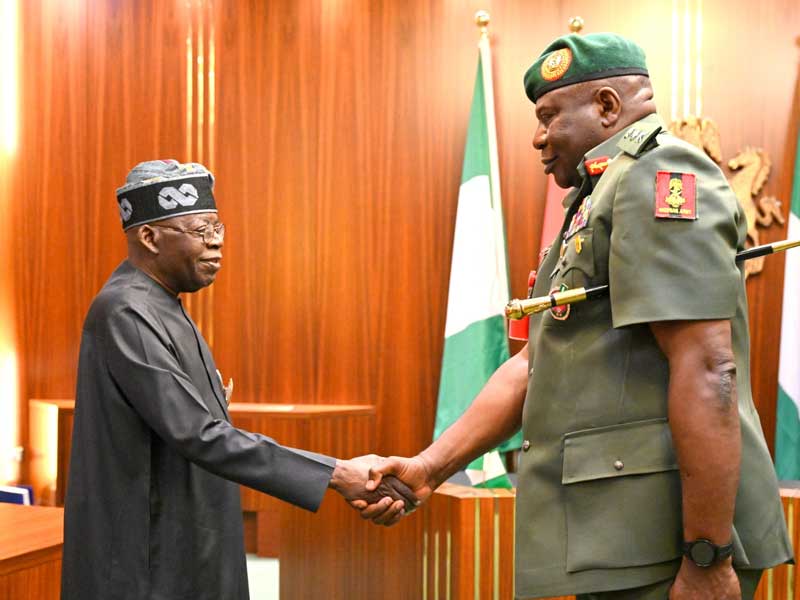
In a strong and unambiguous message to Nigeria’s top military leadership, President Bola Ahmed Tinubu has called on the nation’s service chiefs to intensify efforts in the fight against insecurity, declaring that Nigerians are tired of excuses and are now demanding tangible results. The president made this charge while addressing members of the armed forces at a high-profile event attended by top government officials, defense chiefs, and members of the National Security Council.
President Tinubu emphasized that the responsibility of protecting the lives and property of Nigerians rests squarely on the shoulders of the armed forces, and therefore, there can be no room for complacency. “I charge you, as the heads of our nation’s armed forces, to carry out your duties with patriotic zeal. Nigerians expect results, not excuses,” he declared. His words resonated with the public mood, as many citizens have grown increasingly frustrated with the persistent wave of violence, kidnappings, and terrorism in different parts of the country.
The president commended the military for their ongoing sacrifices and achievements in combating insurgency, particularly in the North-East, where major strides have been made in reclaiming territories previously controlled by Boko Haram and other terror groups. According to Tinubu, these efforts have “restored peace to many areas previously under siege, rescued countless kidnapped citizens, and significantly diminished the capacity of the terror groups.”
However, Tinubu maintained that the battle is far from over. He stressed that the country continues to face new forms of security challenges, especially in the North-West, North-Central, and parts of the South, where armed groups and bandits have continued to terrorize communities. The president expressed concern over the emergence of these new criminal elements, describing them as “new snakes” that must be “smashed right in the head” before they grow into greater threats.
“Of grave concern to our administration is the recent emergence of new armed groups in the North-Central, North-West, and parts of the South. We must not allow these new threats to fester. We must be decisive and proactive,” Tinubu warned. His statement underscores his administration’s resolve to adopt a more aggressive and intelligence-driven approach to tackling insecurity nationwide.
The president’s message also served as a reminder of his campaign promise to restore peace and stability across the country. Since assuming office, Tinubu has undertaken several security reforms, including the appointment of new service chiefs, restructuring of the defense hierarchy, and the creation of inter-agency task forces aimed at improving coordination between security agencies.
Reactions to Tinubu’s statement have been mixed among Nigerians. While some commend the president for setting a firm tone and holding the military accountable, others argue that the commander-in-chief himself must also take responsibility for delivering results. Critics maintain that effective leadership goes beyond issuing directives—it requires transparency, adequate funding, and the political will to confront those behind insecurity, even if they are within the corridors of power.
Social media users were quick to react to the president’s speech, with many urging him to lead by example. One commenter remarked, “Nigerians expect results not just from the service chiefs, but from you, Mr. President.” Another said, “The military has done their part; what we need now is strong leadership and good governance to complement their efforts.”
Despite the criticisms, Tinubu reaffirmed his commitment to supporting the armed forces with the resources, intelligence, and logistics necessary to succeed. “As your Commander-in-Chief, I sincerely appreciate your sacrifices, as I have repeatedly acknowledged. But now, more than ever, we must show Nigerians that their sacrifices are not in vain,” he said.
The president’s address reflects the growing urgency for a decisive and coordinated response to insecurity—an issue that continues to affect economic growth, agriculture, education, and daily life in many regions. Whether Tinubu’s latest call will translate into meaningful progress remains to be seen, but one thing is clear: Nigerians are no longer satisfied with promises—they want peace, safety, and real results.



Responses