ADC Faults Federal Government Over Withdrawal of Proposed Fuel Import Tariff, Says Reversal Reflects Poor Policy Planning


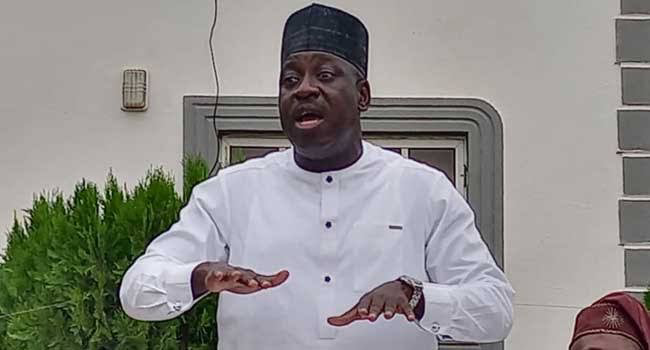
The African Democratic Congress (ADC) has sharply criticised the Federal Government for withdrawing its proposed 15 percent import duty on petrol and diesel, arguing that the reversal demonstrates a lack of thorough policy evaluation and strategic thinking within President Bola Tinubu’s administration. The party made its position known in a statement released on Friday and signed by its National Publicity Secretary, Mallam Bolaji Abdullahi.
According to the statement, the ADC views the sudden U-turn as evidence that the government often announces major economic decisions without adequate consultation or analysis, only to retract them when faced with public outcry or the potential consequences of such policies. Abdullahi described the reversal as part of a larger pattern of inconsistency that has characterised the government’s decision-making process over the past two years.
He recalled that the ADC had originally warned, as far back as October 31, that imposing a tariff on imported petrol and diesel could significantly intensify economic hardship for Nigerian households and businesses already grappling with steep inflation, the effects of fuel subsidy removal, and the depreciation of the naira. The party argued then that the added tax burden would inevitably push pump prices well beyond ₦1,000 per litre, worsening living conditions for millions of Nigerians.
Abdullahi reiterated this concern in the latest statement, noting that higher petrol costs would have a cascading effect on transportation companies, farmers, traders, artisans, and small business owners whose operations depend heavily on fuel. He said that the withdrawal of the policy, though a relief, should not overshadow the troubling frequency with which the government introduces and later reverses major decisions.
“While we welcome the government’s decision to reverse itself on this wrong-headed policy, we remain concerned that this marks roughly the seventh instance within two years where the administration has announced a policy only to immediately backtrack,” the statement read. The ADC added that such inconsistencies undermine public confidence and contribute to economic uncertainty.
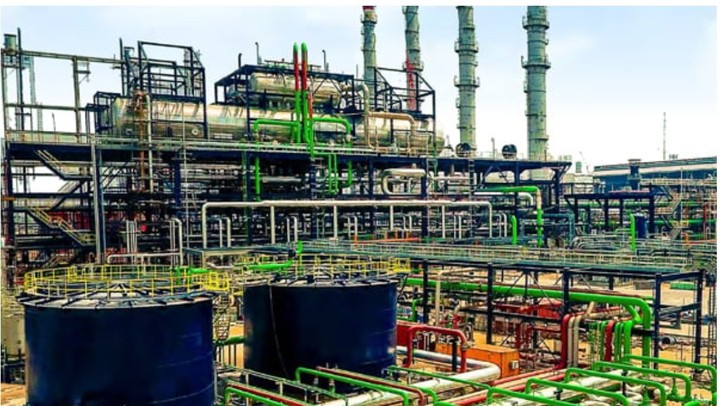
The party also raised questions about why such a tariff was being considered in the first place when Nigeria’s local fuel production capacity has not yet been adequately stabilised or expanded. The ADC argued that imposing import duties without ensuring reliable local supply would only expose citizens to further volatility and price increases.
Furthermore, the party pointed out that several of the same concerns it highlighted in its earlier warnings to the government were later echoed by federal officials as justification for the policy reversal. This, according to Abdullahi, suggests that key decisions may be made without comprehensive internal review or coordinated assessment across relevant ministries and agencies.
The ADC said the situation was further aggravated by contradictory statements issued by different government bodies following the reversal. According to the party, while one agency claimed the tariff had only been suspended, another insisted it had been fully abandoned. The conflicting explanations, it said, point to a lack of communication and cohesion within the administration.
The party maintained that these repeated flip-flops portray a government operating without a clear strategic direction, relying instead on trial-and-error methods that risk destabilising the economy and eroding public trust.
Abdullahi stressed that Nigerians deserve a leadership that approaches economic governance with diligence, clarity, and foresight. He urged the Federal Government to adopt a more structured policy design process grounded in serious consultation, data-driven analysis, and long-term planning rather than reactive, short-term decision-making.
The ADC reaffirmed its commitment to representing the interests of ordinary Nigerians, pledging to consistently oppose policies that could further strain the living conditions of citizens or deepen economic hardship.



Responses