Russia and Ukraine Conduct Another Uneven Exchange of Fallen Soldiers Under Istanbul Agreements

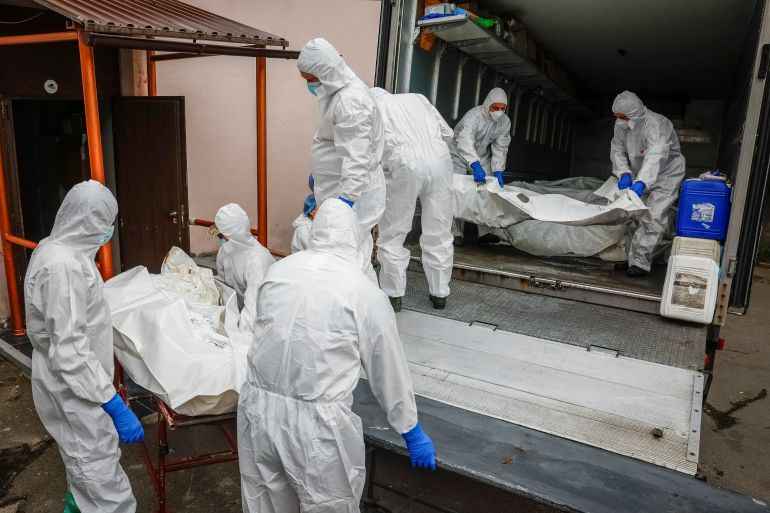
Russia and Ukraine have carried out another exchange of the bodies of soldiers killed in the ongoing conflict, highlighting both the human cost of the war and the limited areas where cooperation between the two sides still exists. The latest exchange was conducted under agreements previously reached in Istanbul, Türkiye, according to Russian officials and international media reports.
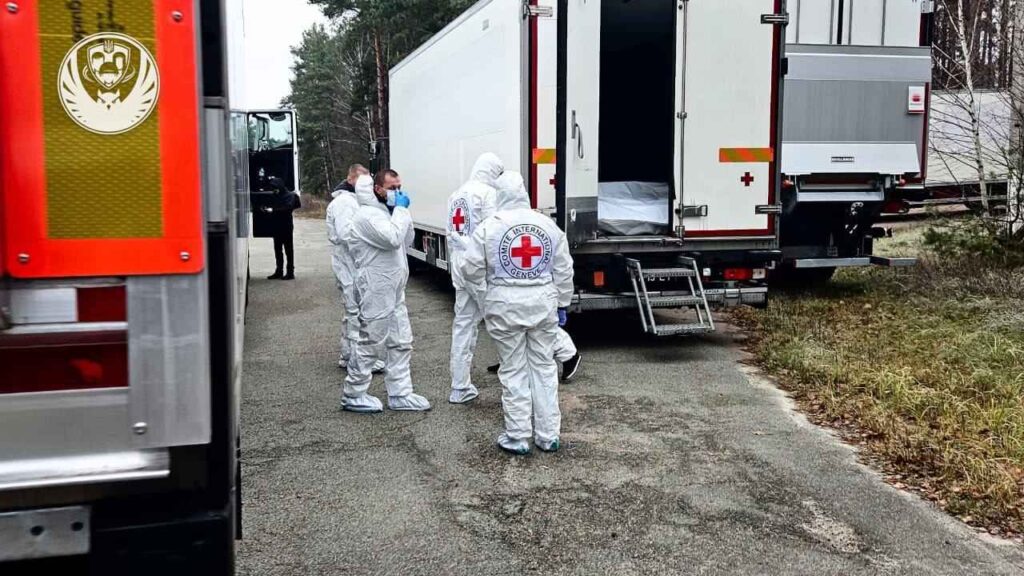
Russian presidential aide Vladimir Medinsky announced that Ukraine received the bodies of 1,000 Ukrainian servicemen, while Russia took custody of the remains of 26 Russian soldiers. The exchange, Medinsky said, was carried out in accordance with humanitarian understandings negotiated earlier this year, aimed at allowing both sides to recover their fallen personnel and provide families with closure.
Medinsky recalled that this was not the first exchange conducted under the Istanbul framework. In late October, Russia transferred the bodies of 1,000 Ukrainian soldiers to Kyiv, while Ukraine returned 31 Russian servicemen. These exchanges, though starkly uneven in numbers, have become one of the few consistent points of contact between Moscow and Kyiv since broader peace negotiations collapsed.
The Istanbul arrangements focus specifically on humanitarian issues such as prisoner swaps, the return of remains, and limited confidence-building measures. While they fall far short of a ceasefire or political settlement, observers say they demonstrate that communication channels between the two warring sides remain open, even as fighting continues along multiple fronts.
The lopsided figures in the exchange have sparked intense debate and speculation, particularly on social media, where commentators on both sides have used the numbers to advance competing narratives about battlefield momentum and casualty rates. However, military analysts caution against drawing simple conclusions from body exchanges alone.
Experts note that the number of remains handed over does not necessarily provide a clear picture of total losses on either side. Control of territory plays a major role in determining which army is able to recover fallen soldiers. Forces that hold or rapidly seize contested areas are more likely to retrieve their dead, while troops forced to withdraw often leave behind bodies that may later be recovered by the opposing side.
In addition, many casualties occur as a result of artillery fire, drone strikes, and long-range weapons, making immediate recovery difficult or impossible regardless of which side ultimately controls the ground. As a result, body exchanges often reflect battlefield dynamics, logistics, and timing rather than definitive casualty ratios.
The ongoing war, now stretching into its third year, has exacted a devastating toll on both nations. Tens of thousands of soldiers are believed to have been killed or wounded, while millions of civilians have been displaced. Entire cities and towns have been damaged or destroyed, and the conflict has reshaped political, economic, and security realities far beyond Ukraine’s borders.
Despite continued fighting, humanitarian exchanges such as this one underscore a shared recognition of the need to respect certain norms even in war. Returning fallen soldiers allows families to grieve, conduct burial rites, and receive official confirmation of loss—an important step in societies where thousands remain missing.
International organizations and mediators, including Türkiye, have repeatedly urged both sides to expand humanitarian cooperation as a foundation for broader dialogue. However, prospects for a comprehensive peace agreement remain uncertain, with both Moscow and Kyiv maintaining hardline positions and accusing each other of prolonging the conflict.
As the war grinds on, the repeated exchanges of bodies serve as a grim reminder of the cost of continued hostilities. While political leaders debate strategy and outcomes, the steady return of fallen soldiers reinforces a sobering reality: regardless of claims of victory or defeat, the conflict continues to consume lives at an alarming rate.
For now, humanitarian exchanges remain one of the few tangible outcomes of diplomacy between Russia and Ukraine—limited, painful, and deeply symbolic of a war that has yet to find an end.


Responses