Russia and Ukraine Conduct Major Exchange of Fallen Soldiers Amid Stalled Peace Efforts

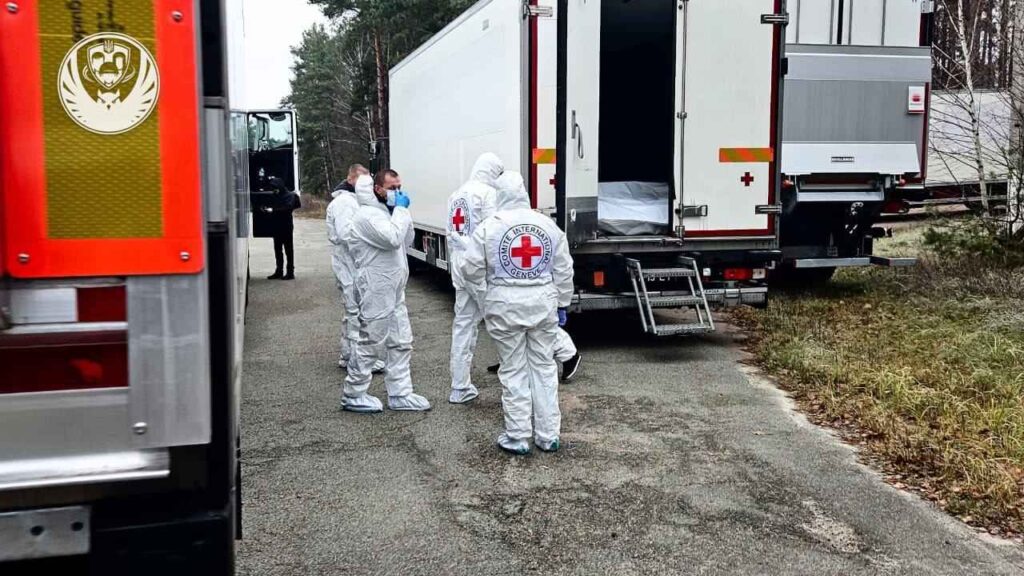
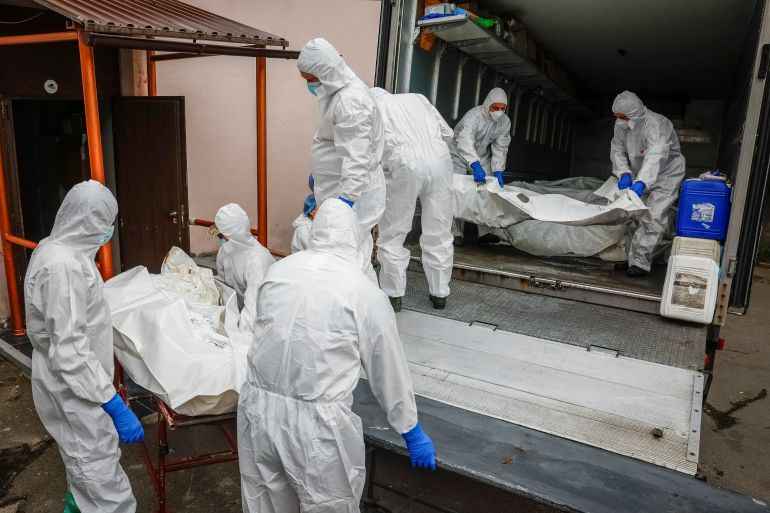
Russia and Ukraine have completed a new exchange of the bodies of fallen soldiers, marking one of the largest such operations conducted since the full-scale war began in February 2022. Both sides confirmed the development on Thursday, underscoring the continuing human cost of a conflict now deep into its fourth year with no political resolution in sight.
According to the Ukrainian Coordination Headquarters for the Treatment of Prisoners of War, Ukraine received the remains of 1,000 deceased service members. In contrast, Russian state news agency TASS, citing an unnamed government source, reported that Russia recovered 30 bodies from the exchange. The sharp disparity in figures immediately drew public commentary and renewed debate over casualty estimates on both sides.
Ukrainian authorities emphasized that the primary focus now is the identification and dignified handling of the returned bodies. “Investigators from law enforcement bodies, together with expert agencies of the Ministry of Internal Affairs, will soon conduct all necessary examinations and identify the repatriated bodies,” the coordination centre stated on its official Telegram channel. The meticulous process of identification often involves DNA testing, forensic analysis, and coordination with families, many of whom have been waiting months—if not years—for closure.
Despite the brutal and unrelenting nature of the conflict, Russia and Ukraine have maintained occasional cooperation on humanitarian grounds, particularly in exchanging prisoners of war and recovering remains. Scores of such exchanges have taken place since 2022, even as active combat continues across the front lines from Kharkiv to Donetsk to the southern Zaporizhzhia region.
Peace Talks Frozen as Battlefield Losses Mount
While both nations continue to engage in humanitarian exchanges, formal peace negotiations remain completely stalled. The last face-to-face meeting between Russian and Ukrainian negotiators occurred on July 23, during a brief 40-minute session in Istanbul that yielded no substantive progress. Since then, diplomatic channels have largely frozen, with neither side willing to make concessions seen as politically or militarily disadvantageous.
Amid the deadlock, geopolitical tensions deepened on Thursday when several European governments rejected a reported U.S.-backed proposal calling for Ukraine to cede additional land and accept partial demilitarization. European officials described such conditions as “unacceptable” and “tantamount to capitulation,” arguing that forcing Kyiv into territorial concessions would not bring lasting peace but instead embolden future aggression.
Public Reactions Highlight Polarization
News of the exchange quickly sparked strong reactions in both countries and online communities worldwide. Critics of Ukraine questioned how Kyiv could claim battlefield success while acknowledging receiving a far larger number of fallen soldiers. Others accused Russian media of exploiting selective data to bolster domestic propaganda narratives.
On Ukrainian platforms, the emphasis remained on honoring the dead, supporting grieving families, and reminding the public of the scale of the sacrifices being made to defend the country. Meanwhile, Russian outlets framed the exchange as evidence of heavy Ukrainian casualties, aligning with Moscow’s narrative that Ukrainian resistance is weakening.
Humanitarian Acts Amid an Unending War
Despite clashing political messages, analysts note that exchanges of the dead underscore a rare, albeit limited, channel of cooperation in an otherwise uncompromising war. International humanitarian organizations have long urged both sides to maintain these operations, citing the Geneva Conventions’ provisions on the respectful treatment of the deceased.
For families across Russia and Ukraine, however, these exchanges are deeply personal events—often the final confirmation of a loved one’s fate. As the conflict enters yet another winter season, the return of bodies serves as a stark reminder that even as the political and military landscape shifts, the human toll continues to climb with no end in sight.



Responses