2023 Kano APC Governorship Candidate Nasiru Gawuna Resigns from Party

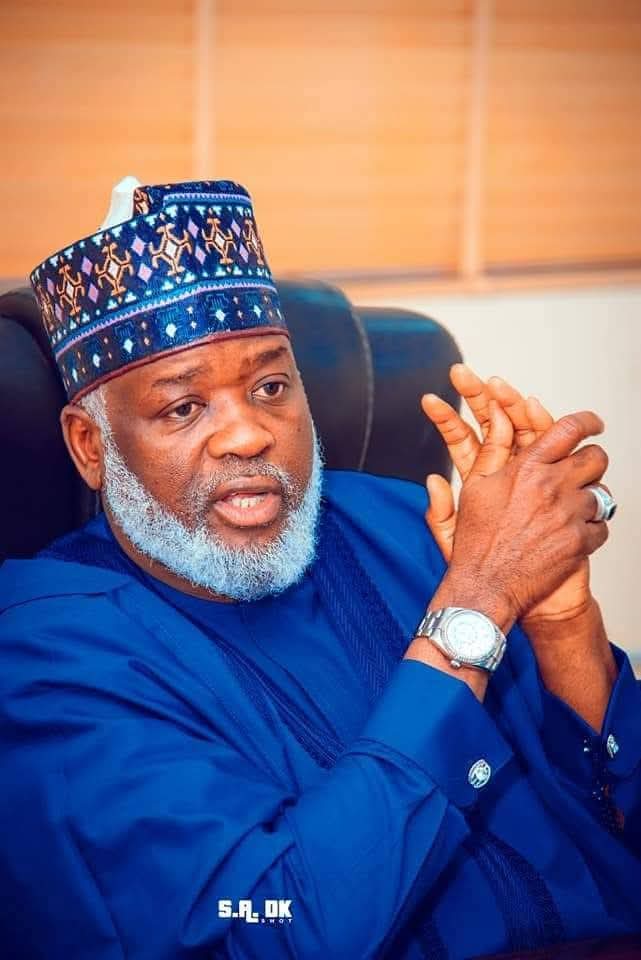
A major political shift may be unfolding in Kano State as Nasiru Yusuf Gawuna, the 2023 governorship candidate of the All Progressives Congress (APC), has reportedly dumped the party.
The development, first reported by Leadership Hausa, has stirred conversations across political circles, especially in Kano, a state known for its strategic importance in Nigeria’s electoral landscape. While details surrounding his resignation remain limited, the move is already being interpreted by many as a sign of deeper cracks within party ranks ahead of the 2027 general elections.
Gawuna, who contested the 2023 governorship election but lost, has remained a notable figure within Kano politics. His exit from the APC is therefore seen as significant, particularly as political realignments begin to gather momentum.
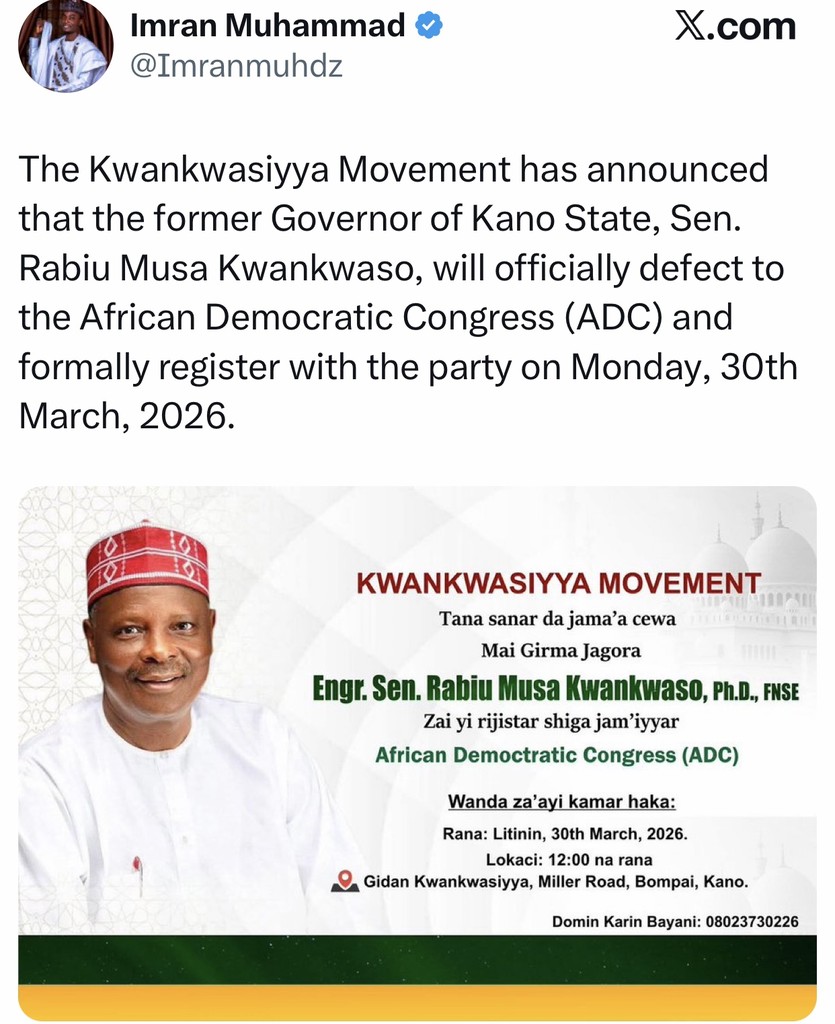
Speculation is rife about his next political move. Some observers believe he may align with another platform such as the African Democratic Congress (ADC) or form new alliances to pursue his political ambitions. Others suggest his decision may be tied to internal party dynamics, including concerns over future ticket allocations and influence within the APC structure.
The political environment in Kano remains highly competitive, with key figures like Abba Kabir Yusuf and Rabiu Musa Kwankwaso continuing to wield considerable influence. Any major defection or realignment involving a figure like Gawuna could significantly reshape the balance of power in the state.
Reactions from the public have been mixed. While some view his departure as a strategic move to revive his political career, others argue it reflects broader dissatisfaction within the APC. A number of commentators also believe more defections could follow, citing internal disagreements and competing interests within the party.
There are also those who downplay the significance of the move, noting that political defections are common in Nigeria and often driven by personal ambition rather than ideology. From this perspective, Gawuna’s exit may simply be part of the usual political cycle as politicians reposition themselves ahead of elections.
Still, analysts point out that such moves can have ripple effects, especially in a politically sensitive state like Kano. With multiple power blocs and influential stakeholders, even a single defection can trigger a chain reaction of alignments and counter-alignments.
As the 2027 elections gradually come into focus, attention will likely shift to Gawuna’s next steps—whether he officially joins another party, builds a coalition, or charts a different political course entirely.
For now, his resignation adds another layer of intrigue to Nigeria’s evolving political landscape, underscoring the fluid and often unpredictable nature of party politics in the country.




Responses