About 100 US Military Trainers Arrive in Nigeria to Boost Counterterrorism Capacity – Defence HQ


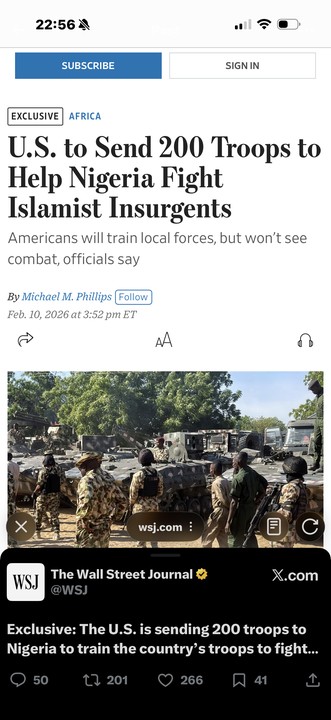
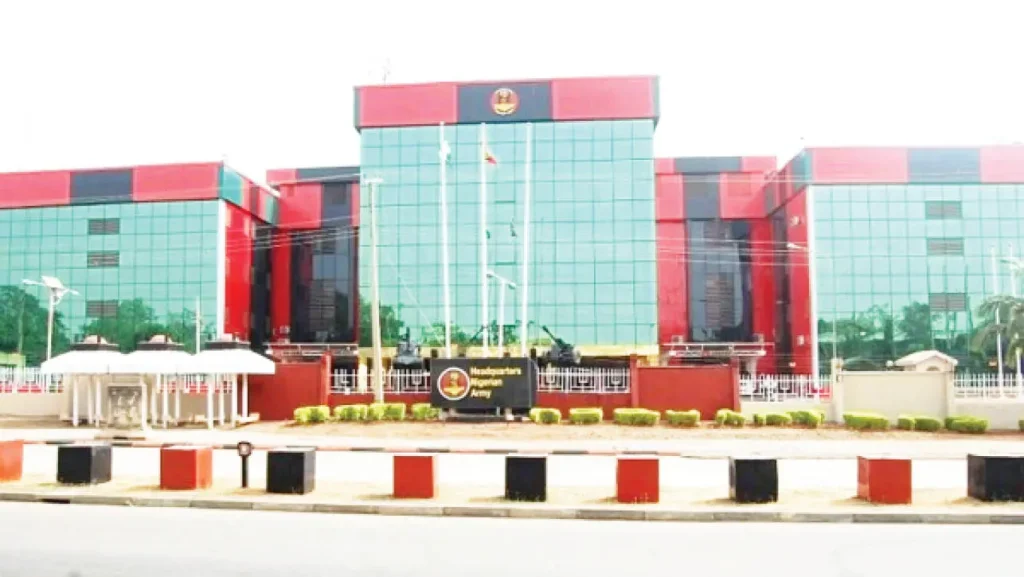
Nigeria’s Defence Headquarters (DHQ) has confirmed the arrival of approximately 100 United States military personnel and associated equipment in the country as part of an expanded bilateral defence cooperation arrangement.
In a statement released on Monday via its official X handle, DHQ announced that the US personnel arrived at Bauchi Airfield to support a clearly defined training and advisory mission for members of the Armed Forces of Nigeria. The deployment, according to the statement, followed formal deliberations between a Nigerian delegation and its US counterpart, culminating in a request by the Federal Government of Nigeria for targeted military assistance.
The Defence Headquarters emphasized that the American personnel are not combat troops but technical specialists serving strictly in advisory and training roles. It clarified that all training activities will be conducted under the authority, direction, and control of the Nigerian government, in close coordination with the Armed Forces of Nigeria.
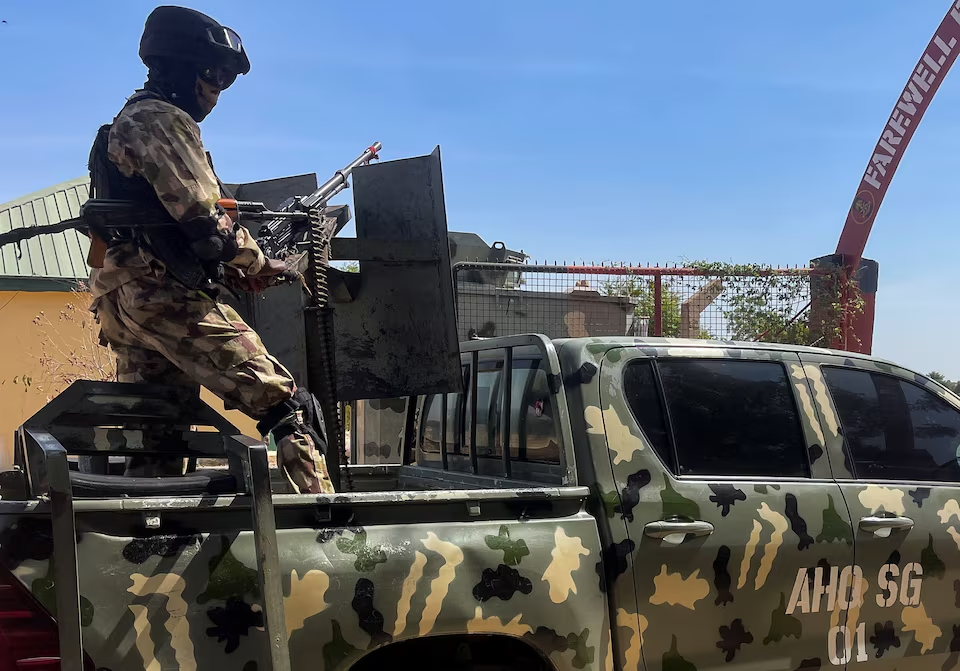
According to DHQ, the collaboration is designed to strengthen Nigeria’s operational capacity in confronting terrorism and violent extremism. The partnership will provide access to specialized technical capabilities, intelligence-sharing mechanisms, and advanced training modules aimed at improving the ability of Nigerian forces to detect, deter, and neutralize terrorist threats.
The statement further noted that joint training engagements and intelligence-focused cooperation initiatives will commence immediately. These activities are intended to enhance operational effectiveness, particularly in protecting vulnerable communities and countering extremist groups seeking to destabilize the country.
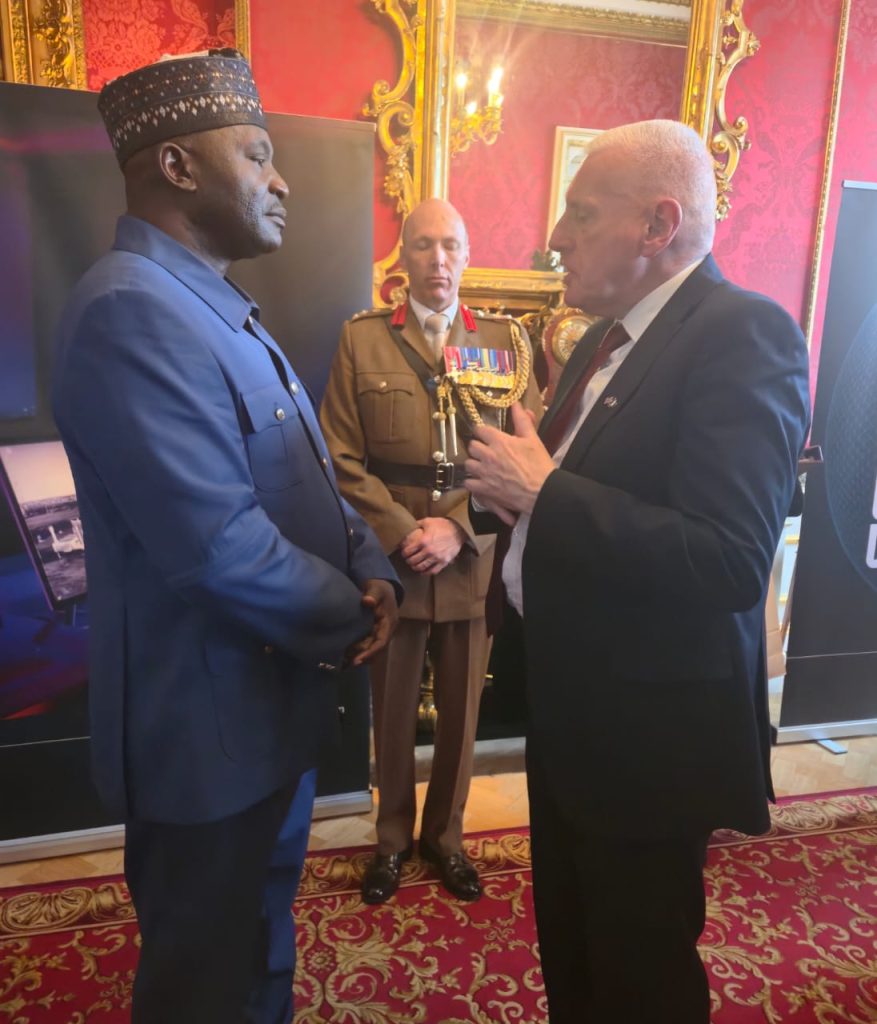
Major General Samaila Uba, Director of Defence Information, assured Nigerians that the Armed Forces remain fully committed to degrading and defeating terrorist organizations threatening national security and sovereignty. He added that DHQ will continue to provide clear, accurate, and timely information regarding the cooperation efforts.
The development has sparked widespread reactions across social media and political circles. Supporters of the initiative welcomed the move, expressing hope that enhanced intelligence collaboration and technical training will improve Nigeria’s fight against banditry, insurgency, and other security challenges.
However, critics questioned whether additional training would translate into measurable improvements on the ground, noting that Nigeria’s military has previously benefited from foreign training programs. Some commentators also raised concerns about transparency, sovereignty, and the long-term strategic implications of foreign military presence, even in an advisory capacity.
Nigeria and the United States have maintained defence cooperation ties for decades, particularly in areas of counterterrorism, maritime security, and professional military education. Previous collaborations have included joint exercises, training exchanges, and equipment support.
Security analysts say the latest deployment reflects Nigeria’s recognition of the evolving nature of asymmetric threats and the need for advanced intelligence capabilities to address them effectively. They argue that modern counterterrorism efforts increasingly depend on intelligence fusion, surveillance technologies, and inter-agency coordination — areas where international partnerships can provide valuable expertise.
As the joint activities begin, public attention will likely focus on whether the enhanced cooperation leads to tangible security gains, particularly in regions affected by insurgency and banditry. For now, the Defence Headquarters maintains that the initiative is a structured, government-led effort aimed at strengthening national defence capacity rather than introducing foreign combat forces into Nigeria’s security operations.


Responses