Abubakar Badaru Resigns as Nigeria’s Defence Minister Amid Heightened Security Tensions

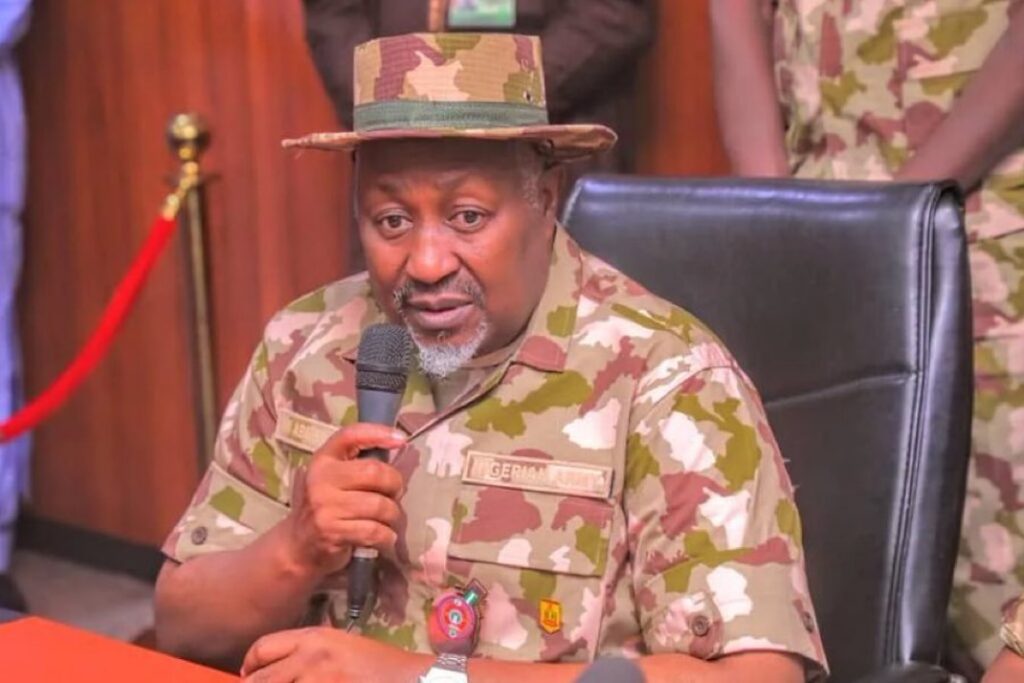
Nigeria’s Minister of Defence, Alhaji Mohammed Badaru Abubakar, has tendered his resignation, bringing an abrupt end to his tenure at a time when the nation is grappling with a rapidly intensifying security crisis. His departure, conveyed through a letter dated December 1 and addressed to President Bola Ahmed Tinubu, took immediate effect and was officially confirmed in a State House press statement issued by Bayo Onanuga, the President’s Special Adviser on Information and Strategy.
According to the letter, Badaru—who is 63 years old and previously served two terms as governor of Jigawa State—stepped down on health grounds. The details of his medical condition were not disclosed, but the presidency emphasized that the decision was voluntary and based solely on concerns about his well-being. President Tinubu, upon receiving the resignation, reportedly accepted it without hesitation and expressed appreciation for Badaru’s service to the country during a particularly volatile period marked by escalating violence, banditry, and insurgency in various regions.
Badaru’s exit is significant not only because of the strategic importance of his office, but also because it comes at a time when President Tinubu has declared what he described as a national security emergency. The administration has indicated that additional measures and a more detailed security framework will soon be announced, suggesting a major overhaul of Nigeria’s defence and internal security architecture.
Appointed on August 21, 2023, Badaru served a little over two years in the role, a position traditionally dominated by former military officers since the country’s return to democratic governance in 1999. His appointment had initially been seen as a major departure from that tradition. Now, with his resignation, many political observers believe the presidency may revert to the established pattern by replacing him with a retired senior military officer—a move that aligns with ongoing speculation within defence and political circles.
Sources within the State House indicate that President Tinubu is expected to formally notify the Senate of his nominee for the now-vacant ministerial position sometime this week. The choice of successor is widely expected to signal the direction of the administration’s renewed counter-insurgency and counter-banditry strategy, especially as Nigerians continue to demand stronger, more decisive military action across the northern states.
Badaru’s resignation also arrives at a moment when the defence sector is under intense public scrutiny. Recent security breaches—including high-profile kidnappings, attacks on rural communities, and controversial operational lapses—have sparked widespread debate about accountability within top government and security circles. Although the presidency maintains that the former minister stepped down for purely personal reasons, the timing has triggered considerable speculation among analysts and citizens alike.
Nevertheless, the official State House statement sought to maintain an atmosphere of stability and continuity. President Tinubu, through his spokesperson, conveyed gratitude to Badaru for his contributions, acknowledging that he served the nation at a time of immense pressure and complex security demands. The president also assured Nigerians that the Ministry of Defence would continue functioning effectively while awaiting new leadership.
As the country watches closely for the announcement of Badaru’s successor, many citizens and stakeholders are hoping for a figure with deep operational experience and the capacity to introduce bold reforms within the military. The ongoing national security emergency declaration underscores the urgency of appointing someone capable of steering Nigeria through one of the most challenging phases in its modern security history.
The coming days are expected to provide clearer insight into President Tinubu’s next steps, as well as the broader implications of Badaru’s departure for Nigeria’s defence strategy moving forward.



Responses