Africa’s Billion-Dollar Startups: Nigeria Leads the Continent’s Tech Revolution


Africa’s tech ecosystem continues to demonstrate remarkable growth and resilience, with several startups across the continent reaching billion-dollar valuations — a milestone that signals the deepening maturity of Africa’s digital economy. Among the top-performing ventures, Nigerian-founded companies dominate the list, underscoring the country’s emergence as a continental innovation hub despite persistent economic and infrastructural challenges.
According to recent data, Wave, a Senegalese-American fintech company, leads with a valuation of $1.7 billion, followed closely by Andela — a Nigerian-American talent-matching platform — valued at $1.5 billion. Other major players include Esusu, a Nigerian-Indian financial inclusion firm, and InterSwitch, a Nigerian fintech pioneer, both valued at $1 billion. Egypt also makes a strong showing with MNT-Halan and Fawry, valued at $1 billion and $611 million, respectively. Nigeria’s Moniepoint, MOOVE, and Sabi also feature prominently, reflecting the country’s continued dominance in Africa’s tech-driven financial sector.
Rounding out the list are Jumia — the pan-African e-commerce giant with Nigerian, Ghanaian, and French ties — valued at $520.4 million, and Kenya’s M-KOPA, a leader in pay-as-you-go solar technology, valued at $325 million.
Nigeria’s Fintech Dominance
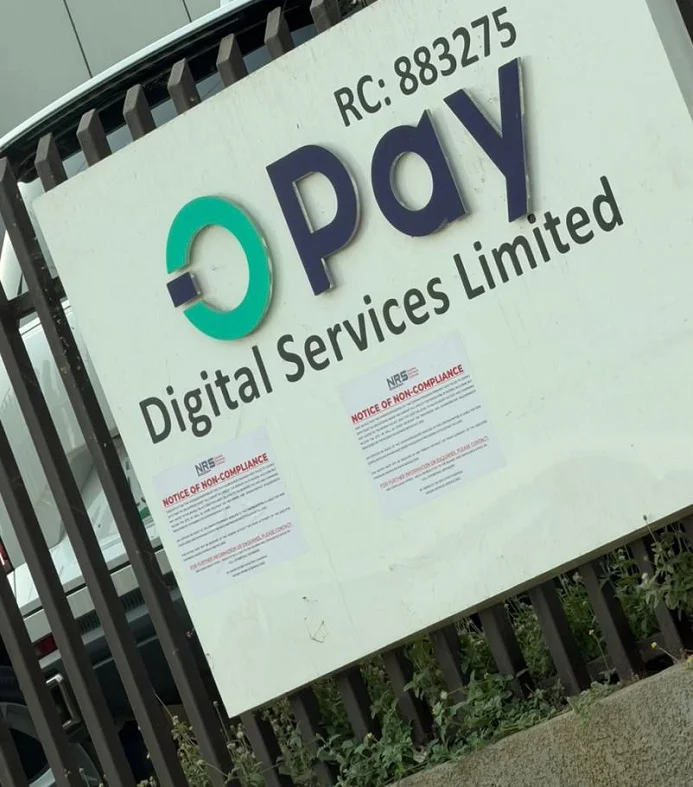
Nigeria’s prominence in the African tech landscape is particularly evident in the fintech sector. Companies like InterSwitch, Moniepoint, Opay, and PalmPay have revolutionized digital payments, lending, and financial access for millions of Africans. This dominance is driven by a young, tech-savvy population, widespread mobile adoption, and an entrepreneurial ecosystem fueled by necessity.
Industry analysts note that Nigeria’s fintech revolution has been accelerated by economic constraints, including limited access to traditional banking and the government’s push toward a cashless economy. The Central Bank of Nigeria’s 2023 cashless policy, though controversial, further drove digital adoption — making platforms like Opay, Kuda, and PalmPay household names.
Public Reactions and Industry Debate
The growth of these startups has sparked significant discussion within Africa’s online communities. Some commentators have praised Nigerian tech entrepreneurs for their creativity and resilience in a challenging business environment. “Nigeria tech guys are doing fantastically well,” one user remarked on a popular online forum, reflecting widespread national pride in the country’s innovation sector.
However, not all reactions have been celebratory. Critics argue that many of these so-called “startups” are now established businesses backed by foreign capital, questioning the originality and sustainability of the Nigerian tech model. As one commenter put it, “Most of these companies are no longer startups. They are businesses.” Another observer pointed out that the majority of these ventures focus narrowly on financial inclusion rather than tackling deeper issues such as healthcare, energy, and education.
Supporters counter that foreign investment is a positive indicator of viability, not dependency. “Attracting foreign finance means there is proof that the startup is economically viable,” a tech enthusiast noted, emphasizing the role of international funding in boosting job creation and skills development across the continent.
A Broader African Perspective
Beyond Nigeria, other African countries are also making their mark. Senegal’s Wave has revolutionized mobile money services, Egypt’s MNT-Halan and Fawry continue to redefine financial access in North Africa, and Kenya’s M-KOPA is tackling energy poverty through solar innovation. Together, these ventures illustrate the diversity of Africa’s startup landscape — from fintech and logistics to e-commerce and clean energy.
The Road Ahead
Despite concerns about overreliance on fintech, Africa’s startup ecosystem remains a powerful driver of economic growth and technological progress. Nigeria, in particular, continues to attract global attention, with investors recognizing the potential of its vast, youthful population and expanding digital infrastructure.
As Africa’s billion-dollar startups scale new heights, the challenge moving forward will be fostering innovation that extends beyond finance — into healthcare, agriculture, energy, and education — to build a truly inclusive and sustainable digital future for the continent.



Responses