Blackout Nation: Nigerians Struggle as Power Failures and Soaring Fuel Costs Cripple Daily Life

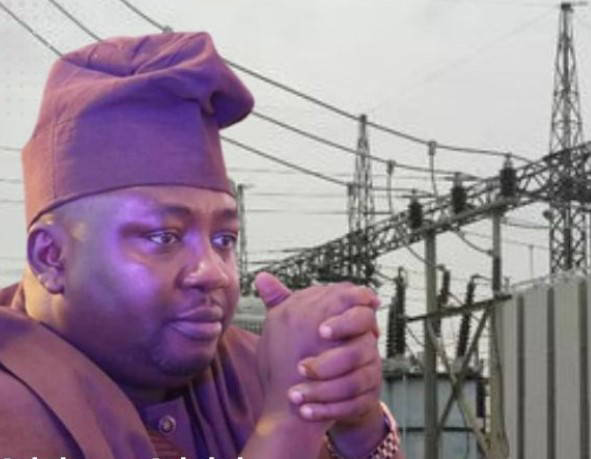
Nigeria’s persistent electricity crisis is taking a harsher toll on citizens and businesses, with unreliable power supply and rising fuel costs combining into a perfect storm of economic strain. Across major cities like Kano, Kaduna, Lagos, and Kwara, millions are grappling with the daily reality of darkness, rising expenses, and shrinking incomes.
For many Nigerians, the promise of stable electricity remains elusive. The recent assurance by the Minister of Power, Adebayo Adelabu, that supply would improve within two weeks has been met with widespread doubt. On the ground, the situation appears to be deteriorating rather than improving.
In Kano, residents describe power supply as nearly nonexistent. Small business owners, in particular, are bearing the brunt. Zahradeen Isa, a trader in second-hand electronics, expressed frustration over receiving electricity bills despite days without supply. Like many others, he has lost confidence in the system.
The crisis is especially severe for small-scale entrepreneurs who rely on electricity for daily operations. Isyaku Mai Kanti, a soft drink vendor, explained that inconsistent power supply forces some traders out of business, while others resort to expensive alternatives. Those who can afford generators often pass the costs on to customers, driving up prices.
Similarly, Kabiru Karaye has turned to buying ice daily to keep his goods from spoiling—an added expense that eats into already thin profit margins.
In Kaduna, residents on higher tariff bands are equally frustrated. Many complain of paying premium rates for electricity they barely receive. Abdulganiyu Alabi, who lives in a Band A area, says he rarely gets up to five hours of power daily despite paying significantly higher tariffs. Others have called for a return to lower bands, arguing that the current system is both unfair and unsustainable.
Lagos, Nigeria’s commercial hub, is not spared. Businesses that once enjoyed relatively stable electricity now report less than five hours of daily supply. For entrepreneurs like Adeolu Adegbaju, the government’s promises feel disconnected from reality. He argues that years of underperformance cannot be reversed within weeks.
For businesses dependent on constant power, the impact is devastating. Moshood Adebola, who operates a cold-chain business, described the outages as economically crippling. Every blackout leads to losses, while the cost of fueling generators continues to rise.
Fuel prices have surged dramatically, with petrol and diesel now selling at record highs. This increase has been linked to global oil price spikes, further compounded by domestic challenges. As a result, running generators—a necessity for many Nigerians—has become increasingly unaffordable.
Energy experts warn that the combined effect of poor electricity supply and high fuel costs is suffocating the economy. Small and medium-sized enterprises, which form the backbone of Nigeria’s economy, are particularly vulnerable. Many are being forced to scale down operations or shut down entirely.
The Nigeria Employers’ Consultative Association (NECA) has also raised alarm over the situation, noting that rising energy costs are driving inflation and increasing the cost of doing business. From transportation to food supply chains, the ripple effects are being felt across every sector.
Despite an official apology from the Minister of Power, many Nigerians remain unconvinced. While acknowledging the hardship caused by the outages, the minister attributed the crisis to factors beyond immediate control and reiterated his commitment to improvement.
However, analysts argue that the challenges facing Nigeria’s power sector are deeply structural and cannot be resolved with short-term promises. Years of underinvestment, infrastructure deficits, and policy inconsistencies have left the system fragile and unreliable.
For ordinary Nigerians, the message is clear: promises are no longer enough. What is urgently needed is tangible, sustained action that delivers reliable electricity and reduces dependence on costly alternatives.
Until then, millions will continue to navigate life in a blackout nation—where every hour without power comes at a steep economic and human cost.



Responses