Chief of Army Staff: Reps Committee grills Oluyede behind closed door

The Purpose of the Closed-Door Session
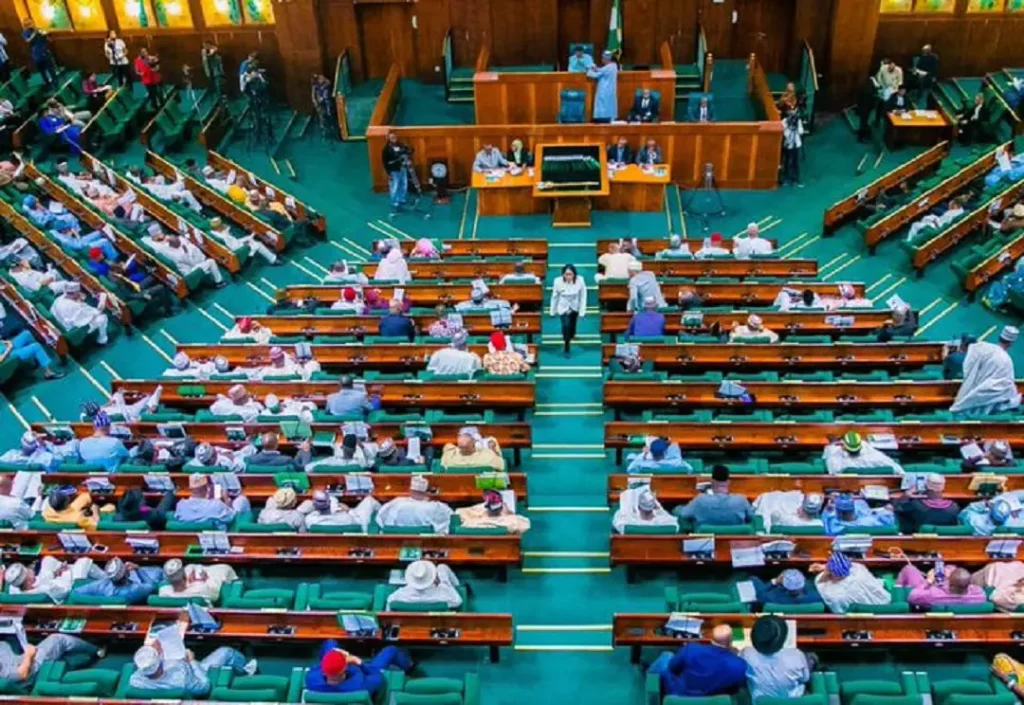
The grilling of Major General Oluyede was part of the ongoing oversight responsibilities of the House of Representatives Committee on Army, which is tasked with ensuring transparency and accountability in the operations of the Nigerian Army. While the exact details of the discussions held in the closed-door session have not been disclosed, it is widely believed that the committee sought to probe critical issues regarding the army’s budget, its handling of security operations, and its preparedness to address the country’s ongoing security challenges.
The Nigerian Army has been at the forefront of counterinsurgency operations, particularly in regions affected by the Boko Haram insurgency, banditry, and other security crises. Given the army’s vital role in maintaining national security, lawmakers must ensure that the military is adequately funded and properly equipped to fulfill its duties. The closed-door session with the Chief of Army Staff is part of the legislative process aimed at scrutinizing the army’s financials and operational effectiveness.
Security Concerns in Nigeria
Nigeria has been grappling with multiple security threats in recent years, including the insurgency by the terrorist group Boko Haram in the northeast, the escalating violence of bandits in the northwest and central regions, and the growing tensions between herders and farmers in various parts of the country. The Nigerian Army, alongside other security agencies, has been actively involved in efforts to combat these threats, but challenges persist in terms of resources, coordination, and the complexity of the security situation.
During the closed-door session, the Committee likely questioned Oluyede about the army’s capacity to effectively tackle these challenges. Given the ongoing insurgency in the northeast, which has displaced millions of people, and the worsening security situation in the northwest and middle-belt regions, the committee may have sought clarification on how the army plans to address these complex issues. Furthermore, concerns about the welfare of the army personnel, as well as the adequacy of their training and equipment, would have been critical points of discussion.
Budget and Funding Issues
One of the main areas of focus during the session was likely the Nigerian Army’s budget allocation and how effectively the funds are being utilized. The Nigerian military’s budget is substantial, and there have been recurring concerns about how well these resources are spent, particularly about the procurement of modern weapons and equipment necessary for effective operations.
In recent years, the Nigerian Army has been calling for increased funding to ensure that it can adequately equip its personnel, improve their training, and address emerging threats. The House of Representatives Committee on the Army plays a crucial role in reviewing the Army’s budget, ensuring that there is no misappropriation of funds, and holding the military leadership accountable for any inefficiencies in the utilization of resources. The grilling of Major General Oluyede likely focused on providing clarity on how these funds are being allocated and whether they are being used effectively to enhance the army’s operational capabilities.
Allegations of Human Rights Violations
Another critical area of concern that may have been addressed during the closed-door session is the issue of human rights violations by military personnel. There have been several reports over the years of human rights abuses committed by the Nigerian Army, particularly in conflict zones where the military is actively engaged in counterinsurgency operations. These allegations have ranged from extrajudicial killings to the illegal detention of civilians.
The Nigerian government, as well as international organizations, have raised concerns about the conduct of security personnel, with some calling for better training on human rights and the rules of engagement. Given the nature of the army’s operations, military leadership must maintain discipline and ensure that personnel adhere to international standards of conduct. The Committee on the Army would have likely grilled Oluyede on the Army’s efforts to address these allegations, improve accountability, and ensure that human rights are respected during operations.
The Role of the Nigerian Army in National Security
The Nigerian Army’s role in maintaining national security extends beyond combat operations. The military is also involved in peacekeeping missions, disaster relief operations, and assisting in areas affected by civil unrest or natural disasters. The committee’s grilling of Oluyede would have likely covered these broader aspects of the army’s role, including how the army collaborates with other security agencies to maintain internal security and how it manages its resources for both combat and non-combat operations.
With growing concerns over national unity and the rise of regional separatist movements, the Nigerian Army has an important role in fostering national cohesion and peace. The committee may have pressed Oluyede on the army’s involvement in conflict resolution efforts, particularly in regions affected by ethnic and communal violence. As the military continues to be a key actor in the country’s security architecture, the army must remain committed to its duty of protecting all citizens, regardless of ethnic or religious background.
Public Reaction and Political Implications
The closed-door session with Major General Oluyede has drawn attention from various quarters. While details of the session remain confidential, it is clear that such grilling sessions are vital in ensuring the Nigerian Army remains accountable to the public. Civil society organizations, political analysts, and members of the public have expressed their concerns over the state of security in Nigeria, and the House of Representatives’ oversight functions are seen as an important part of addressing these concerns.
Political commentators have also noted that the grilling of the Chief of Army Staff is significant as it demonstrates the oversight power of the legislative arm of government. It serves as a reminder that the military, while a powerful institution, must operate within the framework of the law and under the scrutiny of elected representatives. The outcome of the grilling may have political implications, especially as the 2023 elections draw near, and the security situation remains a major issue for the electorate.
The recent closed-door grilling of Major General Taoreed Oluyede by the House of Representatives Committee on Army is a reflection of the importance of transparency and accountability in the Nigerian military’s operations. With ongoing security challenges, budgetary concerns, and allegations of human rights violations, the army’s leadership must be prepared to answer tough questions and ensure that the military is fulfilling its constitutional mandate. The continued oversight of the army by the legislature is essential for ensuring that the military remains a force for national unity, security, and development.


Responses