Church Leader and Monarch’s Brother Abducted as Bandit Violence Escalates in Southern Kaduna


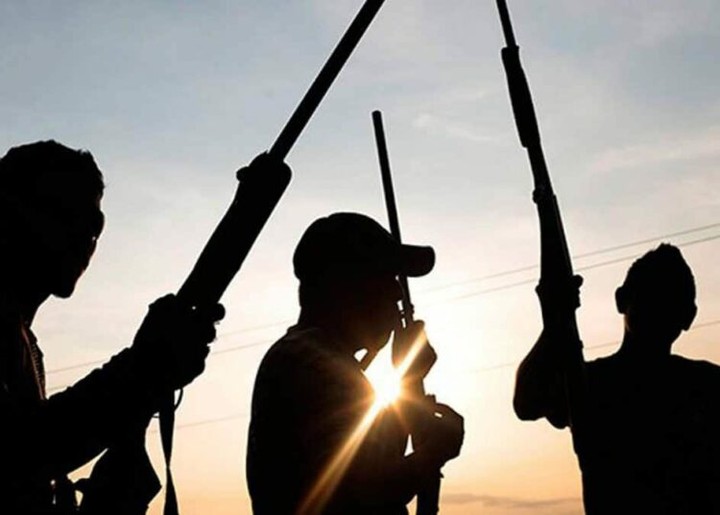
A fresh wave of insecurity struck Southern Kaduna this week as armed bandits abducted Bitiyock Dominic Yahaya, a respected church leader in the Kafanchan Catholic Diocese and younger brother of the Paramount Chief of the Atyap people, Sir Dominic Gambo Yahaya. The attack, which occurred late on Wednesday night, adds to a growing list of kidnappings, killings, and community assaults in a region long plagued by violent criminal activity.
According to local sources, the assailants stormed Magamiya village in Zangon Kataf Local Government Area around 11 p.m., firing sporadically as they advanced. Witnesses reported that the gunmen went directly to the victim’s home, seized him, and fled into nearby forested terrain before security personnel could respond. Community members confirmed the abduction, and an internal church communication later circulated among parish groups, calling for collective prayers for Yahaya’s safety and swift release.
The incident deepens concerns about the deteriorating security situation in Southern Kaduna, where multiple attacks have been recorded in recent months. Just days earlier, armed bandits struck Kushe Gugdu village in Kagarko Local Government Area, storming St. Stephen Parish and abducting the parish priest, Rev. Fr. Bobbo Paschal. During the same attack, several residents were kidnapped, and the brother of another priest, Rev. Fr. Anthony Yero, was killed. The Kaduna Catholic Archdiocese formally confirmed those incidents in a notice to clergy, urging the faithful to pray for the safe return of the abducted and the repose of the deceased.
Tragically, developments since then indicate a worsening trend. Local reports emerging from Kagarko suggest that Rev. Fr. Paschal, who was seized on November 17, was killed by his abductors two days later. Though details remain limited, the killing has intensified anxiety among Christian communities in the region and raised urgent questions about the capacity of security agencies to stem the escalating violence.
Southern Kaduna, like several parts of northwestern and north-central Nigeria, has endured repeated attacks by armed groups often described as bandits—criminal networks engaging in kidnapping, cattle rustling, extortion, and village raids. Many of these groups operate from forested corridors that span large sections of northern Nigeria and are believed to exploit gaps in security coverage.
International observers have taken note of the persistent pattern of violence. Earlier in November, Amnesty International called on the Nigerian government to act decisively following an attack on Gidan Waya in Lere Local Government Area, where 12 people—including a pastor of the Evangelical Church Winning All (ECWA)—were abducted and four others killed. In a statement, the human rights organisation described the incident as part of a long-standing cycle of insecurity exacerbated by years of inadequate state response.
Religious leaders, traditional rulers, and civil society groups continue to urge the government to deploy stronger measures to protect vulnerable communities, arguing that the frequency and brutality of the attacks indicate a deepening national security crisis. Many community members also express frustration that rural populations remain exposed to heavily armed groups who often operate with little resistance.
The abduction of Bitiyock Dominic Yahaya—who holds both religious responsibility and strong community ties due to his family’s royal lineage—has heightened the emotional and symbolic weight of the latest attack. Many residents worry that targeting figures of moral and traditional authority may embolden criminal actors and further weaken communal resolve.
As search efforts intensify, Southern Kaduna communities remain in a state of uncertainty, hoping for the safe return of all abducted individuals. The unfolding situation underscores urgent national concerns about security governance, protection of clergy and traditional leaders, and the broader need for sustainable solutions to recurring violence in northern Nigeria.




Responses