FCCPC Warns Against Chemically Ripened Fruits

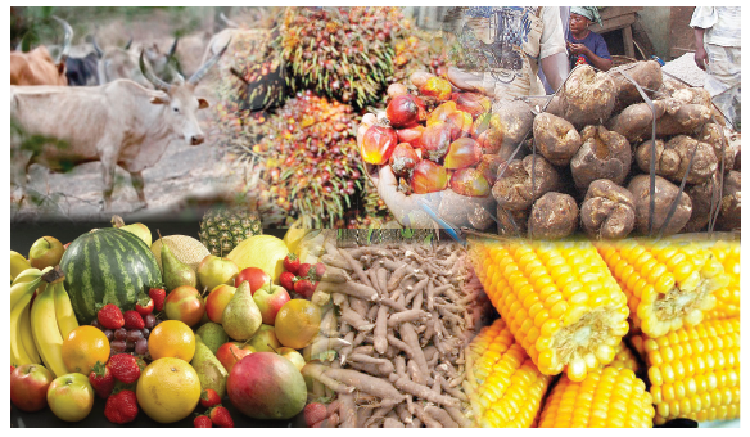
The Federal Competition and Consumer Protection Commission (FCCPC) has raised a serious alarm over the growing use of hazardous chemicals, particularly calcium carbide, in forcefully ripening fruits sold across markets in Nigeria. This warning comes amid rising concerns about food safety and consumer health, especially in the face of mounting food inflation and an increasingly informal agricultural supply chain.
The warning was delivered during a one-day sensitisation programme held in Ado-Ekiti, Ekiti State. The event, organized by the FCCPC, aimed to raise awareness about food quality standards and educate stakeholders about the health risks associated with harmful practices in the food supply chain.
Speaking at the event, the Executive Chairman of the FCCPC, Mr. Olatunji Bello, represented by the agency’s Director of Quality Assurance, Mrs. Nkechi Mba, condemned the increasing presence of adulterated and contaminated foods in Nigerian markets. Bello described this trend as a direct threat to public health and consumer trust, stressing that the sale of such food items compromises not only individual wellbeing but the integrity of Nigeria’s entire food system.
One of the key issues addressed was the alarming use of calcium carbide to artificially ripen fruits like bananas, mangoes, oranges, and plantains. Bello explained that calcium carbide, while commonly used in industrial processes like welding, contains highly toxic substances such as arsenic and phosphorus. These elements are not only harmful to human health but can also have long-term effects on the nervous system, kidneys, and even reproductive health.
“It is deeply troubling that vendors and farmers are resorting to these harmful shortcuts,” Bello said. “Calcium carbide contains dangerous trace elements, including arsenic and phosphorus, both of which are known to be toxic. The consumption of fruits ripened with this substance puts millions of Nigerians at risk.”
The FCCPC emphasized that food safety is a shared responsibility that begins at the point of production and continues until the food reaches the consumer’s table. Bello stated that the commission is fully committed to clamping down on those who use illegal substances to enhance the visual appeal or perceived freshness of fruits.
The use of calcium carbide is often motivated by economic pressures. Farmers and vendors want to get fruits to the market faster to avoid spoilage or meet high demand, especially during peak seasons. Unfortunately, this need for speed often leads to dangerous decisions that prioritize profit over people’s health.
According to Bello, the sensitisation programme in Ado-Ekiti is just the beginning of a broader enforcement strategy. He said that the FCCPC has already taken action in various markets across the country, carrying out routine surveillance operations that have led to the shutdown of facilities and the prosecution of offenders.
“These practices not only endanger the lives of consumers but also destroy public confidence in the food system,” he added. “We are already moving forward with enforcement actions. Offenders will be punished to the full extent of the law.”
To strengthen its regulatory oversight, the FCCPC is collaborating closely with other key institutions such as the National Agency for Food and Drug Administration and Control (NAFDAC), the Standards Organisation of Nigeria (SON), and the Federal Ministries of Health and Agriculture. This joint approach is designed to ensure that food sold in Nigerian markets meets both safety and quality standards.
Mrs. Nkechi Mba, who spoke extensively at the event, encouraged consumers to play an active role in protecting themselves. She advised Nigerians to inspect fruits carefully before purchase. Unnaturally shiny, overly soft, or uniformly ripened fruits, especially during the off-season, should raise red flags. Consumers were also urged to wash fruits thoroughly or peel the skin before consumption to reduce exposure to surface contaminants.
Speaking on consumer education, the Director of Consumer and Business Education at the FCCPC, Mr. Yahaya Kudan, said the sensitisation programme reflects the agency’s broader mission to empower everyone along the agricultural value chain. He said that beyond farmers and vendors, consumers must also be equipped with the right knowledge to make safe and informed choices.
“We are committed to building a culture of safety and fairness in Nigeria’s food supply chain,” Kudan said. “That means educating every stakeholder—from the farmer planting the seed, to the vendor at the market, to the mother preparing meals at home.”
The programme attracted a diverse group of participants, including representatives from several key organizations and ministries. Attendees included officials from NAFDAC, SON, the Federal Ministry of Agriculture, and the Federal Ministry of Health. Also present were representatives from the Ekiti State Ministries of Trade, Commerce and Investment, the Ekiti Consumer Protection Commission, as well as members of the All Farmers Association of Nigeria, the Yam Farmers Association, and the Cassava Growers Association.
The engagement allowed stakeholders to share their experiences and challenges, while also discussing practical steps toward safer food production and distribution. Farmers, in particular, were encouraged to embrace natural and safe methods of ripening fruits, such as using banana leaves or allowing fruits to ripen at their natural pace.
Beyond the health implications, experts also pointed out the economic consequences of widespread use of calcium carbide. Not only does it lead to distrust in local produce, but it also threatens Nigeria’s agricultural export potential. Countries that import Nigerian fruits may eventually impose bans if harmful practices continue, thereby affecting the livelihoods of farmers and agribusiness owners.
The FCCPC made it clear that this is not just a temporary campaign. Ongoing inspections, public education drives, and enforcement actions will continue across the country. The agency’s goal is to ensure that Nigerians have access to food that is not only affordable but also safe and healthy.
As Nigerians continue to deal with rising food costs and limited supply options, the importance of food safety cannot be overstated. The warning from the FCCPC serves as a wake-up call not just to vendors and farmers, but to consumers as well. Everyone has a role to play in ensuring the safety of what we eat. When shortcuts are taken at the expense of public health, the entire nation pays the price.





Responses