FG moves to stop PENGASSAN strike over Dangote Refinery

Nigeria’s energy sector has once again been thrown into tension as the Petroleum and Natural Gas Senior Staff Association of Nigeria (PENGASSAN) threatened a nationwide strike following its dispute with Dangote Refinery. The Federal Government, aware of how disruptive such a strike could be, has stepped in, urging the union to suspend its action and allow dialogue to take place.
The Minister of Labour and Employment, Muhammad Dingyadi, released a statement in Abuja appealing directly to PENGASSAN to consider the broader impact on the country before carrying out its decision. He explained that the Ministry had already invited both the leadership of PENGASSAN and the management of Dangote Refinery to a conciliation meeting in his office to address the issues. According to him, a strike at this sensitive time would not only cripple petroleum supply but also lead to severe revenue losses and heightened hardship for ordinary Nigerians.
Dingyadi stressed that petroleum remains the backbone of Nigeria’s economy, and any disruption in its production and supply chain affects more than just businesses—it destabilises the economy and threatens national security. He pleaded with the union to withdraw its declaration of strike to enable discussions to proceed in a calm environment where both sides could present their concerns and reach a fair resolution.
The crisis began over the weekend when PENGASSAN directed all its members nationwide to withdraw their services. The union’s decision followed the dismissal of some Nigerian workers by Dangote Refinery, which it described as a clear violation of Nigeria’s labour laws, the Constitution, and international labour conventions. In a statement issued by its General Secretary, Lumumba Okugbawa, the association revealed that the strike decision came after an emergency meeting of its National Executive Council (NEC).
The strike was designed to roll out in phases. Workers across field locations were ordered to stop work by 6 a.m. on Sunday, September 28, while those in offices, institutions, companies, and agencies were directed to withdraw services starting from 12:01 a.m. on Monday, September 29. The union insisted that it would not stand by while Nigerian workers faced unfair treatment at one of the country’s largest industrial facilities.
Dangote Group, however, strongly disagreed with PENGASSAN’s claims. The company accused the union of attempting to sabotage the refinery and warned that such actions could disrupt the supply of fuel to over 230 million Nigerians. The Group pushed back against allegations that it had sacked over 800 Nigerian staff and replaced them with 2,000 Indian workers. According to Dangote, the claims were false, and more than 3,000 Nigerians remain employed at the refinery.
The Group further linked the current dispute to what it called a history of obstruction by the union. It reminded the public that in 2007, PENGASSAN opposed the $750 million Federal Government deal to sell the Port Harcourt and Kaduna refineries to a Dangote-led consortium, a move that, according to the company, could have revived the moribund facilities and saved the country billions in importation costs. The Group also drew attention to past disputes involving the Nigerian National Petroleum Corporation (NNPC), where it said the union consistently resisted reforms aimed at strengthening the energy sector.
In Dangote’s view, the present situation fits into a pattern where the union fights corporate reforms and strategic actions that could improve energy production and stabilise Nigeria’s economy. The Group argued that these constant clashes slow progress and discourage investors who want to put money into a sector already facing challenges.
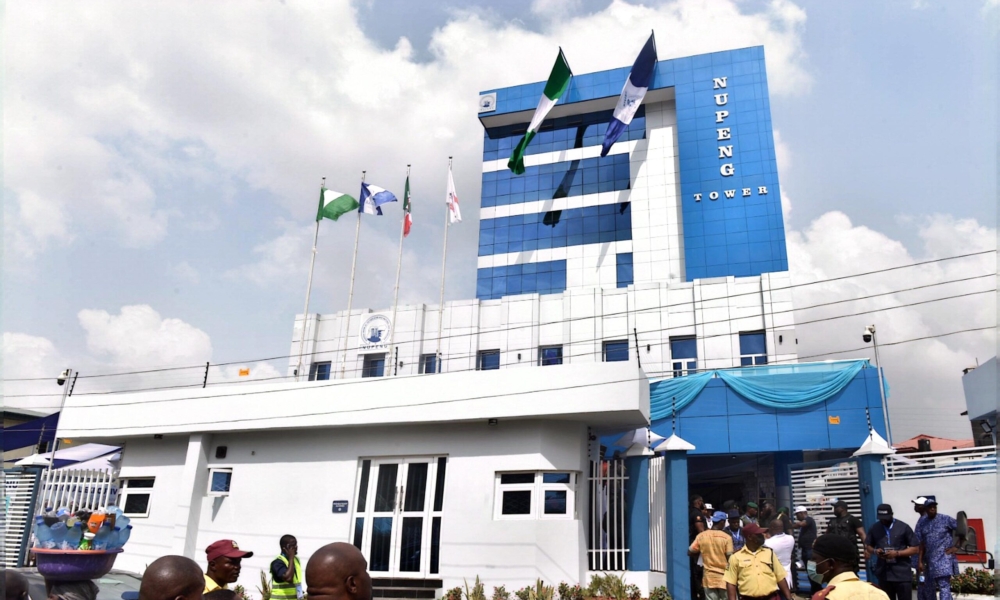
The conflict does not stand alone. For years, there have been tensions between labour unions and the Dangote Refinery. The Nigeria Union of Petroleum and Natural Gas Workers (NUPENG), for example, previously raised concerns over the company’s refusal to recognise the union rights of tanker drivers and other employees. In fact, one such dispute led to a formal resolution signed in the presence of three federal ministers and a senior representative of the Department of State Services (DSS). This history shows that the refinery’s relationship with workers’ groups has often been strained, with mistrust building on both sides.
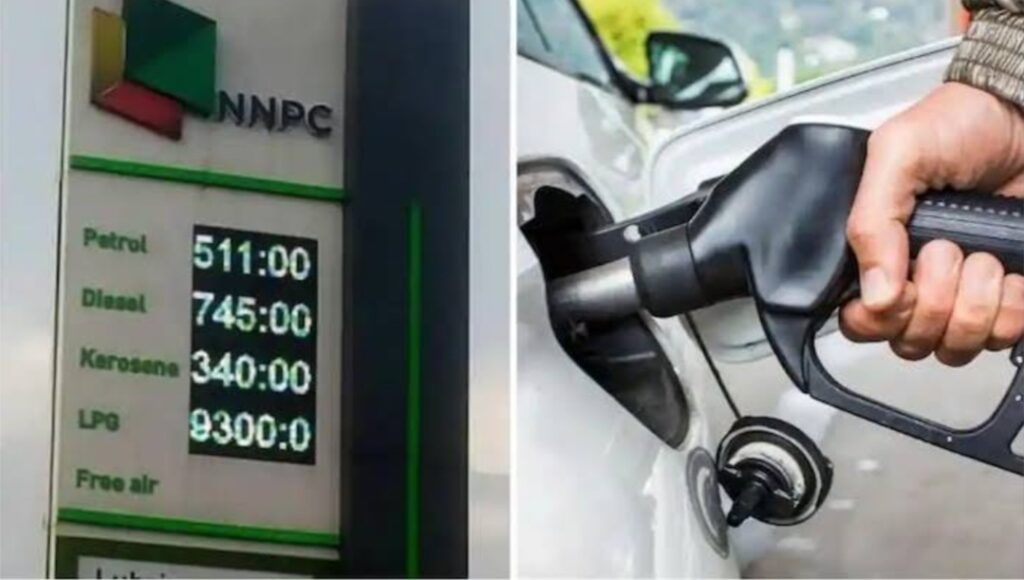
For Nigerians, however, the most immediate concern is how the strike—if allowed to go ahead—would affect daily life. The Dangote Refinery is a major player in the petroleum sector, and any disruption to its operations could quickly translate into fuel scarcity. Long queues at filling stations, soaring transport costs, and disruptions to businesses that rely on fuel are only a few of the consequences ordinary people could face. For a population already grappling with economic hardship, inflation, and rising energy costs, such an outcome would be devastating.
The Federal Government’s intervention is therefore seen as a necessary step to prevent the crisis from spiralling out of control. By calling both parties to the negotiation table, the hope is that common ground can be found without resorting to strikes that paralyse the country. The government has emphasised that it does not side with either party but is committed to creating an environment where fairness, legality, and national interest guide the outcome.
At the heart of the dispute are broader questions about workers’ rights, corporate governance, and the role of unions in Nigeria’s evolving energy landscape. PENGASSAN has positioned itself as a defender of workers, ready to resist what it sees as unfair practices. Dangote, on the other hand, argues that the union’s interference undermines progress and scares away investment needed to expand the sector. Balancing these interests will require careful negotiation, patience, and compromise from both sides.
What remains clear is that Nigeria cannot afford prolonged unrest in the petroleum sector. The stakes are simply too high. With fuel powering everything from transport to electricity generation, any disruption has ripple effects that touch nearly every aspect of the economy and daily life. Both the government and the stakeholders involved will need to tread carefully to ensure that while workers’ rights are respected, the country is not plunged into another round of avoidable hardship.


Responses