Importers Lament as CMA CGM Imposes $500 Surcharge on Nigerian-Bound Cargo

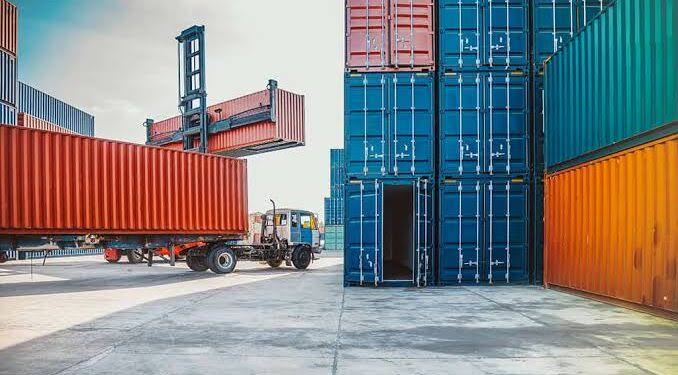
The Nigerian import community is bracing for tougher times as French shipping giant CMA CGM has announced a fresh peak season surcharge of $500 on containers bound for Nigeria and other West African ports. The development, which takes effect on September 15, 2025, has already drawn criticism from freight forwarders and stakeholders who describe it as exploitative and damaging to the country’s struggling trade sector.
In a statement released on its official website, CMA CGM said the surcharge would apply to shipments originating from North-East Asia, South-East Asia, China, and the Hong Kong and Macau Special Administrative Region. The fee will be applied to both dry and refrigerated (reefer) cargoes and will cover only twenty-foot equivalent unit containers, commonly referred to as TEUs. The shipping line explained that the surcharge is tied to short-term contracts and will remain in effect until further notice.
The company described the move as part of its strategy to continue providing reliable services to its global customers despite mounting operational pressures. “In a continued effort to provide our customers with reliable and efficient services, CMA CGM informs its customers of the following Peak Season Surcharge starting from September 15, 2025, until further notice. Origin range: From North-East Asia, South-East Asia, China, and Hong Kong & Macau SAR. Destination range: West Africa. Cargo: Dry & Reefer. Amounts: $500 per TEU. Applicable on short-term contracts,” the notice read.
While the statement framed the decision as a necessary measure to cope with high shipping demands during peak season, Nigerian importers see it differently. For many, this latest surcharge represents yet another financial burden that will eventually be transferred to end-users in the form of higher prices for imported goods.
One of the strongest reactions came from Mr. Pius Ujubuonu, a former interim National President of the Association of Nigerian Licensed Customs Agents (ANLCA) and currently Head of Planning and Strategy at the association. He minced no words in describing the surcharge as unfair and exploitative. According to him, the concept of a peak season surcharge was originally meant to allow shipping companies to manage demand when traffic volumes rise sharply, not to punish customers who are already stretched by high costs.
“That is absolute exploitation,” Ujubuonu declared. “Peak season surcharge is supposed to be to their own advantage since they are having more transactions during this period. Instead of simply enjoying the boom in business, they now want to transfer the burden onto their customers. This is the same way they justify charges like the War Risk Insurance Premium, which adds another layer of cost to importers. Unfortunately, what we are seeing is that our Nigerian Shippers Council is unable to clearly determine what should be accepted and what should be resisted.”
He further hinted that ANLCA would formally draw the attention of the Nigerian Shippers Council (NSC) to the matter, arguing that regulators must play a more proactive role in protecting the interests of local importers.
The frustration expressed by Ujubuonu was echoed by Mr. Segun Musa, Deputy President of the National Association of Government Approved Freight Forwarders (NAGAFF). Musa highlighted the broader economic implications of the surcharge, stressing that it would push up the cost of doing business in Nigerian ports at a time when the government has been working hard to reduce port charges and streamline logistics operations.
“I think most importantly, we need to actually know what that means,” Musa explained. “It is going to add to the cost of doing business, and it is going to frustrate the efforts of the government in reducing the cost of doing business in the port. Stakeholders need to come together to discuss this development and look more deeply into the implications. While $500 may not sound like much on paper, when you calculate it across hundreds or thousands of containers coming into Nigeria, it amounts to a huge financial load.”
Indeed, the surcharge could have far-reaching effects beyond the importers themselves. Nigeria remains heavily dependent on imports for a wide range of goods, from raw materials for its industries to everyday consumer products. An increase in shipping costs inevitably cascades down the supply chain, contributing to higher prices in markets and shops across the country. For a nation already battling inflation and currency devaluation, the timing of this surcharge could not be worse.
Trade analysts point out that international shipping companies have, in recent years, introduced a series of surcharges tied to global uncertainties. From fuel adjustments to war risk premiums, the justifications have varied, but the end result has often been the same: higher costs for import-dependent economies like Nigeria. With CMA CGM’s latest announcement, the sense of frustration among Nigerian business operators is growing, as many feel they have little control over the policies imposed by foreign shipping lines.
The call for stronger regulatory oversight has become louder. Stakeholders argue that the Nigerian Shippers Council, which serves as the economic regulator for the maritime sector, must do more than merely observe these developments. They believe the NSC should actively engage shipping companies, question the basis of such surcharges, and if necessary, negotiate reliefs or exemptions that will protect Nigerian businesses.
For now, the import community is left to absorb the reality of higher shipping costs. Many importers are already recalculating their budgets and warning that the additional charges will be reflected in the final cost of goods. Consumers, who are already grappling with high living expenses, may soon feel the ripple effects in the prices of essential commodities, from electronics and textiles to industrial spare parts and food items.
The surcharge debate once again underscores the fragile state of Nigeria’s trade ecosystem. On one hand, there is an urgent need for the government to promote local production and reduce dependence on imports. On the other, the reality remains that Nigeria cannot yet meet its domestic needs without relying heavily on foreign markets. Until that balance changes, decisions by international shipping giants like CMA CGM will continue to have direct and often painful consequences for Nigerian households and businesses.




Responses