Lagos Government Targets Event Centres Blocking Public Roads Amid Mounting Traffic Crisis


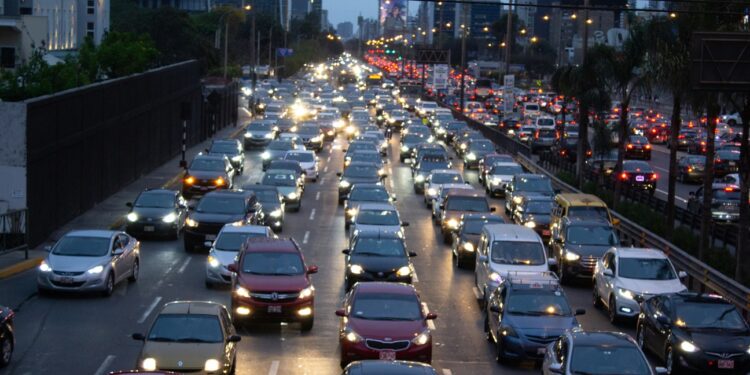
The Lagos State Government has issued a strong warning to event venue operators and organizers who obstruct public roads during social gatherings, a trend that officials say is worsening the city’s already dire traffic situation and endangering public safety.
The warning came from the Lagos State Traffic Management Authority (LASTMA), whose General Manager, Olalekan Bakare-Oki, conducted inspections in traffic-prone areas over the weekend. He expressed serious concern about the increasing number of weddings, concerts, and parties that spill out onto the streets without proper authorization or planning.
According to Bakare-Oki, the growing habit of using roads as overflow parking or event space has reached an unacceptable level. He pointed out that this practice not only causes frustrating gridlock but also blocks essential access routes for emergency vehicles such as ambulances and fire trucks.
These activities, he said, represent a serious threat to both traffic management and public safety. He emphasized that no person, group, or corporate body has the right to convert public roads into extensions of their private functions. Such behavior, he noted, disrupts the lives of other road users and puts lives at risk during emergencies.
Bakare-Oki stated that Governor Babajide Sanwo-Olu’s administration is committed to fairness and order on Lagos roads and warned that any event centre, hall, club, or venue found guilty of obstructing public access would face penalties, including legal action.
The statement signals a new wave of enforcement by Lagos authorities as they seek to address chronic traffic issues that have long plagued the city. Lagos, home to over 20 million people, is notorious for gridlock, especially during weekends when major social events take place across the metropolis.
Residents often find themselves stuck in hours-long traffic jams due to events being hosted in neighborhoods with limited or no parking facilities. In some areas, roads are so congested by parked vehicles that even pedestrians struggle to pass.
One resident, Mariam Adebayo from the Lekki area, shared her frustration. She said weekends have become unbearable due to frequent parties that leave roads impassable. “Every weekend it’s something new. Wedding today, birthday tomorrow. Our streets become completely blocked, and the people organizing these events don’t care about how it affects us.”
Similarly, Daniel Okezie, a ride-hailing driver in the city, said he often loses money on weekends because of events that paralyze traffic. “Sometimes you get stuck behind a hall and you can’t turn back. All lanes are blocked with cars and it’s every man for himself. It’s a mess.”
To address the issue, Bakare-Oki has ordered LASTMA officers to increase their patrols and intelligence gathering, especially during festive seasons and weekends when such gatherings are common. He urged venue operators to take full responsibility for managing traffic at their events by hiring certified personnel or collaborating with LASTMA to develop effective traffic control plans.
The government is also encouraging residents to report any violations or blockages they encounter. Citizens can call LASTMA’s toll-free emergency number, 080000527862, to report venues or events that obstruct public access or create dangerous traffic conditions.
Bakare-Oki noted that compliance and deterrence are the government’s top priorities. The idea, he said, is not to ban celebrations or limit social activities, but to ensure that they are conducted responsibly, with consideration for the rights and safety of others.
He stressed that while Lagos is a city known for its vibrant social life, that vibrancy should not come at the cost of public inconvenience and chaos. “We’re not asking people not to enjoy themselves. We’re simply saying: do it without turning the whole city into a parking lot,” he said.
The issue also highlights broader concerns over the strain on Lagos’s transport infrastructure. Urban development has outpaced road expansion, and many areas lack adequate planning to support the high density of vehicles. With limited public transport options and increasing car ownership, the city’s roads are often overwhelmed.
Experts believe that stricter urban planning rules and improved enforcement of building codes could prevent venues from being approved without proper parking infrastructure. They also advocate for increased investment in public transport to reduce the reliance on personal vehicles during social events.
In the meantime, however, the state government is focused on enforcing existing rules and ensuring that public roads are not hijacked for private use. Bakare-Oki reiterated that event organizers who fail to comply will face the full weight of the law.
He called for a culture shift among Lagosians, encouraging people to consider how their personal celebrations impact the community at large. “Everyone wants to have a beautiful event, but we must be mindful of the ripple effect. Public roads are not private party spaces. We all share this city, and we must act like it.”
The crackdown marks a significant step in Lagos’s broader campaign to restore order and discipline to the city’s transportation system. As the government intensifies monitoring and enforcement, it hopes to send a clear message that public roads are for movement—not for merrymaking.




Responses