Lagos Leather Hub Set to Transform Nigeria’s Economy

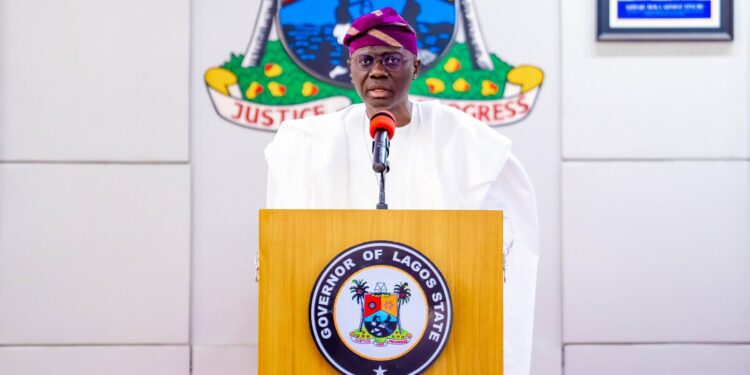
Lagos State is taking a bold step toward revitalizing Nigeria’s leather industry with the launch of a major initiative that promises to create thousands of jobs and attract large-scale investments. Governor Babajide Sanwo-Olu recently unveiled the Lagos Industrial Leather Hub, a facility designed to boost production, train artisans, and create market opportunities for leather goods both locally and internationally.
The governor revealed that the new hub is expected to create over 10,000 jobs within its first three years of operation. What makes this effort even more significant is the government’s commitment to inclusion—seventy percent of those job opportunities will be reserved specifically for women and young people. This move aligns with the broader goal of using economic development as a tool for social transformation.
Beyond job creation, the hub will also provide access to advanced training and support for more than 150,000 artisans. These individuals, many of whom have been sidelined by years of neglect in the sector, will now be equipped with the skills and resources they need to compete in today’s global marketplace. This support is expected to breathe new life into the leather value chain, which has been struggling for years.
According to Governor Sanwo-Olu, this entire initiative draws inspiration from Nigeria’s First Lady, Senator Oluremi Tinubu. Her advocacy for the empowerment of women and youth played a major role in shaping the vision behind the hub. The governor also acknowledged the vital role played by the Council for Leather Exports and private investors, who have backed Lagos as the next frontier for leather manufacturing in Africa.
The state government isn’t stopping at just building the facility. Sanwo-Olu emphasized that Lagos will continue to provide policy support and improve infrastructure to ensure the hub operates efficiently and achieves long-term sustainability. Transparency, regulation, and infrastructure upgrades will be key tools used to protect and expand this investment.
The hub isn’t being developed in isolation either. It will be strategically integrated with fashion districts, online shopping platforms, and the Lagos Blue Line Rail. This level of coordination is aimed at making it easier to transport both people and goods, ultimately improving logistics and cutting down the cost and time associated with distribution.
More importantly, the governor stressed that the success of the hub won’t just be measured by the number of jobs created or the products exported. Instead, he said the real success lies in how many households are lifted out of poverty. This approach reflects a shift from simply measuring economic activity to evaluating real social impact.
The launch of this leather hub comes at a time when Nigeria’s leather industry is in urgent need of a revival. At one point, the sector was thriving, but it suffered a massive decline due to years of underinvestment, poor infrastructure, and an inability to compete with global powerhouses like China, Brazil, and India.
Professor Mohammed Yakubu, who serves as the Director-General of the Nigerian Institute of Leather and Science Technology, has been at the forefront of efforts to restore the industry. He is also the chairman of the National Leather Policy Implementation Committee and has consistently highlighted the need for affordable power and modern processing facilities to rebuild the sector.
In late 2024, Professor Yakubu announced plans for a country-wide initiative to build mini tanneries across all states. These mini facilities would be capable of processing between one to five tonnes of leather every week. The goal was to reduce the excessive domestic consumption of raw hides and skins while channeling the surplus to key markets in the South-West, South-East, and cities like Jos and Kano.
However, as of August 2025, there has been no official confirmation that these mini tanneries have been built. This delay makes the launch of the Lagos hub even more critical, as it may serve as a model for what can be achieved when vision meets action.
Tanneries play a vital role in the leather production process. These are facilities where animal hides and skins are treated using chemical and mechanical processes to create durable, high-quality leather. The quality of these treatments greatly affects the final product’s texture, strength, and overall market value. A hub like the one being developed in Lagos has the potential to raise Nigeria’s leather processing standards to meet or even exceed international expectations.
With modern infrastructure, dedicated artisan training, and government support, the Lagos Industrial Leather Hub is positioned to do more than just revive a struggling industry. It is expected to become a central player in Nigeria’s broader economic diversification efforts. Leather, often overlooked in the conversation around non-oil exports, has the potential to become a billion-dollar industry for Nigeria if the right policies and structures are put in place.
The benefits of this project will likely stretch beyond Lagos. As more artisans are trained and more businesses become involved in the leather trade, other states may be inspired to launch similar initiatives. This could create a ripple effect across the country, increasing Nigeria’s footprint in the global leather market while reducing poverty and unemployment at home.
What Lagos is doing with the leather hub isn’t just about producing shoes, bags, or belts. It’s about building an ecosystem where creativity meets commerce, where traditional craftsmanship is enhanced by modern technology, and where economic growth directly translates into improved lives for everyday Nigerians.
In an economy that desperately needs success stories beyond oil, initiatives like the Lagos Industrial Leather Hub offer a glimpse of what’s possible when innovation, policy, and investment align with the needs of the people.


Responses