Marriage on a ₦100,000 Income in Today’s Nigeria

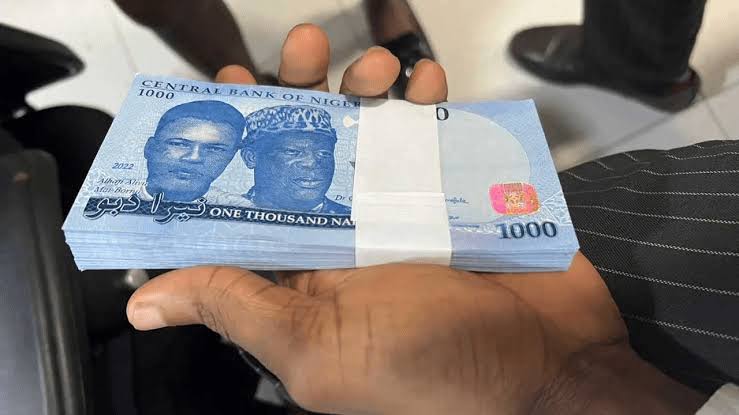
The discussion surrounding whether someone earning ₦100,000 monthly should contemplate marriage has sparked intense reactions, especially in the context of Nigeria’s rising cost of living. The original argument by a user, MONEY247, asserts firmly that a person earning such an amount should not even consider marriage, predicting that the union would quickly collapse under financial strain. According to this view, ₦100,000 is simply inadequate to support a household, raise children, manage feeding, transportation, rent, utilities, and other responsibilities that marriage inevitably brings. The claim is clear: an individual on that income would be overwhelmed.
However, this perspective was immediately challenged by others who believe the situation is not so straightforward. SpencerForbes, for instance, posed several practical questions intended to broaden the conversation. He asks: What if both partners earn ₦100,000 each, making it a combined income of ₦200,000? What if the couple is disciplined enough to save—perhaps setting aside ₦30,000 monthly—to start a small side business like POS operations or provision stores? He also highlights the possibility of marrying a woman who already has a useful skill such as hairdressing or makeup artistry, which could supplement household income.
Another angle he raises is the case of individuals above 40 who may already have stability in certain areas, like housing. Should such people still avoid marriage because their salaries fall below expectations? He further argues that if families are supportive and are willing to sponsor or help reduce the cost of wedding ceremonies, then insisting on financial thresholds becomes unrealistic. His central argument is that marriage requires planning more than it requires wealth.
MONEY247 agrees partially with SpencerForbes, noting that combining incomes and diversifying financial streams could indeed help ease the pressure. But several other contributors strongly disagree with the idea that marriage can thrive on a low income. HUSTLER001, for example, shares his personal experience earning ₦110,000, explaining that even as a single man, his salary barely lasts until the end of the month due to feeding, transportation, utility bills, rent savings, and personal expenses.
On the other hand, some users inject humor and idealism into the thread. One commenter, always247, declares that if he could secure a stable ₦70,000 income, nothing but death would stop him from getting married. But an older contributor, ibechris, counters this optimism by stressing that marriage is far more demanding than people realize. With experience raising four children, he explains that even with a salary above ₦200,000, expenses can run into over a million naira monthly when factoring in school fees, household necessities, fuel, and more. His primary advice is that men and women should marry wisely and choose partners who are financially prepared—not necessarily wealthy, but capable of managing and contributing meaningfully.
The debate continues with others pointing out that many Nigerians have always raised families on little, even in rural areas. SpencerForbes insists that if society waits until everyone is rich enough to have children, Nigeria’s population would collapse. He argues that what people truly need is wisdom, modesty, and discipline—not millions in their bank accounts before marriage.
In contrast, ibechris maintains that while the arguments sound good in theory, reality is harsher. Poverty limits children’s opportunities, and modern living requires resources beyond what small incomes can provide. He shares that he had savings of about ₦4.5–₦7 million before marriage, and that reserve is what helped him survive financially.
In essence, the argument is split between two schools of thought: one believes marriage on low income is reckless and unfair to spouses and children, while the other believes marriage can start small as long as both partners are hardworking, united, and realistic. The conversation reveals how deeply personal and situational the topic is—yet it remains one of the most debated aspects of Nigerian life today.





Responses