MPC: Naira holds firm, dollar softens globally

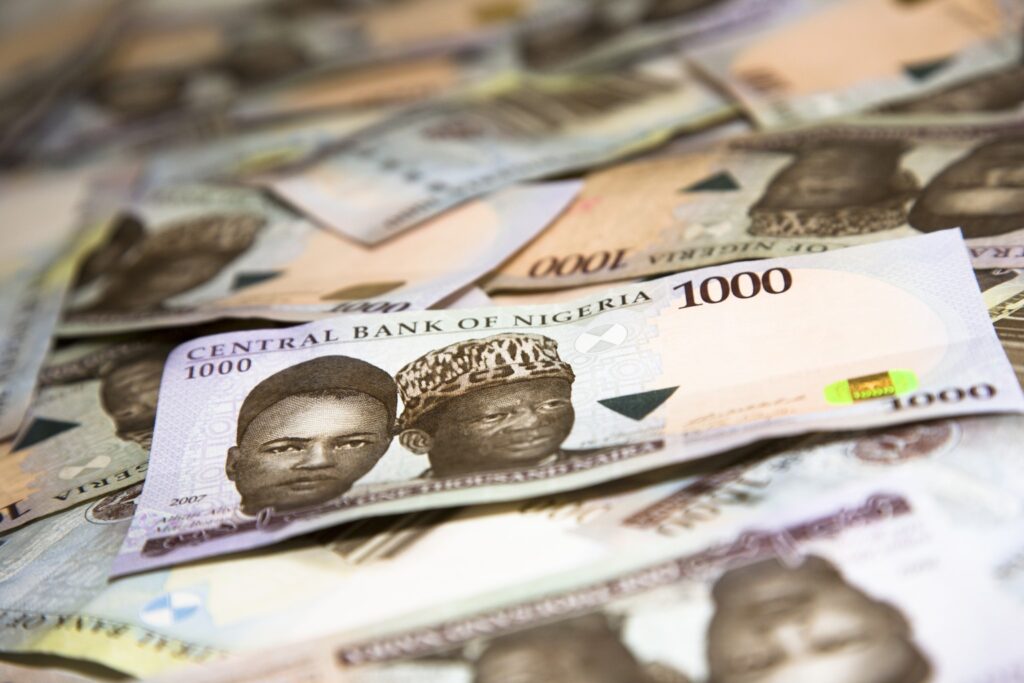
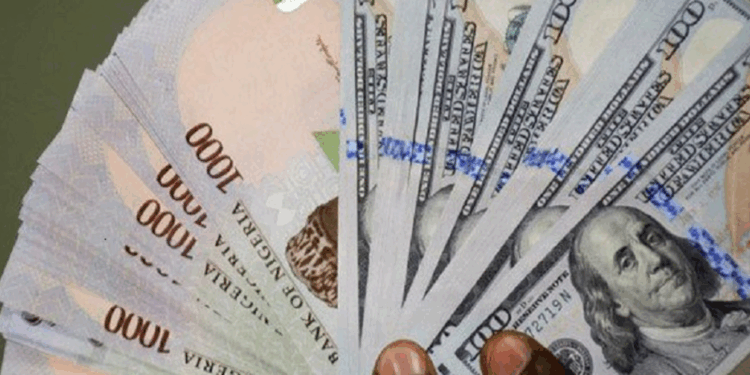
After the Central Bank of Nigeria (CBN) held its Monetary Policy Rate steady for the seventh time in a row, the naira didn’t budge on the unofficial FX market. It stayed flat at ₦1,535 per dollar, same as the day before, showing a bit of calm in the usually choppy waters of Nigeria’s parallel currency market.
Interestingly, this came on a day when the US dollar was taking a breather globally.
The naira’s calm followed the 301st Monetary Policy Committee (MPC) meeting where the CBN opted to maintain its tighter policy stance in an effort to keep inflation in check and the broader economy steady.
During the post-MPC briefing, CBN Governor Olayemi Cardoso said the local currency is slowly regaining the public’s trust, thanks in part to policy reforms and stronger macro fundamentals. He described it as a positive shift in perception, noting that more Nigerians are now willing to use the naira for everyday business.
For the third consecutive time, the MPC held all key policy parameters:
MPR at 27.5%
Asymmetric corridor at plus 500 and minus 100 basis points
Cash Reserve Ratio at 50% for commercial banks and 16% for merchant banks
Liquidity Ratio at 30%
Cardoso noted that recent policies like allowing the exchange rate to be more market-driven and tightening monetary conditions have started showing results. One sign of that, he said, is that more naira-based payment instruments are being used, even outside Nigeria.
“There’s a lot of transformation happening,” he said. “And it’s here to stay. When you travel now, you can use your naira cards at some banks abroad. That’s not temporary. That’s progress.”
Meanwhile, the dollar stumbles abroad
Over on the global stage, the US dollar is wobbling a bit. After three straight days of losses, it found some footing on Wednesday, but the damage had been done. The dollar index is still hanging near a two-week low.
Right now, the Dollar Index (DXY) is hovering around 97.11, a modest rebound but still well below the July 10 low. It has shed over 6% since early April when former President Donald Trump announced his Liberation Day tariffs and rattled markets with trade war talk.
Though many of those tariff threats were later softened, the greenback didn’t fully recover. But things are looking up slightly. A new trade deal between the US and Japan has eased some nerves.
Trump announced a lower tariff rate of 15% instead of 25% on Japanese goods, set to kick in August 1. Japan in turn has pledged to inject $550 billion into its economy. That announcement helped improve global investor sentiment and nudged traders away from the dollar as a safe haven.
Bottom line, the naira’s holding steady at home while the dollar is losing steam abroad. Both markets are reacting to policy decisions but in very different ways.



Responses