Nigeria Signs MoU with UK Firm to Establish Integrated Dairy Factory, Boost Food Security and Jobs

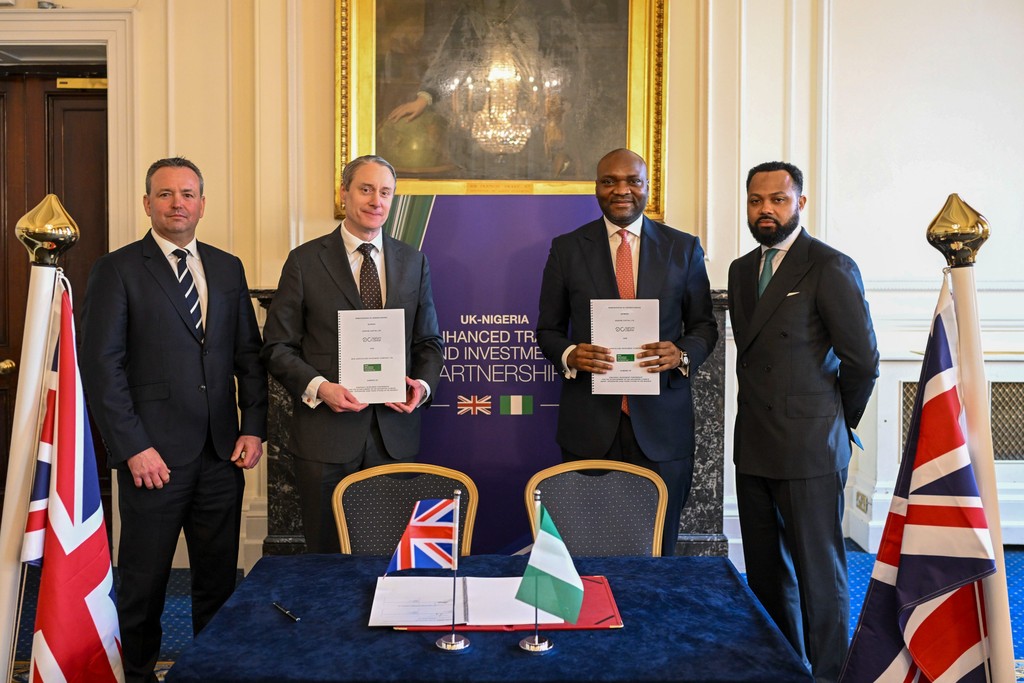
Nigeria has taken another step toward strengthening its agricultural sector, particularly in dairy production, following a new partnership agreement with a United Kingdom-based company. The deal, which comes in the form of a Memorandum of Understanding (MoU), was signed in London between the Nigeria Sovereign Investment Authority and a British firm, Asset Green. The agreement focuses on the development of an integrated dairy processing facility in Nigeria, aimed at boosting local production, improving food security, and creating jobs.
This initiative is part of broader efforts to deepen economic ties between Nigeria and the United Kingdom, especially in key sectors such as agriculture, technology, education, and manufacturing. The dairy project is expected to play a strategic role in reducing Nigeria’s heavy dependence on imported dairy products, a long-standing challenge that has impacted both local farmers and the country’s foreign exchange reserves.
According to information released by UK officials in Nigeria, the agreement builds on earlier technical collaborations that contributed to the establishment of the Nigeria Sovereign Investment Authority. With this foundation already in place, the new partnership is expected to channel investment into modern dairy infrastructure, including milk collection, processing, storage, and distribution systems. This integrated approach is designed to strengthen the entire dairy value chain—from livestock production to finished consumer products.
The timing of the agreement is also significant, as it coincides with ongoing diplomatic and economic engagements between both countries. These engagements have led to multiple investment announcements across various sectors. In addition to the dairy factory, another MoU was signed involving EStars and the Lagos State Ministry of Education. This separate agreement aims to equip approximately three million Nigerian students with digital and esports-related skills starting from April 2026, preparing young people for opportunities in the global digital economy.
Supporters of the government have pointed to these developments as evidence that international trips by Nigerian leaders can yield tangible economic benefits. They argue that such engagements often facilitate partnerships, attract foreign investment, and open doors for technology transfer and capacity building. Historical examples frequently cited include rail infrastructure projects linked to past diplomatic visits, as well as energy and housing initiatives tied to international cooperation.
However, not everyone is convinced about the immediate impact of such agreements. Critics have noted that an MoU is only a preliminary step and does not guarantee project execution. They stress that many agreements fail to materialize due to issues such as funding constraints, policy inconsistencies, or broader economic challenges. Concerns have also been raised about Nigeria’s infrastructure gaps—particularly in electricity supply, security, and regulatory stability—which could affect the viability of large-scale industrial projects like dairy processing plants.
There are also questions about how quickly ordinary Nigerians will feel the benefits of such initiatives. While projects like dairy factories can create jobs and stimulate rural economies, their impact is often gradual and dependent on effective implementation. Analysts emphasize that for the dairy sector to truly thrive, complementary policies such as ranching development, improved livestock management, and better transportation networks must also be in place.
Despite the mixed reactions, the agreement represents a noteworthy attempt to address structural issues in Nigeria’s agricultural sector. If successfully implemented, the dairy project could reduce import dependence, improve nutrition, and provide economic opportunities across multiple levels of the value chain.
Ultimately, the success of this partnership will depend not just on the signing of agreements, but on sustained commitment, transparency, and the ability to translate plans into measurable outcomes that benefit the wider population.






Responses