Nigerian Army Urges South-East Youths to Participate in Recruitment

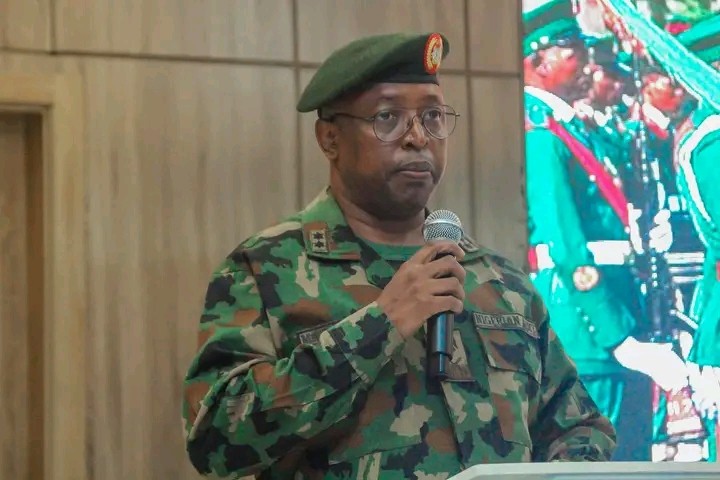
The Nigerian Army has appealed to young people in the South-East region of Nigeria to participate more actively in its recruitment exercises, expressing concern over the consistently low number of applicants from the zone.
The call was made during an awareness campaign held in Umuahia, the capital of Abia State, where military representatives, retired officers, community leaders, and civil society organizations gathered to discuss the importance of national service and the opportunities available within the armed forces.
The sensitisation programme was organised by the Department of Civil-Military Affairs of the Nigerian Army as part of efforts to address misconceptions about military service and encourage more youths from the region to consider careers in the armed forces.
During the event, retired senior officer Gold Chibuisi, a former Major General, delivered a keynote lecture in which he urged South-East youths to stop shunning military service and instead take advantage of the various professional opportunities available in the army.
According to him, the Nigerian Army offers careers in several specialized fields beyond combat operations, including medicine, law, engineering, logistics, and administration. He explained that joining the military can provide long-term career development, training opportunities, and the chance to serve the nation.
Chibuisi also addressed concerns that soldiers from certain ethnic groups are unfairly profiled or deliberately sent to dangerous conflict zones. He dismissed such claims as unfounded, assuring participants that the army operates under professional standards that ensure fairness in postings, promotions, and welfare.
He encouraged parents in the South-East to support their children who wish to pursue military careers, noting that national service requires contributions from all parts of the country.
Another retired officer, Chukwunedum Abraham, also expressed concern about the region’s low participation rate in recent recruitment exercises. He cited figures from the last nationwide recruitment which showed that only 671 applicants came from Imo State, while Ebonyi State recorded just 428 applicants.
According to him, the numbers were significantly lower when compared to other geopolitical zones in Nigeria, highlighting the need for greater awareness and engagement within the South-East.
Speaking at the event, the Chief of Civil-Military Affairs of the Nigerian Army, Musa Awwal Etsu-Ndagi, said the awareness campaign was designed to correct misconceptions about the military and inform youths about the benefits of enlistment.
He explained that many young people in the region may be unaware of the diverse career paths available in the army and stressed the importance of ensuring that all parts of Nigeria are adequately represented within the country’s armed forces.
Also present at the programme was Alex Otti, the governor of Abia State, who reiterated his call for youths from the state to participate more actively in military recruitment.
Otti said it was concerning that Abia had consistently recorded low numbers of applicants during recruitment exercises conducted by the armed forces and other security agencies.
He expressed optimism that the awareness campaign would help change the situation by educating young people about the benefits of military service and encouraging them to consider careers in national defense.
The governor added that his administration would support initiatives aimed at increasing participation from Abia youths, emphasizing that the state should not continue to rank among those with the lowest enlistment figures in the country.
Observers say the issue of low recruitment from the South-East has been a recurring concern for military authorities in recent years. Analysts often attribute the trend to factors such as distrust of federal institutions, economic priorities among youths, and the region’s strong entrepreneurial culture.
Despite these challenges, the Nigerian Army hopes that continued dialogue with community leaders, civil society groups, and young people will gradually improve participation levels and strengthen national unity through inclusive representation in the armed forces.



Responses