Obi Warns ADC Coalition Is Becoming Unstable Over Unresolved Zoning and Power-Sharing Issues

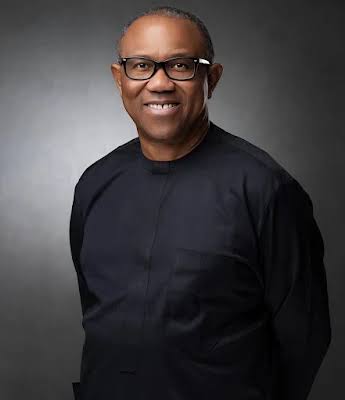
Labour Party’s 2023 presidential candidate, Peter Obi, has expressed concern that the coalition being assembled around the African Democratic Congress (ADC) is struggling to find firm footing due to lingering disagreements over zoning, power rotation, and other fundamental organisational structures. Obi made the remarks during a recent in-depth conversation on the YouTube platform Advocacy for Good Governance, where he discussed his political commitments ahead of the 2027 presidential election and the challenges facing the emerging alliance.
Obi, who reaffirmed his continued membership of the Labour Party, explained that he supports the broader ADC coalition because of its focus on building a collective front capable of reshaping Nigeria’s political direction. However, he warned that despite the goodwill surrounding the coalition, its internal dynamics remain unsettled.
“Today, I’m a member of the Labour Party, and I subscribe to the coalition — the ADC coalition — for the 2027 election,” Obi said. “But as much as I believe in it, I need to know the fundamentals that we all agree to respect.”
According to him, the coalition has not finalised crucial decisions regarding zoning the presidency and allocating key national and party offices. Without clarity on these matters, he argued, the alliance risks instability, miscommunication, and future conflict.
He noted that there are “unsigned agreements” circulating informally among members of the coalition — agreements that attempt to define where the presidential candidate, national chairman, and other principal officers should come from. Obi stressed that unless these understandings are formalised, documented, and widely accepted, the coalition could eventually fracture under the weight of competing interests.
“In all this, there are still some fine lines that we need to respect,” he said. “We must sit down and talk about where we’re driving the country to. If you say this person will come from here and this person will come from there, all those things need to be organised. If you don’t do it, you create confusion for the future.”
Obi also used the interview to highlight his respect for the senior political figures currently shaping the coalition’s framework. He described David Mark, former Senate President and the chairman of the coalition’s national steering structure, as a grounded leader with the expertise to guide the process. He also referred to former Vice President Atiku Abubakar as “his leader,” noting that Atiku’s long-standing national experience and commitment to Nigeria’s progress are valuable assets to the coalition.
“I respect all those who are leaders there,” Obi said. “David Mark is one of those people I respect. And my own leader, Atiku — someone I have all my respect for — who I believe wants the best for Nigeria.”
When asked whether he would remain committed to the coalition even if he does not emerge as its presidential candidate, Obi responded that his political motivation is rooted in national development, not personal ambition. He reiterated his oft-quoted position that holding office is not his overriding priority.
“I’m not desperate to be president of Nigeria,” he insisted. “I’m desperate to see Nigeria work.”
Obi’s remarks come at a time when the emerging ADC coalition — formed with the intention of presenting a united opposition platform in 2027 — is still working to harmonise the interests of multiple political blocs, elder statesmen, former presidential candidates, and young reform-minded technocrats. His warning highlights what many analysts view as the coalition’s most pressing challenge: building a credible and coherent structure before the 2027 campaign season begins in earnest.


Responses