Palm Sunday 2026: Christians Worldwide Mark the Triumphal Entry of Jesus into Jerusalem

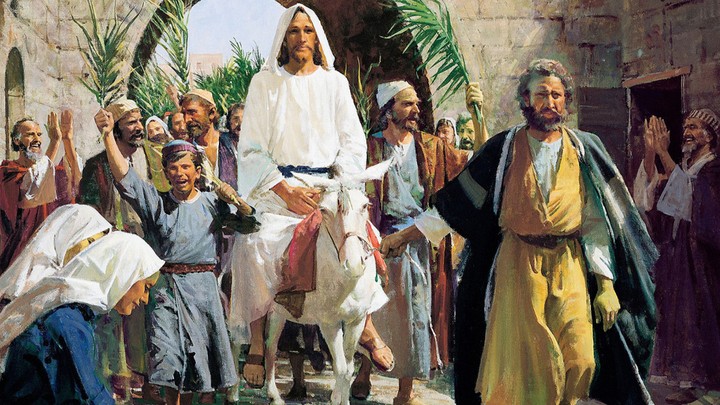
Palm Sunday, one of the most significant observances in the Christian calendar, is being marked today by millions of faithful across the globe as the gateway into the solemn and reflective season of Holy Week. Celebrated on the Sunday preceding Easter, the day holds deep spiritual meaning as it commemorates the triumphant entry of Jesus Christ into Jerusalem—a moment recorded in all four canonical Gospels.
According to biblical accounts, Jesus rode into Jerusalem on a donkey while crowds gathered to استقبال him with joy and reverence. They laid down cloaks and waved palm branches along his path, shouting praises such as “Hosanna!”—a word expressing both adoration and a plea for salvation. This symbolic act of honor is what gives Palm Sunday its name, and it continues to be re-enacted in churches worldwide through processions and the distribution of palm fronds to worshippers.
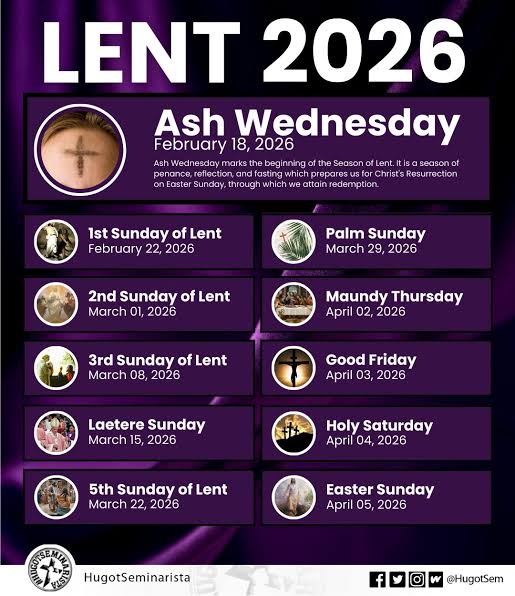
For Christians, Palm Sunday is more than just a historical remembrance; it marks the beginning of Holy Week, the most sacred period in Christianity. This week leads up to Easter Sunday and includes significant observances such as Maundy Thursday, which commemorates the Last Supper, and Good Friday, which reflects on the crucifixion and death of Jesus Christ. Together, these events form the foundation of Christian belief in sacrifice, redemption, and resurrection.
In Western Christianity, Palm Sunday also signals the final phase of Lent—a 40-day period of fasting, prayer, and penance. For Eastern Christian traditions, the day follows the conclusion of Great Lent and similarly ushers believers into a week of intense spiritual reflection. Regardless of denomination, the message remains consistent: humility, sacrifice, and the promise of hope.
Across Nigeria and many other parts of the world, churches are filled with worshippers holding palm leaves, singing hymns, and participating in reenactments of the biblical event. The atmosphere is often one of joy mixed with solemn anticipation, as believers prepare their hearts for the profound events that unfold during the rest of Holy Week.
Interestingly, Palm Sunday does not fall on a fixed date each year. Like Easter, it is a moveable feast determined by the lunar calendar. Specifically, Easter is celebrated on the first Sunday following the first full moon after the spring equinox. As a result, Palm Sunday—being exactly one week before Easter—also shifts annually. This explains why its date fluctuates, unlike fixed celebrations such as Christmas or New Year.
Beyond its religious importance, Palm Sunday also carries a universal message that resonates even outside Christian circles. It serves as a reminder of the values of humility and peace, embodied by Jesus’ choice to enter Jerusalem on a donkey rather than in royal splendor. It also reflects the often unpredictable nature of public support, as the same crowd that hailed him would later call for his crucifixion—a powerful lesson in human behavior and faith.
As Christians celebrate Palm Sunday 2026, many are using the occasion to reflect on their personal journeys, renew their faith, and extend prayers for peace, unity, and progress in their communities and nations. In a world often marked by uncertainty, the enduring message of Palm Sunday—hope in the face of trials—remains as relevant as ever.


Responses