Peter Obi Raises Alarm Over Tinubu’s Proposed ₦20 Trillion Loan for 2026 Budget

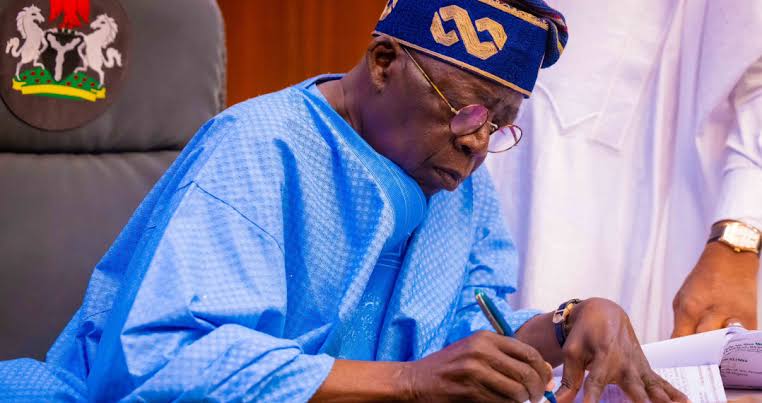
Former presidential candidate of the Labour Party, Mr Peter Obi, has strongly criticised the Federal Government’s reported plan to borrow about ₦20 trillion to finance the 2026 national budget, describing the move as fiscally reckless, poorly explained, and potentially dangerous for Nigeria’s long-term economic stability.
In a statement reacting to the proposal, Obi questioned both the timing and necessity of the new loan request, especially at a period when the country is still grappling with the implementation of earlier budgets. According to him, Nigeria is yet to fully complete the execution of the 2024 budget, while there is little public clarity on the status of the 2025 budget, raising serious concerns about transparency and fiscal discipline.
Obi expressed particular worry over the apparent absence of clear information regarding revenue generated in 2025. He noted that government officials had publicly announced as far back as August that revenue targets had been met or even exceeded. If that were truly the case, he asked, then Nigerians deserve to know where those revenues went and why fresh borrowing on such a massive scale is suddenly being proposed.
“Today, Nigerians woke up once again to troubling news that the Federal Government plans to borrow about ₦20 trillion to finance the 2026 budget,” Obi said. “This is coming at a time when debt servicing alone is projected to consume nearly half of our national revenue, and when our borrowing requirement has reportedly surged by over 72 percent.”
He warned that Nigeria’s rising debt profile is becoming unsustainable, particularly when loans are increasingly used to fund consumption rather than production. Obi argued that borrowing is not inherently wrong, but becomes dangerous when it is not tied to investments that grow the economy, expand productivity, or generate long-term revenue.
“At a time when Nigerians are facing unprecedented hardship, rising unemployment, insecurity, and declining purchasing power, it is only logical to ask: where is the revenue from 2025?” Obi stated. “How can we be planning trillions in new borrowing for 2026 when we are still implementing the 2024 budget?”
According to him, the situation suggests that the 2025 budget may not have been meaningfully implemented at all, raising further questions about fiscal planning and accountability. He described the situation as a pattern of “uncontrolled and unexplained borrowing” that risks mortgaging the future of younger generations.
Obi reiterated his long-standing position that Nigeria cannot borrow its way into prosperity, stressing that sustainable development comes from production, export growth, and value creation—not endless debt accumulation. He argued that nations grow by strengthening institutions, improving efficiency, supporting local industries, and ensuring prudent management of public funds.
“For years, I have consistently maintained that countries do not develop by consuming more than they produce,” he said. “They develop by producing, exporting, creating value, and ensuring transparency in governance.”
The former Anambra State governor also criticised what he described as contradictory messaging from government officials. According to him, it is misleading to tell Nigerians that revenues are increasing while simultaneously pushing borrowing to what he called “historic and ridiculous levels.”
“Governance must be built on transparency, not propaganda,” Obi said. “We cannot build a new Nigeria on misleading figures, rising debts, shrinking production, and continuous hardship.”
While some critics argue that borrowing is unavoidable given Nigeria’s low productivity and revenue challenges, Obi insists that the real issue is how borrowed funds are used and whether government policies are genuinely aimed at reducing dependence on debt over time.
His comments have sparked renewed debate among Nigerians, with supporters praising his insistence on fiscal responsibility and critics questioning whether borrowing can realistically be avoided in the short term. Regardless of differing opinions, Obi’s intervention has once again placed Nigeria’s debt trajectory at the centre of national discourse.
As Nigeria approaches another critical budget cycle, Obi’s warning serves as a reminder that economic decisions made today will shape the burden carried by future generations. Whether the government addresses these concerns transparently remains to be seen, but the conversation around debt, accountability, and sustainable growth is unlikely to fade anytime soon.
“We cannot continue this way,” Obi concluded. “A New Nigeria is Possible.”




Responses