Russia Blocks WhatsApp, Escalating Digital Sovereignty Drive

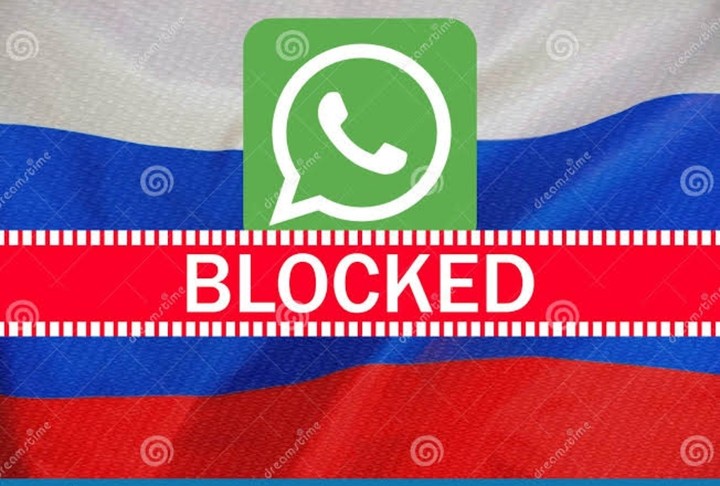
Millions of Russians lost access to WhatsApp on Wednesday after authorities effectively blocked the Meta-owned messaging platform, marking a dramatic escalation in the Kremlin’s long-running campaign to tighten control over the country’s digital space.
The restriction followed months of gradual disruptions aimed at steering users toward a state-backed alternative. Earlier in the day, Russia’s internet regulator, Roskomnadzor, removed WhatsApp from its official online services registry — a move that effectively erases the platform from Russia’s accessible internet infrastructure. The action makes the app largely unusable without technical workarounds such as virtual private networks (VPNs).
Until recently, WhatsApp had an estimated 100 million users in Russia, making it one of the country’s most widely used communication tools. The latest step appears more comprehensive than previous efforts, which included throttling the service and restricting features such as voice calls. Analysts say the move signals Moscow’s intention to enforce a long-term, if not permanent, ban.
In a statement, WhatsApp criticized the decision, saying the Russian government was attempting to push users toward a state-controlled messaging platform. “Today the Russian government has attempted to fully block WhatsApp in an effort to drive users to a state-owned surveillance app,” the company said. It added that restricting access to encrypted communication would reduce safety and privacy for Russian citizens.
The block extends beyond WhatsApp. Meta’s Facebook and Instagram, previously designated “extremist” organizations by Russian authorities, have also been removed from the registry, leaving them accessible only via VPN services. Access to YouTube has reportedly been degraded as well, though it remains unclear whether it has been fully removed from the registry.
The crackdown coincides with a broader push to promote a domestic messaging platform known as Max, which has been modeled in part on China’s WeChat. The app integrates messaging with government services but does not offer end-to-end encryption. Officially designated Russia’s “national messenger” last year, Max is owned by VKontakte (VK), the country’s largest social media network, which is closely aligned with the Kremlin.
Russian authorities have been tightening restrictions on foreign technology platforms since the onset of the war in Ukraine, citing national security concerns and the need to protect domestic information infrastructure. Over the past year, access to WhatsApp and Telegram had already been partially restricted, with reports indicating that performance was slowed by as much as 70 to 80 percent by late 2025.
Telegram, founded by Russian-born entrepreneur Pavel Durov, has also faced increased scrutiny. Durov criticized the new restrictions, stating that “restricting citizens’ freedom is never the right answer” and reaffirming Telegram’s commitment to privacy and free expression. However, efforts to curb Telegram have sparked domestic criticism, including from regional officials who rely on the app to communicate emergency alerts and wartime updates.
Russia’s latest move reflects a growing global trend in which governments seek greater digital sovereignty by limiting foreign platforms and promoting state-controlled alternatives. Similar efforts have been observed in countries such as China and Iran, where authorities have developed domestic networks designed to operate independently of Western technology firms.
While officials frame the measures as necessary for national security and data protection, critics argue that replacing foreign platforms with state-managed systems risks consolidating surveillance powers within government institutions.
The full impact of the WhatsApp block remains to be seen, but the decision underscores the deepening divide between Russia and Western technology companies — and signals a new phase in the country’s digital isolation.




Responses