Russia Fires Nuclear-Capable Oreshnik Missile at Ukraine, Raising Fresh Fears of Escalation

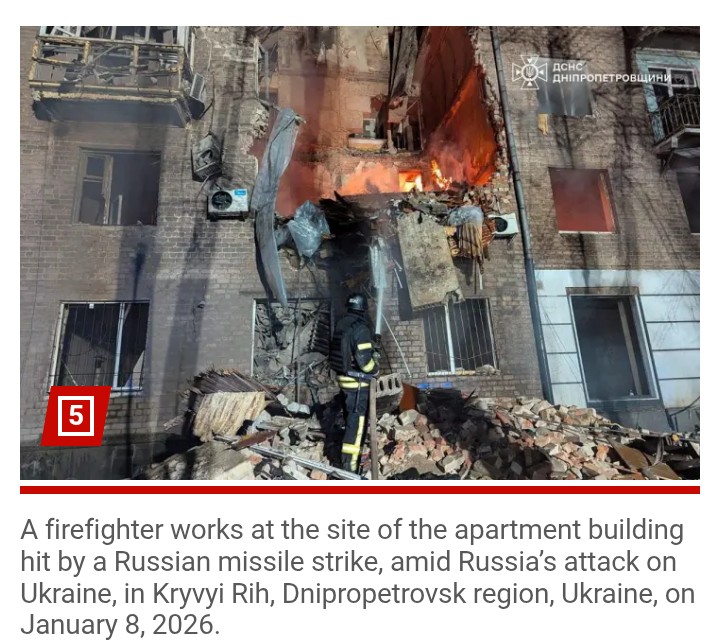
Tensions in Eastern Europe have once again intensified following reports that Russia fired a nuclear-capable Oreshnik missile against targets in Ukraine, reigniting global anxiety over the trajectory of the nearly three-year-old conflict. The launch, which comes amid growing diplomatic pressure and shifting geopolitical alliances, has drawn sharp reactions from governments, analysts, and ordinary observers who fear that the war may be entering a far more dangerous phase.
The Oreshnik missile, though reportedly deployed with a conventional warhead, is designed to be nuclear-capable, a fact that has significantly heightened concerns. Military analysts note that the symbolic value of using such a weapon is almost as alarming as its physical impact. Even without a nuclear payload, the launch sends a powerful signal about Moscow’s willingness to escalate and remind both Ukraine and its Western backers of Russia’s strategic capabilities.
For many observers, the strike shattered lingering assumptions that hostilities had slowed down or entered a prolonged stalemate. While there were expectations in late 2025 that both sides might reduce the intensity of long-range strikes, this development suggests that Russia is still prepared to deploy advanced weaponry to maintain pressure on Ukraine.
Public reaction to the news has been swift and deeply divided. Some commentators expressed shock and exhaustion, questioning how long the conflict can continue without spiraling into a broader catastrophe. Others interpreted the missile launch as an act of frustration by Moscow, arguing that prolonged resistance from Ukraine, combined with Western sanctions and military aid, has stretched Russian resources and morale.
A recurring sentiment among critics is that Russia appears to be “overusing” strategic weapons against a country many still describe as militarily smaller. They argue that deploying nuclear-capable systems in such a conflict raises uncomfortable questions about what Russia would rely on in a direct confrontation with a major power such as the United States or China. To these observers, the move signals not strength, but desperation.
On the other hand, some voices defended Russia’s actions, framing the missile launch as part of psychological warfare rather than an indication of imminent nuclear conflict. They argue that modern warfare is increasingly about signaling, deterrence, and perception, and that Russia is attempting to project resolve in the face of mounting international pressure and recent actions against its interests abroad.
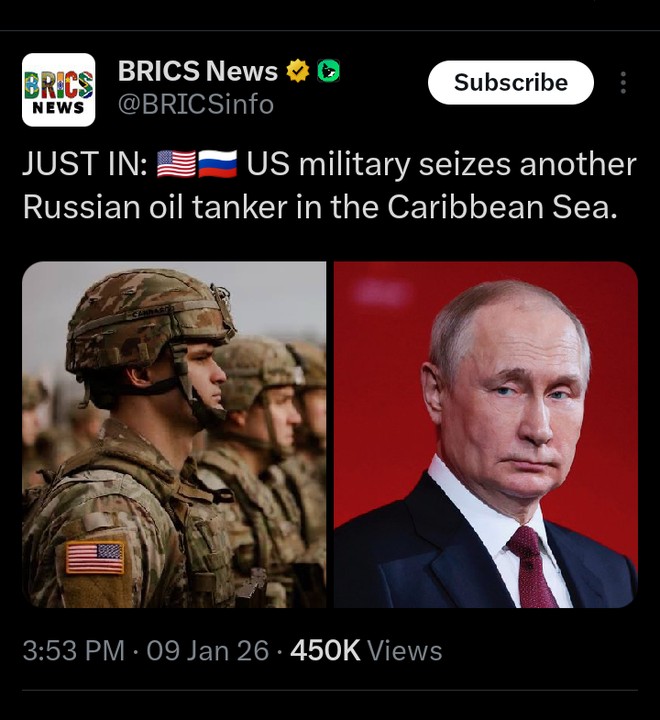
There were also sharp moral and political critiques. Several commentators accused global powers, particularly the United States and its allies, of hypocrisy, arguing that international law has been selectively enforced. References were made to past US actions, including asset seizures, regime-change operations, and military interventions, with critics warning that the erosion of global norms is now coming back to haunt the international system.
Some reactions went even further, openly speculating about leadership change in Moscow. A minority of commentators claimed that President Vladimir Putin has become a legitimate wartime target and that his removal could end the conflict. While such views are largely rhetorical and highly controversial, they reflect the depth of anger and polarization the war has generated globally.
Beyond the political arguments lies the human cost. Many voices simply expressed sympathy for Ukraine, noting the immense suffering endured by civilians after years of bombardment, displacement, and economic devastation. To them, the missile launch was another grim reminder that ordinary people continue to bear the brunt of decisions made far from the battlefield.
Security experts warn that repeated use of nuclear-capable delivery systems, even with conventional warheads, lowers the psychological barrier to further escalation. Each such strike increases the risk of miscalculation, misinterpretation, or retaliation that could draw more countries into the conflict. In a world already strained by economic uncertainty and geopolitical rivalry, the margin for error is dangerously thin.
As global leaders debate next steps, the launch of the Oreshnik missile underscores a sobering reality: the Russia–Ukraine war remains far from resolution. Instead, it continues to evolve in ways that challenge existing frameworks of deterrence, international law, and conflict management.
Whether this latest escalation will prompt renewed diplomatic efforts or provoke harsher responses from Ukraine and its allies remains uncertain. What is clear, however, is that each such development pushes the world closer to a crossroads where restraint, dialogue, or catastrophe could define the next chapter of modern history.




Responses