Shoprite Shuts Down Nigerian Operations After Two Decades, Leaving Mall Economy Reeling

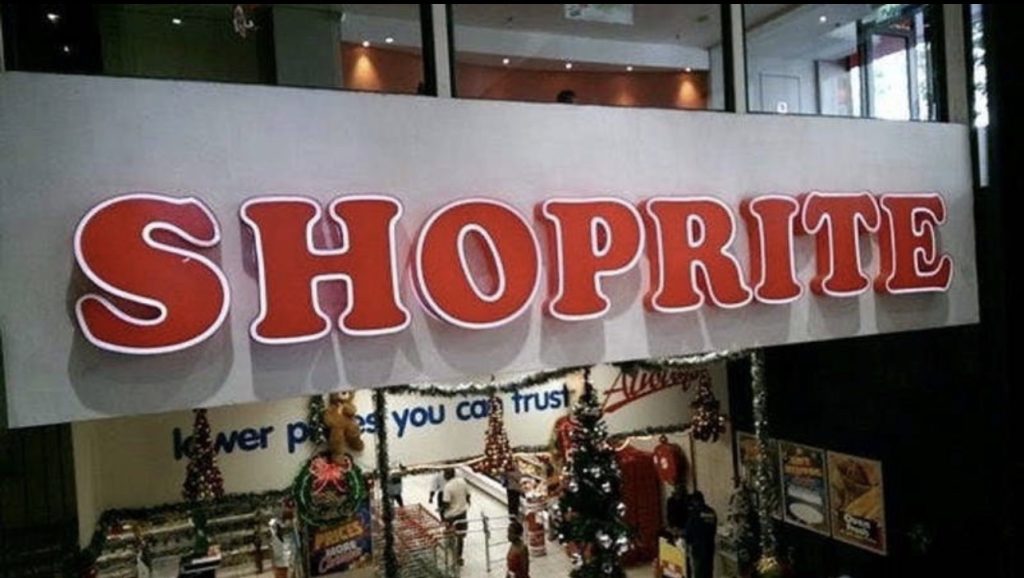
Nigeria’s retail and mall economy has suffered a significant setback following the final shutdown of Shoprite outlets across the country after almost two decades of operation.
Industry analysts estimate that Nigeria’s mall economy, valued at about ₦2.5 trillion, could lose as much as ₦1.4 trillion in economic activity following the closure of the popular supermarket chain. The shutdown has not only affected the retail giant itself but also hundreds of businesses that depended on the supermarket to attract customers to shopping malls.
For many Nigerians, the brand had become synonymous with modern grocery shopping and leisure retail experiences since it entered the country in 2005.
End of a Major Retail Era
Shoprite first launched operations in Nigeria in 2005 as part of its expansion strategy across Africa. Over time, the company grew rapidly, opening around 25 outlets across 13 states and becoming one of the most recognized supermarket chains in the country.
The brand played a major role in transforming the shopping culture of many urban Nigerians. Its outlets served as anchor stores in major malls, drawing large crowds that also patronized smaller businesses such as boutiques, restaurants, pharmacies, and cinemas located within the same complexes.
However, over the years, several economic challenges began to weigh heavily on the company’s Nigerian operations.
Mounting Economic Pressures
The retail sector has faced increasing pressure from a combination of factors, including foreign exchange shortages, rising import tariffs, inflation, and higher logistics costs.
The situation worsened following the economic disruptions caused by the COVID-19 pandemic, which led to border closures and supply chain disruptions that affected many retail businesses in Nigeria.
In 2021, the South African parent company Shoprite Holdings decided to exit direct ownership of its Nigerian operations. The business was sold to Ketron Investment Limited, a consortium led by Persianas Investment Limited, owners of several major shopping malls in Nigeria.
After the acquisition, the business continued to operate under a franchise arrangement managed by Retail Supermarkets Nigeria Limited (RSNL).
At the time, many Nigerians believed the change in ownership would stabilize the business and allow the brand to continue growing under local management.
Gradual Decline
Despite initial optimism, signs of trouble began emerging in 2024 when shoppers started noticing empty shelves in some stores. Basic items such as tissue paper and food staples gradually became scarce.
By late 2025, several outlets in major cities, including Lagos, began shutting down completely.
Visits to former Shoprite locations now reveal largely deserted premises where busy supermarkets once served as the main attraction in many malls.
Impact on Businesses and Workers
The closure has had a ripple effect across Nigeria’s retail ecosystem.
Shoprite served as a major bulk buyer for food products, beverages, household items, and locally manufactured goods. With its disappearance, suppliers and distributors have lost a major customer.
Smaller businesses operating within malls are also experiencing sharp declines in patronage because the supermarket previously served as the main source of foot traffic.
Some shop owners say their weekly sales have dropped drastically since the closure.
One retailer inside a Lagos mall explained that customers who previously visited the mall for groceries would often shop in other stores afterward. With the supermarket gone, many of those visitors no longer come to the mall.
Workers Forced to Find Alternatives
The shutdown has also left many employees searching for new livelihoods.
In Akure, Ondo State, former Shoprite staff members described the closure as devastating. Some workers said they had to quickly switch to other small businesses such as POS operations just to survive.
For many employees who had worked at the supermarket for years, the sudden loss of income has created significant financial uncertainty.
A “Business Reset,” Not an Exit
Despite the widespread closures, RSNL insists that the company is not completely leaving Nigeria.
According to its Chief Strategy Officer, Bunmi Cynthia Adeleye, the company is undergoing a “comprehensive business model reset” aimed at adapting to the country’s difficult economic conditions.
However, there is still uncertainty about whether the brand will reopen outlets in the future or return on the same scale as before.
Until a clear plan emerges, the disappearance of one of Nigeria’s most recognizable retail brands continues to weigh heavily on the country’s mall economy and the many businesses that once thrived around it.




Responses