Super Eagles’ World Cup Dreams Fading After Draw with South Africa


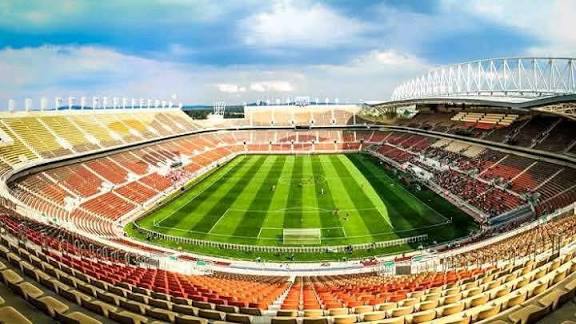
Nigeria’s quest to secure a spot at next summer’s FIFA World Cup in North America suffered another major blow on Tuesday night as the Super Eagles were held to a 1-1 draw against South Africa in a crucial qualifier. The match, played at the Free State Stadium in Bloemfontein, left the three-time African champions with their chances hanging by a thread.
Going into the fixture, Nigeria knew only a win would keep their hopes alive. The team had endured a shaky run in Group C and desperately needed all three points to close the gap on leaders South Africa. Instead, they came away with just one point, leaving them six points adrift of their rivals with only two matches left to play. For a team that has featured at six previous World Cup tournaments, the result was a bitter setback.
The encounter began with an unexpected setback for the Eagles. Within the first eight minutes, Nottingham Forest full-back Ola Aina picked up an injury and had to be replaced by Bright Osayi-Samuel. The early change unsettled the Nigerian defense, and it did not take long before the Bafana Bafana capitalized. In the 25th minute, captain William Troost-Ekong, who had just been recalled into the starting lineup after missing the previous match against Rwanda, unfortunately put the ball into his own net, gifting South Africa the opening goal.
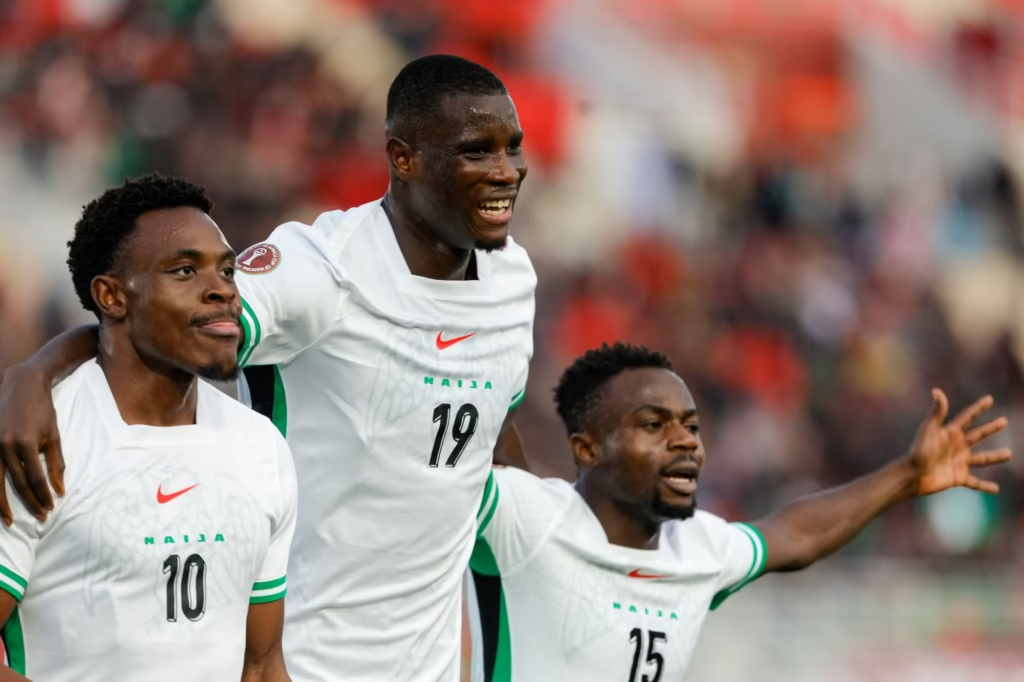
Despite the disappointment, the Eagles managed to settle into the game. They enjoyed more possession and began to push forward, searching for an equalizer. Their persistence paid off just before half-time. In the 44th minute, a cross from Fisayo Dele-Bashiru was met by Fulham defender Calvin Bassey. Though the ball awkwardly bounced off his arm, it ended up in the net, bringing Nigeria level. The goal may have been fortunate, but it gave the Eagles a much-needed lifeline as they went into the break.
The second half saw Nigeria make tactical changes in search of a winner. Head coach Eric Chelle introduced Tolu Arokodare and Bruno Onyemaechi for Troost-Ekong and the ineffective Cyriel Dessers. The team began to dominate possession more confidently, but their play lacked the cutting edge required to unlock the disciplined South African defense.
As the minutes ticked by, Chelle turned to Chrisantus Uche and Samuel Chukwueze to add attacking spark. However, the changes did little to change the tempo of the match. Nigeria moved the ball around but failed to create clear chances that could test the opposition goalkeeper. Their frustration was compounded when midfield stalwart Wilfred Ndidi limped off with a knock, further weakening the team’s rhythm.
South Africa, on the other hand, looked content to sit back and absorb pressure, relying on their defensive organization to frustrate Nigeria. Their approach worked, and at the end of 90 minutes, both sides were forced to settle for a point apiece. The outcome mirrored the result of the reverse fixture in Uyo earlier in the qualifiers, which had also ended in a draw.
The result leaves South Africa firmly in control of Group C with 17 points from eight games. Nigeria, meanwhile, are stuck on 11 points from the same number of matches. With only two rounds of fixtures remaining, the Eagles face a daunting task. To stand any chance of qualification, they must win both of their remaining matches against Lesotho and Benin Republic. Even then, they would still have to rely on South Africa or other group contenders dropping points to sneak into the top two.
For Nigerian fans, the draw is particularly painful because of the weight of expectations. The World Cup is not just another tournament for the country; it represents pride, national unity, and global recognition. Missing out on qualification would not only be a sporting failure but also a psychological blow for millions of supporters who live for the excitement of seeing the Eagles compete on football’s biggest stage.
The performance also raised questions about the team’s ability to deliver under pressure. While the Eagles have talented individuals playing across Europe, their cohesion as a unit remains in doubt. The lack of creativity in midfield, the absence of clinical finishing upfront, and defensive lapses at crucial moments have all contributed to their struggles in this qualification campaign.
Observers point to a worrying trend of Nigeria failing to capitalize on opportunities in crucial matches. Against South Africa, the Eagles saw more of the ball in the second half but lacked the sharpness to make it count. In tournaments past, Nigeria has relied on individual brilliance from star players to carry them through tight games, but that spark has been missing in recent months.
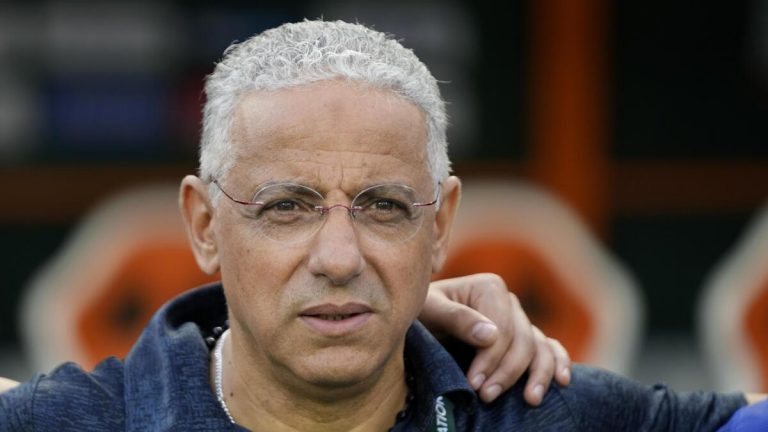
For head coach Eric Chelle, the pressure is mounting. Critics argue that his tactical approach has been too conservative, failing to maximize the attacking potential of a squad brimming with European-based stars. While he cannot be blamed for injuries to key players like Aina and Ndidi, his substitutions and game management have come under scrutiny.
Despite the gloom, some fans still hold on to a glimmer of hope. Football, after all, is full of surprises, and there remains a mathematical chance for Nigeria to qualify. If the Eagles can summon their best form in the final two games and if results elsewhere go in their favor, the dream of a seventh World Cup appearance could still be alive. But the margin for error is now almost non-existent.
As things stand, however, the reality is stark. South Africa sit comfortably at the top of Group C, while Nigeria are left chasing shadows. Unless a dramatic turnaround occurs in the coming weeks, the Super Eagles risk missing out on the World Cup for the second time in three editions, a scenario that would spark serious questions about the state of football administration and planning in the country.
For now, Nigerian supporters must endure the uncertainty and hope that the team can rediscover the fight and flair that once made them one of Africa’s most feared sides. The road to North America 2026 looks steeper than ever, and the Eagles must now prove whether they still have the wings to soar.



Responses