Tinubu Secures Petrobras’ Return and Signs Key Agreements with Brazil


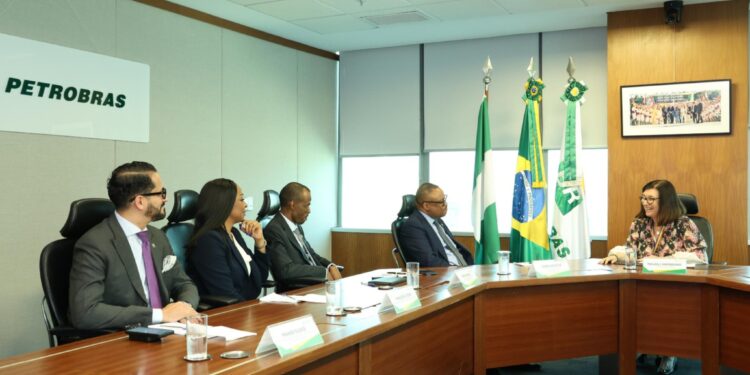
President Bola Tinubu’s recent state visit to Brazil has marked a new chapter in Nigeria’s economic diplomacy, with one of the most significant outcomes being the imminent return of Petrobras, Brazil’s state-owned oil giant, to Nigeria’s oil and gas sector. After a five-year absence, Petrobras is set to re-enter the Nigerian energy market, a move that is expected to boost investment, create jobs, and deepen bilateral cooperation between the two countries.
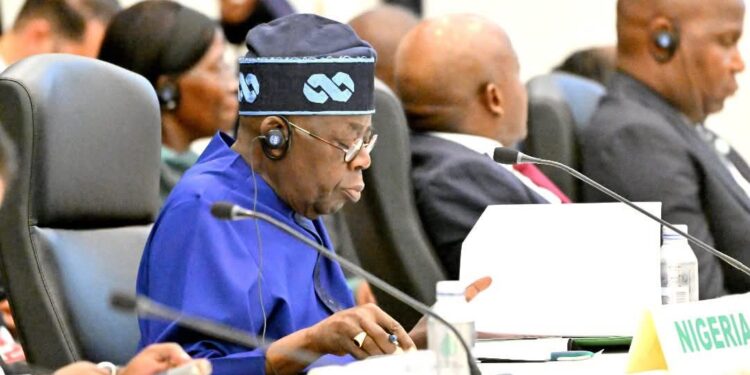
Speaking during a joint press conference in Brasília, President Tinubu expressed his enthusiasm about Petrobras’s renewed interest in Nigeria. He described the company’s comeback as a major milestone that could reignite economic collaboration between both countries, particularly in the oil and gas sector where Nigeria holds a strong comparative advantage.
“We have the largest gas repository, so I don’t see why Petrobras shouldn’t be a partner in Nigeria as soon as possible,” Tinubu said. His remarks were captured in a statement issued by his Special Adviser on Information and Strategy, Bayo Onanuga. Tinubu also appreciated the commitment of Brazilian President Luiz Inácio Lula da Silva to making the Petrobras deal a reality in the near future.
But the return of Petrobras was just one of several important developments during Tinubu’s state visit. Nigeria and Brazil signed five Memoranda of Understanding aimed at strengthening bilateral cooperation in various sectors including trade, finance, science and technology, aviation, and diplomacy. These agreements underscore a renewed partnership between the two countries and reflect a shared vision for sustainable economic growth.
President Tinubu praised President Lula for his willingness to revitalize the historic ties between Nigeria and Brazil. He noted that Nigeria remains a vast land of untapped opportunities and invited Brazilian companies to take advantage of the economic reforms currently underway in Nigeria.
Speaking directly to investors, President Tinubu provided reassurance that the economic policies he has introduced since taking office are beginning to bear fruit. While he acknowledged that some of the early decisions were difficult and even painful for citizens, he emphasized that the results are becoming visible.
“It was initially painful, but today the results are blossoming. We have more money for the economy, and corruption is being rooted out. You no longer need to know the Central Bank governor personally to access foreign exchange. Speculators have been chased out of the market. We are opening doors for businesses,” he said confidently.
For his part, President Lula welcomed the rekindling of the relationship between Brazil and Nigeria. He emphasized the importance of free trade and cooperation in a world where protectionism and isolationism are once again gaining ground. Lula’s comments struck a hopeful and forward-looking tone, as he described Brazil and Nigeria as natural partners with shared cultural and economic interests.
“There are many possibilities for synergy between the world’s two largest countries with Black populations. Agriculture, oil and gas, fertilizers, aircraft, machinery—these are just some of the sectors where we can work together,” Lula said.
He also made a significant announcement regarding improved connectivity between the two nations. Lula confirmed that Nigeria’s largest airline, Air Peace, will soon begin operating a direct flight route between Lagos and São Paulo. This new route is expected to make business travel and tourism more accessible and frequent, helping to foster closer people-to-people ties and faster business transactions.
The high-level discussions concluded with a two-hour expanded bilateral meeting held at the Palácio do Planalto, the official workplace of the Brazilian president. The meeting culminated in the signing of several key agreements, which observers believe could mark the start of a new era in Nigeria-Brazil relations.
To fully understand the significance of Petrobras’s return, it’s important to revisit the company’s history in Nigeria. Petrobras first began operations in the country in 1998, focusing largely on deep-water oil exploration in the Niger Delta region. However, by 2017, the company was facing mounting financial difficulties, including a debt burden that had ballooned to around 100 billion dollars. In an effort to stay afloat, Petrobras decided to divest up to 21 billion dollars in assets, including its Nigerian oil fields.
At the time, the company prioritized its domestic projects and sold off a number of its international assets. In 2018, Petrobras agreed to sell 2.9 billion dollars worth of assets to Equinor AXA, a Norwegian energy company. These moves effectively marked the end of Petrobras’s presence in Nigeria for more than a decade.
However, by early 2025, things had started to change. In February of this year, Petrobras announced that it was in talks with several global energy giants, including ExxonMobil, Shell, and TotalEnergies, to potentially acquire stakes in their African oil assets. This development signaled a strategic shift in Petrobras’s long-term plans and hinted at its renewed interest in Africa’s growing energy markets.
President Tinubu’s visit appears to have accelerated that process. His ability to secure commitments from the Brazilian leadership and renew Nigeria’s partnership with one of the world’s largest oil companies reflects both his diplomatic strategy and Nigeria’s growing appeal as an investment destination.
For Nigeria, the return of Petrobras and the signing of bilateral agreements with Brazil could have far-reaching effects. Beyond oil and gas, the agreements are expected to open doors in sectors such as aviation, manufacturing, and technology. For a country like Nigeria that is working to diversify its economy and reduce its reliance on oil exports, this partnership offers a much-needed boost.
As the world watches how this renewed relationship develops, one thing is clear. Nigeria is positioning itself as a serious player on the global economic stage, and the return of Petrobras might just be the start of bigger things to come.


Responses