Trump eyes huge fee for foreign worker visas

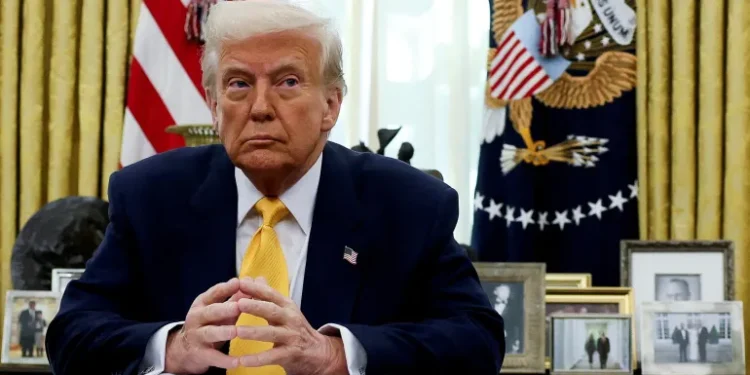
The United States is once again in the spotlight over immigration, and this time the focus is on the H-1B visa program, a pathway that has for years given thousands of foreign professionals the chance to work in America. President Donald Trump is considering a dramatic policy shift that would require companies to pay one hundred thousand dollars for each H-1B visa application. This fee, if introduced, would completely alter the dynamics of the U.S. labor market and shake up the global technology industry that has long depended on skilled workers from abroad.
The White House confirmed the plan on Friday as part of its broader immigration crackdown. It is the latest move in an agenda that places protection of American jobs at the center of economic policy. For many, the announcement came as a shock because the H-1B visa has been one of the most important tools for companies needing high-level expertise in fields like technology, engineering, education, and healthcare. For decades, the program has served as a bridge connecting the U.S. with some of the brightest minds from India, China, Nigeria, and other countries. Government data shows that India alone accounted for more than seventy percent of approved H-1B visas in 2024, making the program critical for its tech sector.
Currently, applicants pay just over two hundred dollars to enter the annual H-1B lottery, with additional fees running into a few thousand dollars depending on legal services and case specifics. A jump to one hundred thousand dollars per application is more than a fee hike; it is a seismic change that would make it nearly impossible for smaller firms to sponsor foreign workers. Even large companies like Amazon, Microsoft, Meta, and Cognizant, which rely heavily on the program to address skill shortages, would be forced to rethink how they operate. Data from the first half of 2025 shows Amazon alone secured more than ten thousand H-1B approvals, while Microsoft and Meta each received over five thousand. If the new cost is introduced, companies might look for alternatives outside the U.S., shifting jobs to countries with friendlier visa policies.
The financial markets reacted quickly to the news. Shares of Cognizant Technology Solutions, which employs a significant number of H-1B workers, dropped more than two percent. U.S.-listed shares of Indian IT giants Infosys and Wipro also slid by similar margins. Analysts say this is just an early warning sign of how disruptive the proposal could be, not only for corporate America but also for the global economy.
Supporters of the H-1B program have not been silent. Figures like Tesla CEO Elon Musk have openly argued that limiting skilled immigration will harm innovation and slow down progress in areas where the U.S. needs to stay competitive. Musk has stressed that America’s strength has always come from attracting talent from around the world. On the other hand, critics of the program, including some U.S. tech workers and labor unions, insist that it has been abused. They claim that companies have sometimes used it to suppress wages and replace American workers with cheaper foreign labor. The debate has become one of the defining issues in balancing protectionist policies with the realities of a globalized workforce.
Beyond the corporate boardrooms of Silicon Valley, the ripple effect of this proposal would be felt most strongly in countries like India, which has built a two hundred and fifty billion dollar IT services industry that sends tens of thousands of workers to the U.S. every year. China also stands to lose a significant share of opportunities. For Nigerians and other African professionals who dream of breaking into the U.S. tech ecosystem, this could mean higher entry barriers, reduced mobility, and fewer opportunities. Many may begin to look toward other destinations such as Canada, the United Kingdom, or parts of Asia, where visa systems are more welcoming.
The proposed fee also comes against the backdrop of other immigration changes this year. In January, the Department of Homeland Security tightened the definition of specialty occupations, making it harder for applicants to qualify. By February, rejection rates had already pushed many Nigerians and other foreign professionals to explore alternative visa categories such as L-1, O, and P. In August, the Nigerian Immigration Service even issued a reminder urging citizens to comply strictly with U.S. visa regulations to avoid disappointment.
There have also been positive developments in 2025. One significant change now allows foreign startup founders and business owners to self-sponsor their H-1B visas. Previously, applicants had to rely on a U.S. employer to petition on their behalf, often through complicated third-party arrangements. The reform was welcomed by entrepreneurs worldwide as a chance to build businesses in the U.S. without being tied to a specific company. Still, if the one hundred thousand dollar fee becomes a requirement, even this opportunity could lose its shine.
The U.S. Mission in Nigeria has also spoken on visa concerns, reminding applicants that fees remain non-refundable and non-transferable. Officials emphasized the importance of careful preparation and the use of official channels to avoid costly mistakes. They reassured Nigerians that every application receives fair consideration, but the reality is that rising costs and tighter rules will make the process harder for many.
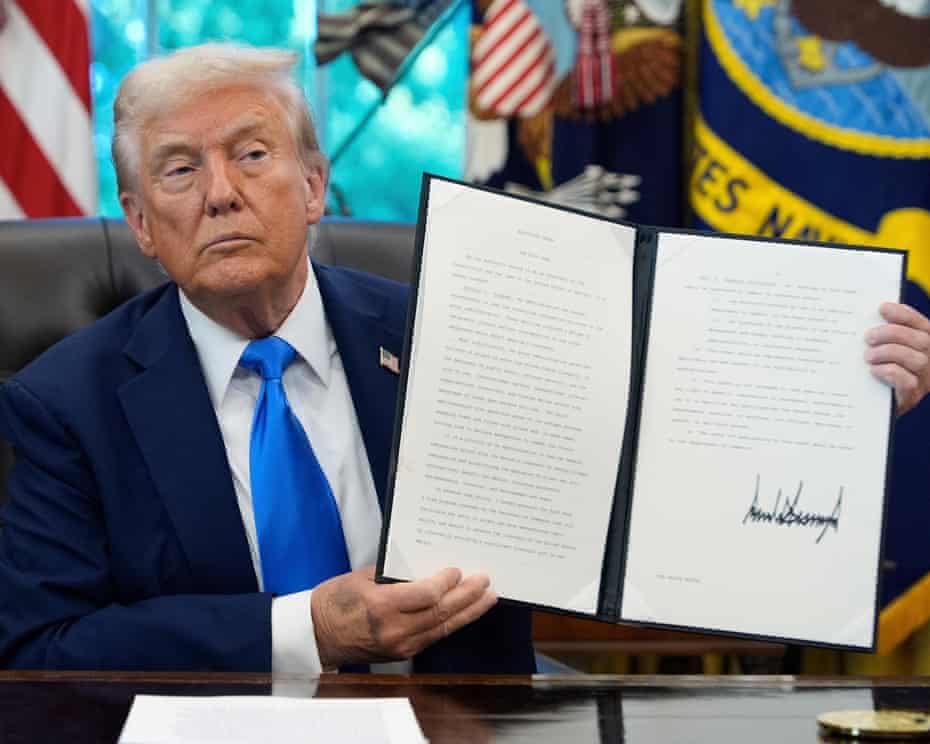
If Trump signs the measure, it would mark one of the most aggressive overhauls of the H-1B system in decades. It would add to the tension between Washington’s protectionist stance and the tech industry’s demand for openness and access to talent. It could also spark a wider shift in the global flow of skilled labor, as companies and professionals redirect their energy toward more welcoming destinations. For America, the choice is whether protecting domestic workers should come at the cost of its long-standing role as a hub for innovation and global talent. For professionals across the world, it could mean rethinking dreams of building careers in the United States.





Responses