Trump intensifies immigration crackdown

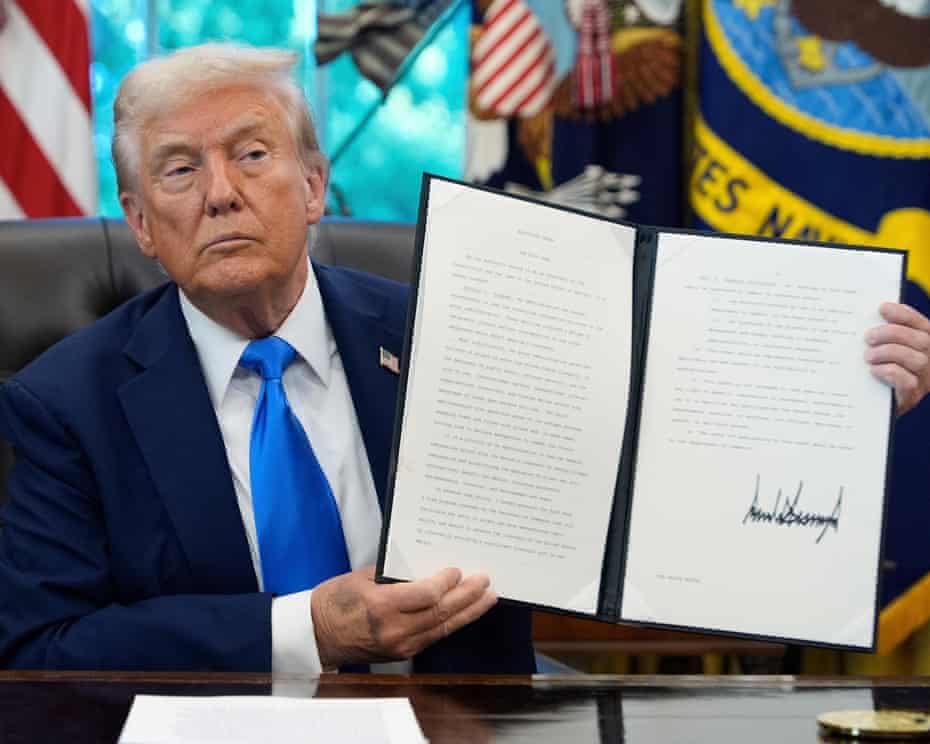
The United States is once again in the spotlight as President Donald Trump pushes forward with new measures that are shaking up both the political and economic landscape. His administration has announced plans to introduce a massive $100,000 application fee for the H-1B visa, a program that allows skilled foreign workers to live and work in the country. The move has already sparked widespread debate, not just in America but also across the world, as businesses, workers, and governments consider the implications. At the same time, Trump continues to face questions about his broader political agenda, including concerns over the independence of the justice system and accusations of using federal institutions for political gain.
The H-1B visa program has long been a key pathway for talented professionals in technology, engineering, healthcare, and education to contribute to the American economy. Every year, companies like Amazon, Microsoft, and Meta rely on thousands of foreign workers to fill critical roles that cannot easily be met by the local labor force. India and China account for the bulk of beneficiaries, with India alone representing more than seventy percent of approvals in 2024. For many Nigerian professionals and other skilled workers across the world, the H-1B visa has been seen as a golden ticket to opportunities in the United States. But under Trump’s proposal, the cost of pursuing that dream could become almost impossible for many.
Currently, the fee to enter the H-1B lottery is just over two hundred dollars, with additional legal and administrative costs running into a few thousand depending on the case. Trump’s new plan would hike the entry cost to one hundred thousand dollars, to be paid by companies on behalf of applicants before they are allowed entry. Supporters of the measure argue that it is designed to protect American workers from being displaced and to ensure that only the most serious employers make use of the program. Critics, however, see it as an attempt to choke off immigration and restrict global talent from competing in the American labor market.
The announcement has already sent shockwaves through the stock market. Cognizant Technology Solutions, a company heavily reliant on H-1B workers, saw its shares fall more than two percent. Indian IT giants Infosys and Wipro, which are listed in the United States, also recorded similar losses. Analysts believe that if the proposal is signed into law, companies may be forced to relocate more jobs offshore or expand their presence in countries with friendlier visa policies such as Canada, the United Kingdom, and parts of Europe. For Nigeria and other emerging economies, this could mean fewer pathways for talent mobility to the United States and potentially more opportunities in alternative global hubs.
Prominent business leaders have criticized the move. Elon Musk has been vocal about his belief that America needs more skilled immigration, not less. In his view, limiting the flow of global talent will weaken innovation and hurt competitiveness. On the other hand, labor unions and some American workers have welcomed the proposal, arguing that the H-1B program has been misused to suppress wages and sideline domestic professionals. This sharp divide reflects the ongoing tension between America’s protectionist policies and the global economy’s demand for openness and flexibility.
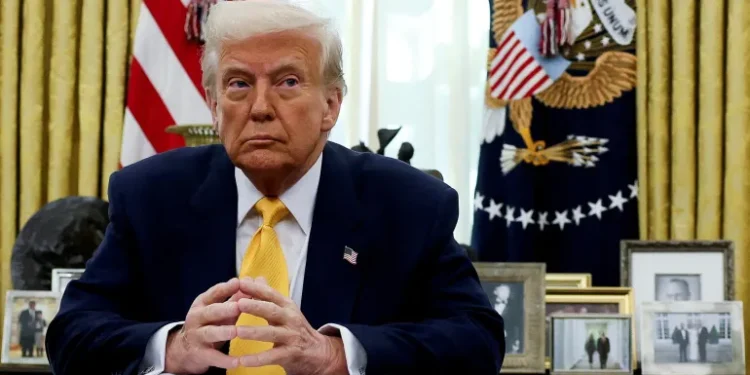
Beyond immigration, the Trump administration has also been facing renewed scrutiny over its handling of political institutions. Reports have emerged about pressure being placed on federal prosecutors and questions raised about whether the justice system is being influenced for political purposes. Critics argue that the administration has blurred the lines between governance and partisanship, while supporters insist that Trump is simply pursuing policies that reflect his commitment to protecting American interests. The situation has left Washington in a state of constant tension, with legal challenges and public debates dominating headlines almost daily.
Trump’s policies are being closely watched not just in the United States but also across the world because of the ripple effects they create. For instance, Nigeria’s technology sector has in recent years encouraged young professionals to pursue careers abroad, especially in the United States where demand for IT and engineering skills remains high. With the new proposed visa costs, many Nigerians may be discouraged from applying, leading them to consider alternatives in Europe or Canada. Some industry experts say this could accelerate the trend of global talent shifting away from the U.S., which might gradually lose its position as the top destination for skilled migrants.
In the first half of 2025 alone, Amazon received over ten thousand H-1B approvals, while Microsoft and Meta each secured more than five thousand. These numbers show just how central the program is to the operations of major tech firms. If the proposed fee is implemented, companies may not only reduce the number of applications but also rethink their hiring strategies entirely. Offshore hubs in India, Singapore, and even parts of Africa could see increased investment as firms seek to balance costs with access to talent.
Meanwhile, American politics continues to heat up as Trump positions himself for the upcoming election season. His campaign has leaned heavily on themes of economic protection, border control, and a renewed focus on American workers. The immigration crackdown fits squarely into that narrative and appeals to his base, but it risks alienating business leaders and global partners. The battle lines are being drawn between those who see Trump’s approach as necessary for preserving American jobs and those who warn it could isolate the United States from the rest of the world.
For now, the proposal has not yet been fully signed into law, but it is clear that the administration is serious about reshaping the H-1B system. Combined with earlier changes to the definition of specialty occupations and tighter verification rules, it represents one of the most significant overhauls of the program in decades. As the debate continues, skilled workers around the world, from India to Nigeria, are anxiously waiting to see whether the United States will remain open to their contributions or become a far more difficult country to access.
The coming months will be crucial. If the measure is approved, it could redefine the flow of global talent, shift the balance of power in the technology industry, and further solidify Trump’s reputation as a president unafraid to disrupt established systems. What is certain is that the United States is entering another chapter of contentious politics, where decisions made in Washington ripple out to affect the lives and careers of millions across the globe.




Responses